Products
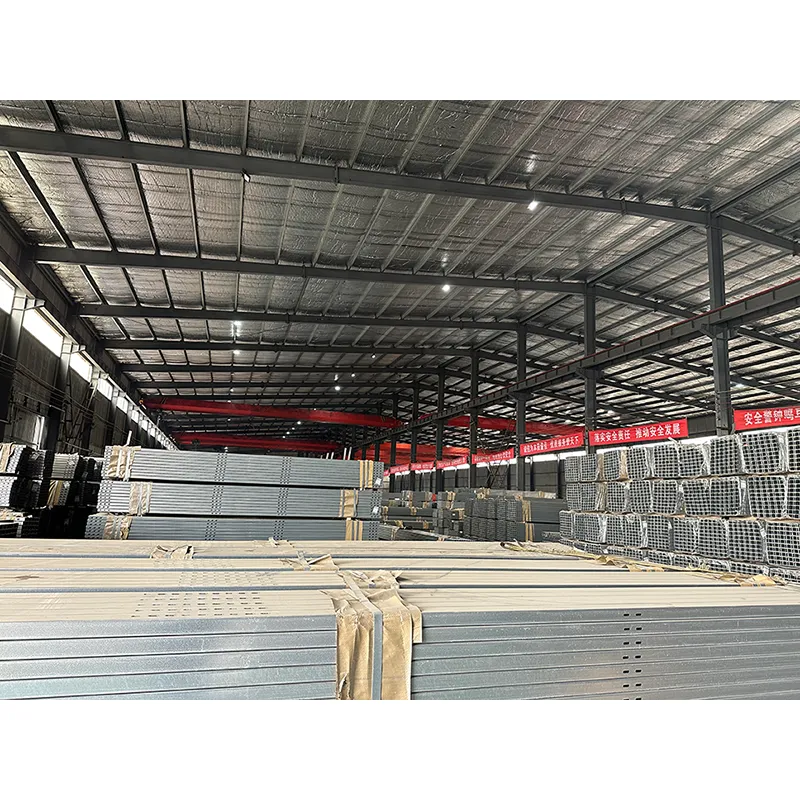
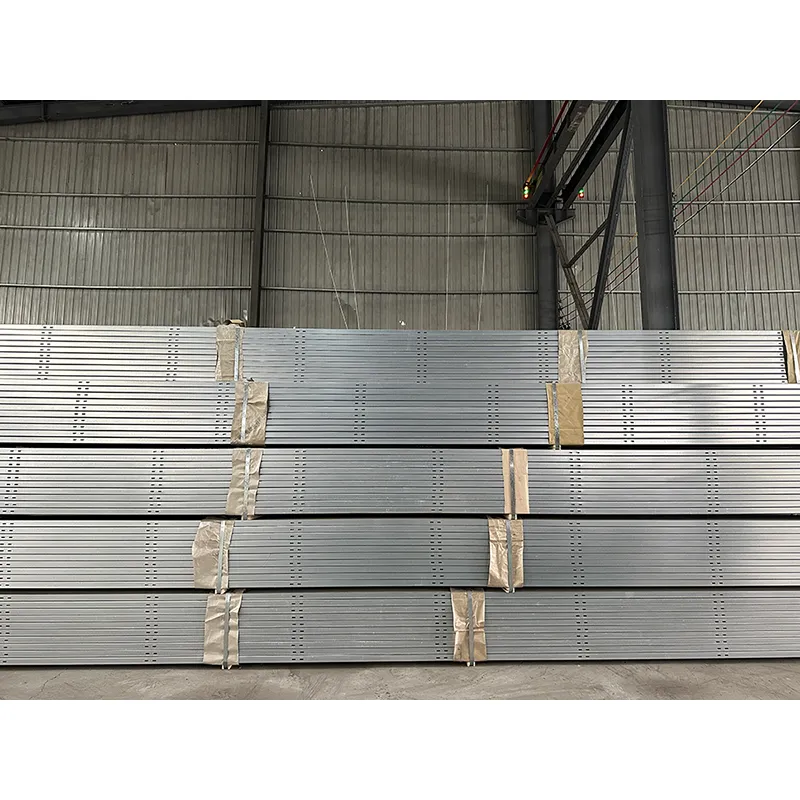
Self-healing ZAM Steel Pipe
Self-healing ZAM steel pipe with a Zn-Al-Mg coating that keeps protecting steel at cuts, drill holes and scratches — no touch-up needed on site. Rated for C3–C5 environments, ISO 9001 and EN 1090-1 certified, produced to drawing in 7–35 days. Send six details and we quote.
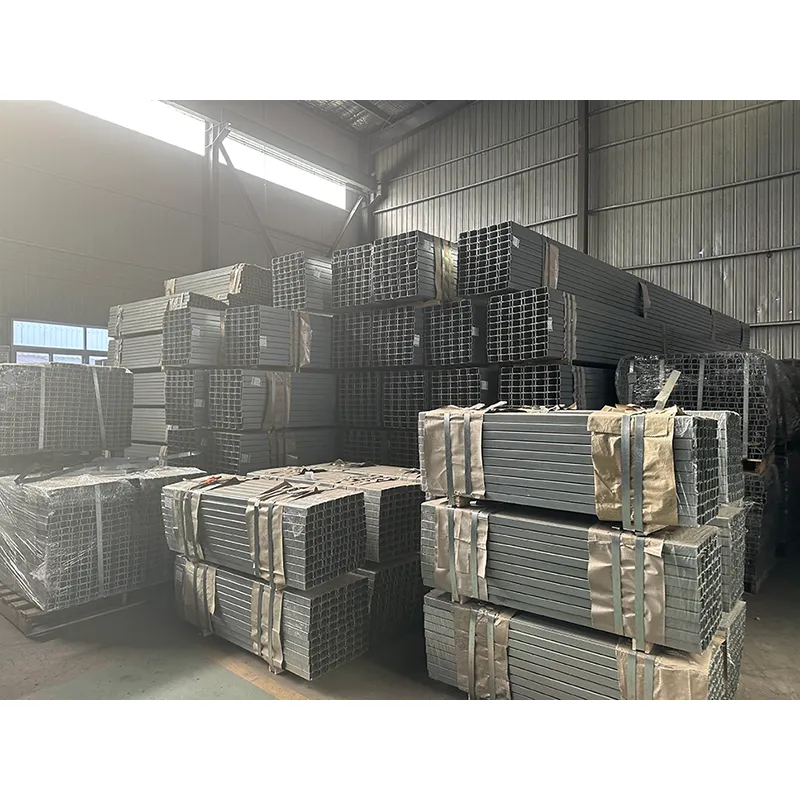
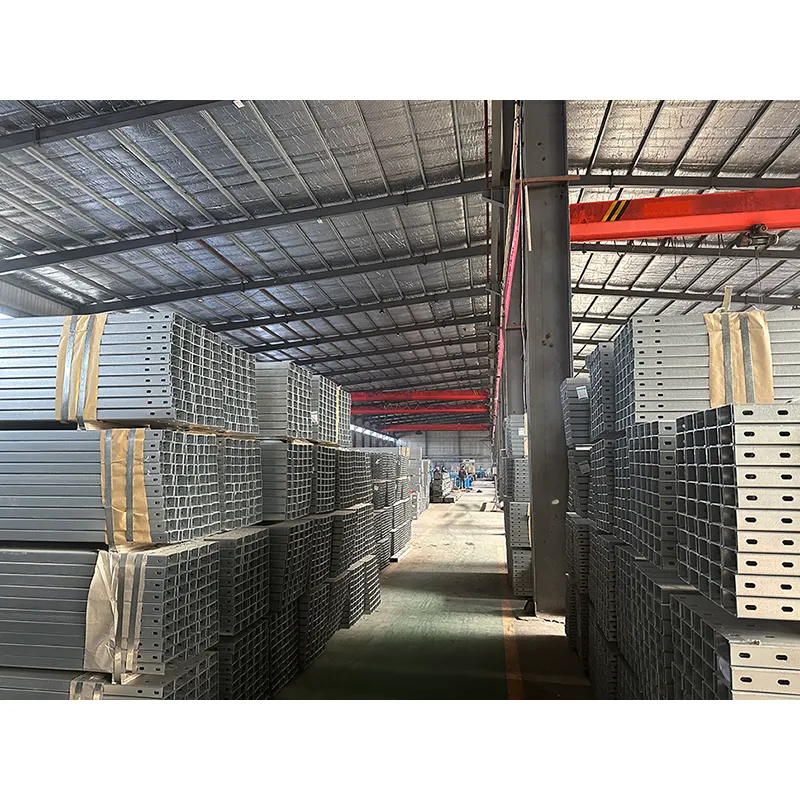
Self-healing ZAM Steel Pipe is a structural steel tube with a zinc-aluminum-magnesium coating that keeps protecting the steel after the surface is damaged. On a normal galvanized pipe, a cut end or a drill hole is where rust starts and spreads. On this pipe, the coating reacts with air and moisture at the damage and builds a dense protective layer over it.
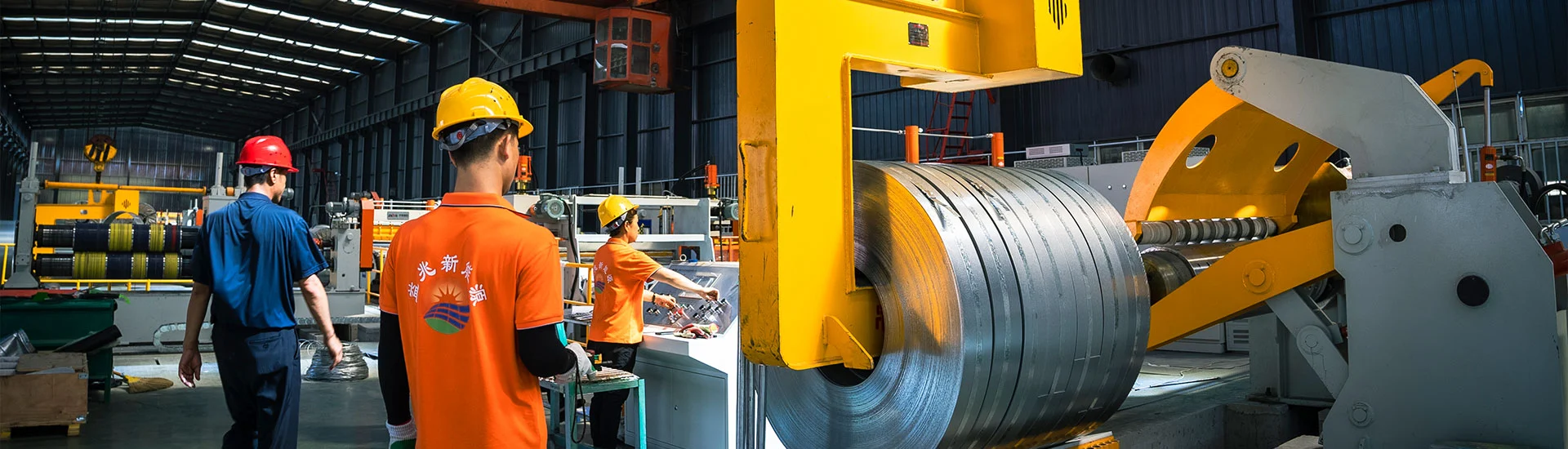
The base steel comes from Xintian Steel, is roll-formed and high-frequency welded to a uniform wall thickness, then coated on a continuous Zn-Al-Mg line. Pipes arrive straight, burr-free and dimensionally consistent, so the crew spends time installing instead of re-cutting.
3–5×longer to red rust than HDG
(ISO 9227 salt spray)
(ISO 9227 salt spray)
C3–C5ISO 12944 corrosion
class coverage
class coverage
20–219 mmouter diameter
1.2–6.0 mm wall
1.2–6.0 mm wall
60–275 g/m²Zn-Al-Mg coating
weight, both sides
weight, both sides
Specifications
Base steelQ235B, Q355B, S235JR, S355JR, SS400
CoatingZn-6%Al-3%Mg, 60–275 g/m² both sides
Outer diameter20–219 mm
Wall thickness1.2–6.0 mm, tolerance ±10%
Length3–12 m, fixed length or random
Section shapeRound, square, rectangular
WeldingHigh-frequency welded, eddy current testing optional
End finishPlain cut, beveled, punched, threaded
StandardsEN 10346, EN 10219, GB/T 6728
Surface treatmentChromate passivation, oiled, anti-fingerprint
Why the Coating Stops Corrosion at the Damage
A galvanized coating protects steel by sacrificing zinc. The Zn-Al-Mg coating does the same, but magnesium changes what forms at the damaged area. Magnesium dissolves first and raises the local pH; the dissolved zinc and aluminum then precipitate as dense, low-solubility compounds that seal the exposed steel instead of letting it rust.
The practical result: a scratch that becomes an expanding rust spot on galvanized pipe stays stable here. Cut ends, drill holes and bolt contact faces — the three places that fail first on outdoor steel structures — hold through the design life without a repair coat.
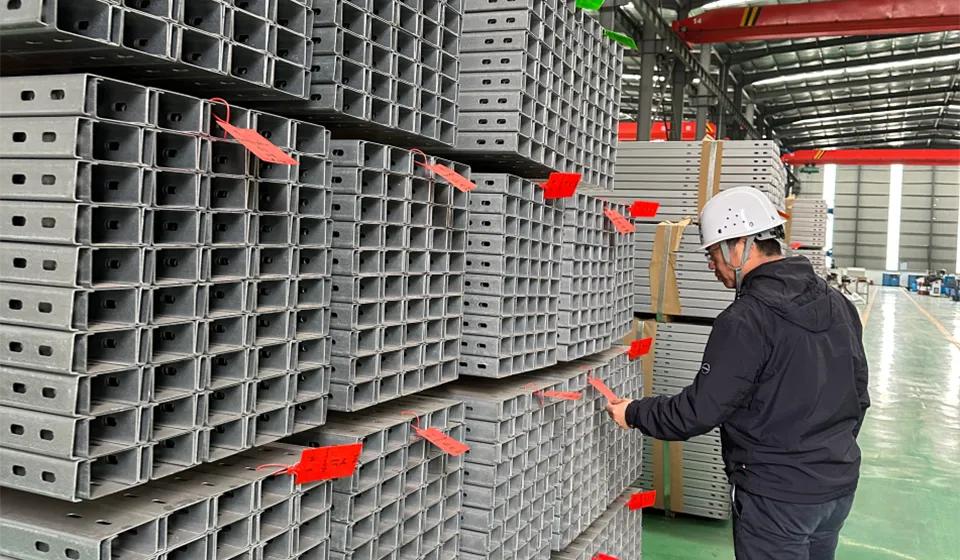
Custom Fabrication, From Drawing to Delivery
Standard lengths and standard hole patterns rarely fit a real project. We produce to drawing — outer diameter, wall thickness, length, coating weight, hole positions, end finish and packing are set by the project, not by a stock list. Our team also supports structural steel shapes and solar mounting accessories for the rest of the structure.
Send the drawing
Drawing, BOM or structural layout, plus site wind and snow conditions.
Engineering review
Load and corrosion class checked; fabrication drawing returned with dimensions.
Approval
Dimensions, coating spec and packing marks confirmed in writing.
Production & inspection
Batch produced, inspected against the approved drawing, shipped on schedule.
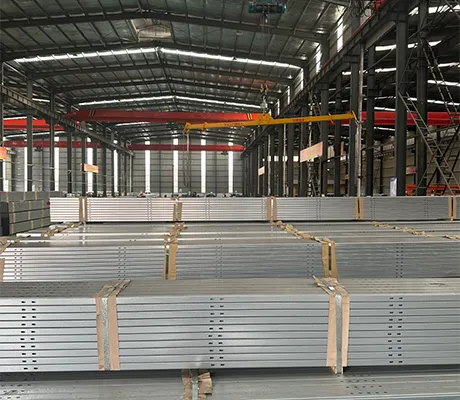
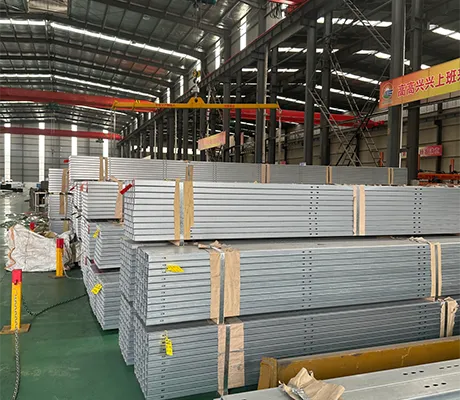
Where It Is Specified
Coastal PV plants
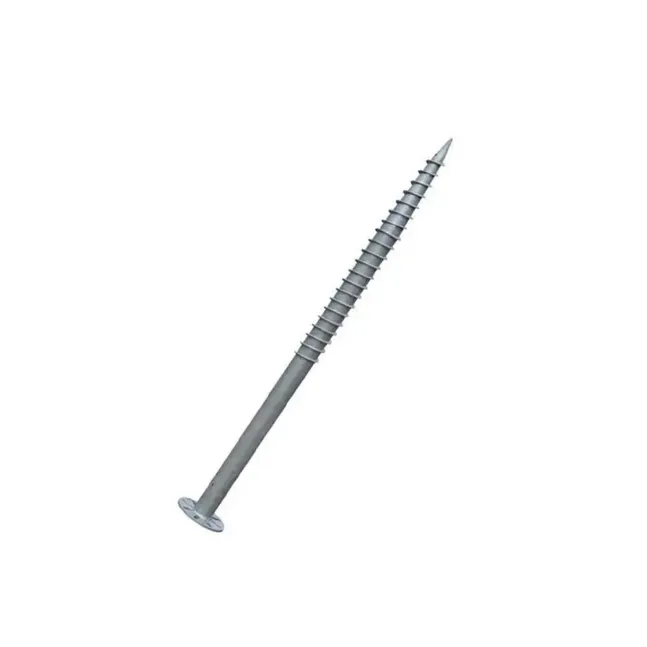
Salt fog and constant humidity. Cut ends and bolt holes stay rust-free without touch-up. Pair it with ground screw piles for the foundation.
High-altitude and high-wind sites
Large temperature swings, high UV and vibration at bolted joints. The coating resists chalking and the section holds its mechanical properties at low temperature.
Solar carports
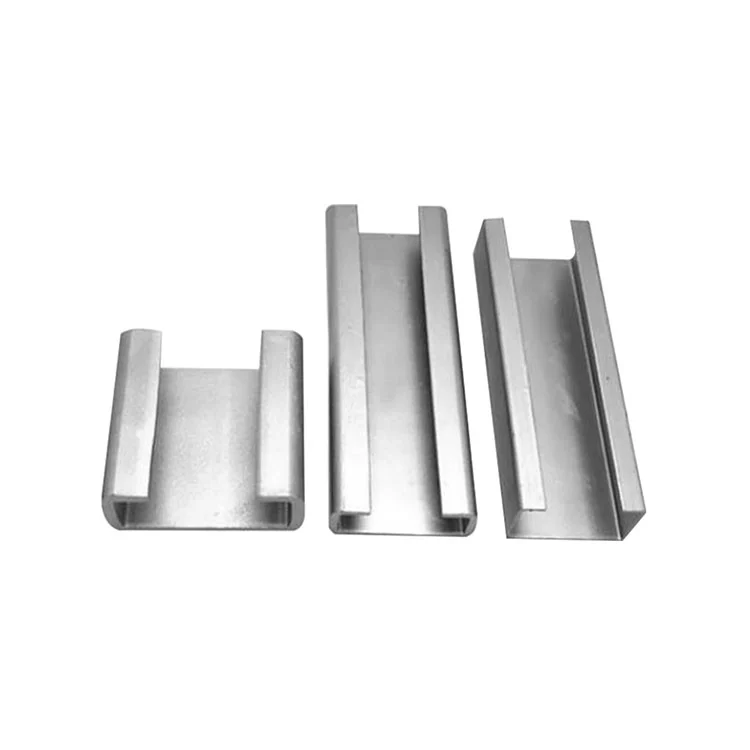
Visible structure with exposed cut ends. No re-coating step on site keeps the installation sequence short. Often combined with C-channel steel framing.
Agrivoltaic projects
Ammonia, fertilizer and dust exposure from the field side. The coating holds where standard galvanized pipe shows early edge rust.
Industrial rooftop PV
Chemical exposure and restricted maintenance access. Choosing a coating that does not need servicing is the cheaper decision over 25 years.
Ground-mount rails and purlins
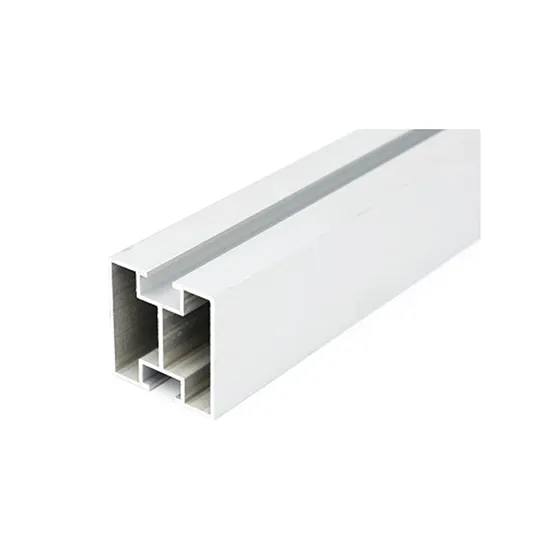
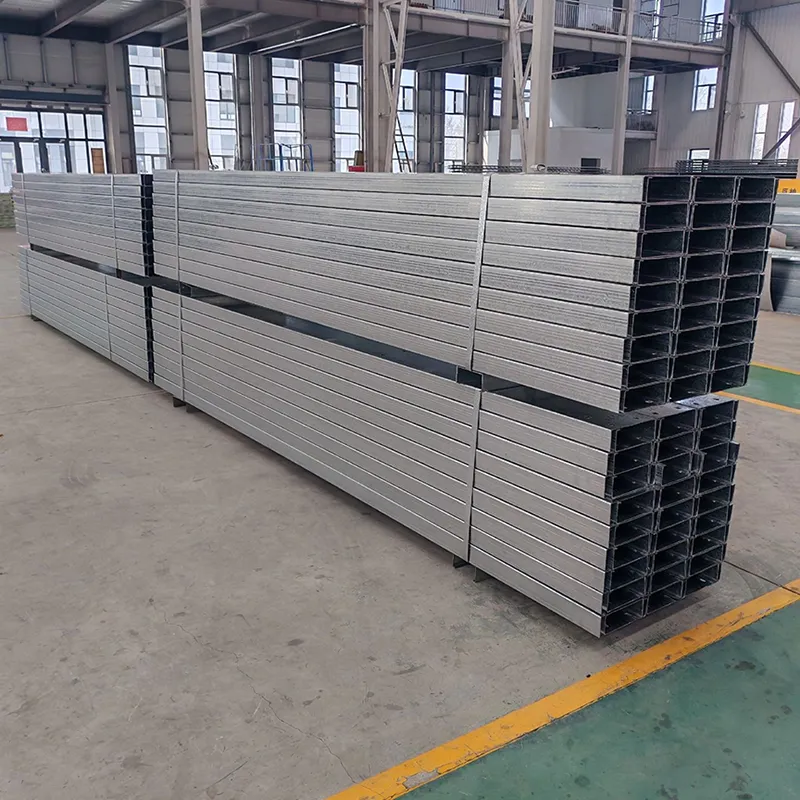
Long runs with many punched holes. Works alongside cold formed steel purlins and aluminum mounting rails.
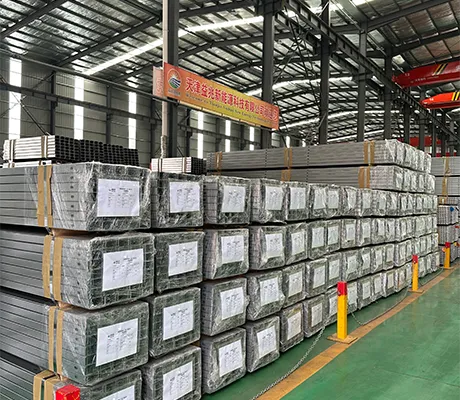
ZAM vs. Hot-Dip Galvanized
| Property | Hot-dip galvanized | Zn-Al-Mg (ZAM) |
|---|---|---|
| Protection at cut edges | Zinc sacrifices; red rust can start at cut ends in C4–C5 | Mg and Al form a dense passivation layer at the damage |
| ISO 9227 time to red rust | Baseline | Typically 3–5× at equal coating weight |
| Coating weight for C4–C5 | Higher, to offset edge weakness | Lower, because the coating protects its own edges |
| Touch-up after installation | Required at cuts and welds | Generally not required |
| Initial cost per ton | Lower | Slightly higher |
| Lifecycle cost, coastal or industrial | Higher, due to maintenance cycles | Lower, no rust treatment before design life |
Inspection and Test Reports
Every batch of Self-healing ZAM Steel Pipe ships with a mill test certificate that lists measured values, not just the specification. See our technology and quality process for the full control plan.
- Chemical composition of the base steel (spectrometer)
- Tensile strength, yield strength and elongation (GB/T 228.1 or ASTM A370)
- Outer diameter, wall thickness, length and straightness
- Coating weight per unit area (GB/T 1839 or ISO 1460)
- Coating adhesion (bend test)
- Weld integrity (flattening and flaring test; eddy current on request)
- Visual and dimensional check on finished pipe
The 4-stage process control and 16 inspection points are recorded per batch. Third-party inspection by SGS, BV, Intertek or your own QC team can be arranged before shipment, and the report is included in the shipping documents.
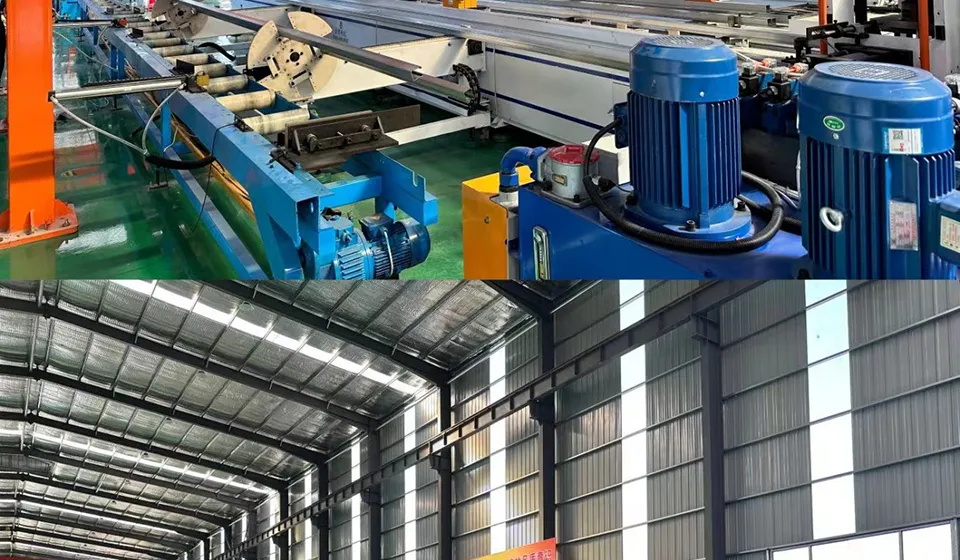
Certifications
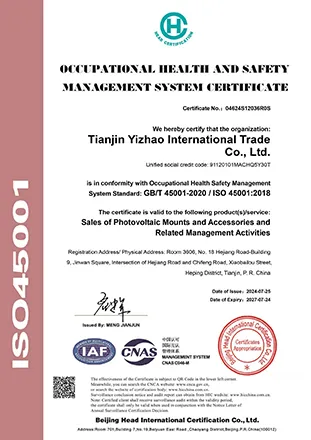
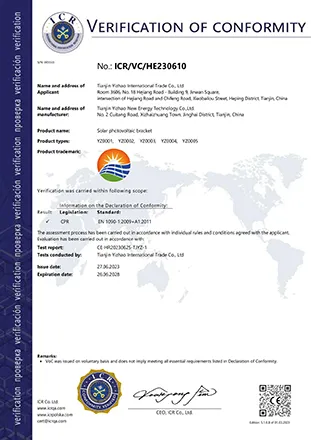
The management systems and product certifications that apply to this pipe:
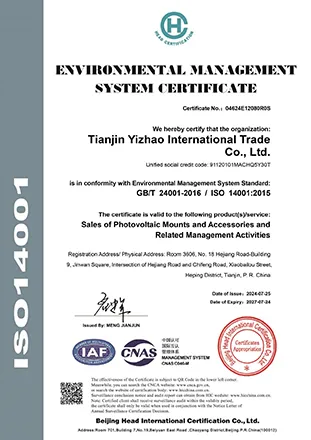
- ISO 9001:2015 — quality management system, covering production and inspection
- ISO 14001:2015 — environmental management system
- ISO 45001:2018 — occupational health and safety management system
- EN 1090-1 — execution class for steel structures, required for CE marking in the EU
- Construction Products Regulation (CPR) — declaration of performance available for EU projects
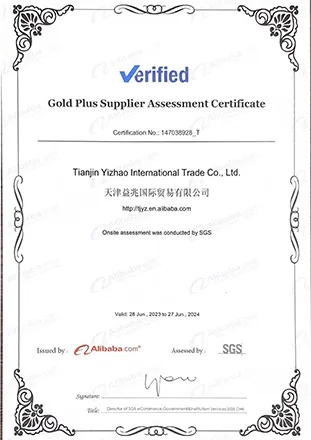
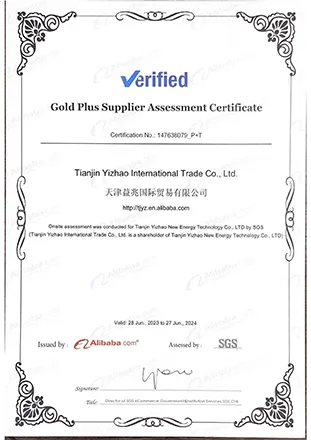
- SGS Gold Plus Supplier — independently audited on site by SGS
Field Results
90 MW coastal PV plant, Southeast Asia
High salinity, year-round heavy rain and strong UV. The original galvanized structure showed local rust and coating peeling within 12 months. The replacement structure used this pipe, and after three years of operation the inspected sections showed no red rust at cut ends, bolt holes or installation scratches, with the coating intact across bolted joints.
Wind-solar hybrid project, western China
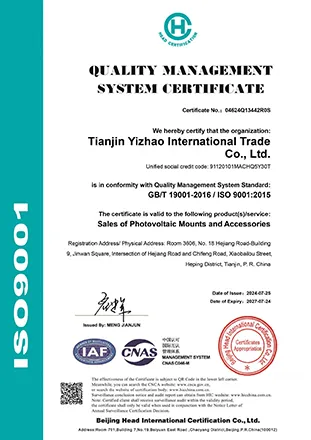
Site temperature runs from below −30 °C in winter to above +35 °C in summer, with persistent wind. The pipe was specified because the coating holds through thermal cycling and bolted joints do not develop rust at the contact faces. Our factory show covers the production lines behind these batches.
Frequently Asked Questions
What does "self-healing" actually mean in this coating?
It describes the behaviour of the Zn-Al-Mg coating at a scratch or cut edge. When the coating is damaged, magnesium and aluminum react with moisture and oxygen to form a dense, low-solubility corrosion product that covers the exposed steel. That slows, and in most cases stops, the corrosion that would otherwise spread outward from the damage.
It is a chemical property of the coating itself — not a polymer additive or a topcoat that wears off.
How is it different from hot-dip galvanized steel pipe?
Hot-dip galvanizing protects steel by zinc sacrifice. At cut edges and scratches the zinc is consumed, and red rust can start if the coating weight is not high enough for the environment. A Zn-Al-Mg coating delivers the same sacrificial protection plus a passivation effect at the damage.
In neutral salt spray testing to ISO 9227, time to red rust is typically 3–5 times longer at equal coating weight, which is why Self-healing ZAM Steel Pipe is specified where the structure has to reach year 25 without rust treatment.
Which steel grades and sizes are available?
Base steel: Q235B, Q355B, S235JR, S355JR, SS400 or equivalent. Outer diameter 20–219 mm, wall thickness 1.2–6.0 mm, length 3–12 m, in round, square and rectangular sections. Coating weight 60–275 g/m² depending on the corrosion class of the site.
Non-standard sizes, hole patterns and end finishes are produced to drawing.
Can it be cut, drilled and welded on site?
Yes. It is fabricated like any structural steel tube. Cutting and drilling expose the base steel at the cut face; the Zn-Al-Mg coating around the cut protects that face without a touch-up coat in most C3–C5 environments.
Welded connections should get a zinc-rich repair coating on the weld and heat-affected zone, as with any coated steel. A compatible repair coating can be supplied with the order.
What is the lead time for a custom order?
Standard sizes ship from stock in 7–15 days. Custom diameter, wall thickness and hole patterns typically run 20–35 days from drawing approval, depending on quantity and coating specification. For projects with a fixed installation window, the production slot is confirmed at order and held.
Do you provide test reports and third-party inspection?
Every shipment includes a mill test certificate with actual chemical, mechanical and coating values. Third-party inspection by SGS, BV, Intertek or your own QC team can be arranged before shipment, and the report goes into the shipping documents.
Send your drawing, get a fabrication quote
Tell us the pipe size, coating weight and site corrosion class. We reply with a fabrication drawing, a price and a confirmed ship date — including the mill test certificate scope.
Send Inquiry
Contact Info
-
Address
188m South of the Intersection of Tuantang Line & Chenda Road, Daqiuzhuang Town, Jinghai District, Tianjin, China
-
Tel
-
Contact Energet Solar for professional PV mounting quotations, technical support and customized solutions directly from an experienced China manufacturer.
News Recommendations