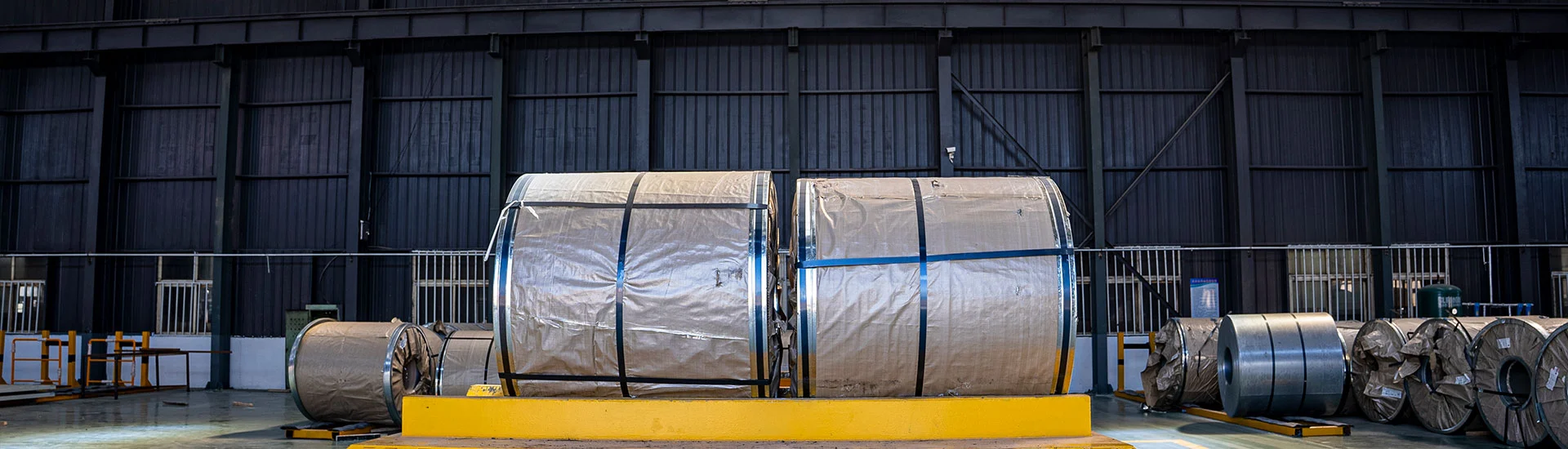
Article Summary: Corrosion is one of the most important long-term risks for outdoor photovoltaic structures, especially in coastal, humid, and industrial environments. Self-healing ZAM Steel Pipe uses a zinc-aluminum-magnesium coating system that can provide enhanced protection when minor surface damage occurs. This article explains the self-healing mechanism, key performance advantages, application scenarios, material selection factors, and why ZAM-coated steel is increasingly considered for durable solar mounting systems.
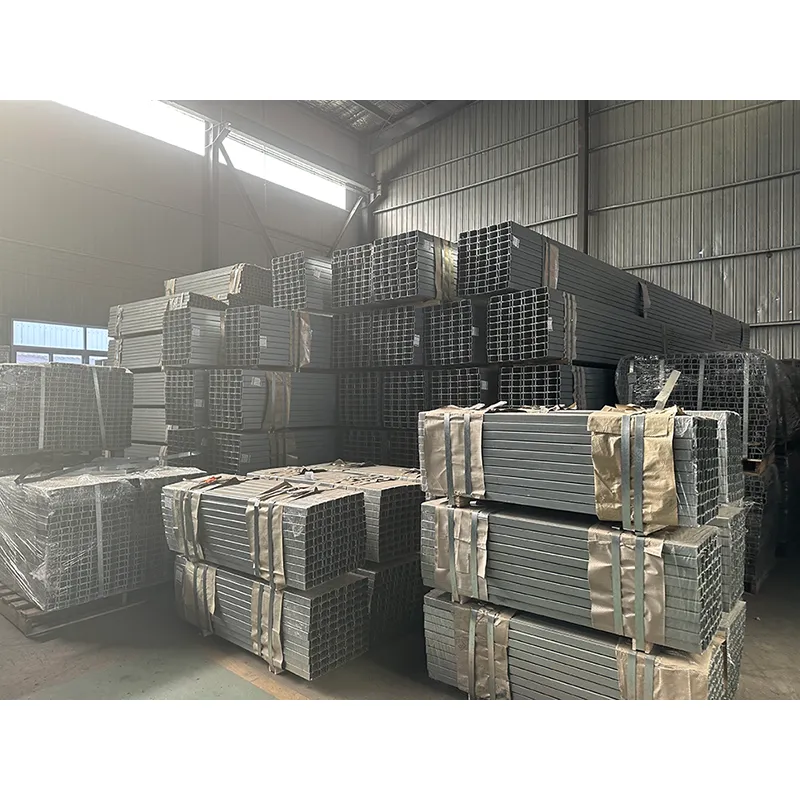
Table of Contents
Why Is Corrosion a Major Challenge for Solar Structures?
What Is Self-healing ZAM Steel Pipe?
How Does the Self-healing Mechanism Work?
What Are the Main Advantages of ZAM Steel Pipe?
Where Can ZAM Steel Pipe Be Used?
How Does ZAM Compare with Traditional Galvanized Steel?
How Should You Select ZAM Steel for a Solar Project?
Why Consider Energet Solar for ZAM Steel Solutions?
Why Is Corrosion a Major Challenge for Solar Structures?
Photovoltaic mounting systems are designed for long-term outdoor service. Unlike equipment installed inside a controlled industrial environment, solar support structures are continuously exposed to rain, humidity, condensation, ultraviolet radiation, wind-driven dust, temperature fluctuations, and, in coastal regions, airborne salt.
Over time, these environmental factors can attack unprotected or inadequately protected steel. Once corrosion begins, the problem may extend beyond surface appearance. Severe corrosion can reduce effective material thickness, weaken connections, increase maintenance requirements, and affect the expected service life of the supporting structure.
There is another practical issue: steel coatings can experience minor scratches during cutting, transportation, drilling, installation, and handling. Completely eliminating these small defects from a large-scale construction process is difficult. Therefore, a protective coating capable of providing additional corrosion protection around minor damaged areas can be valuable for solar applications.
This is where ZAM-coated steel technology offers a different approach to conventional corrosion protection.
What Is Self-healing ZAM Steel Pipe?
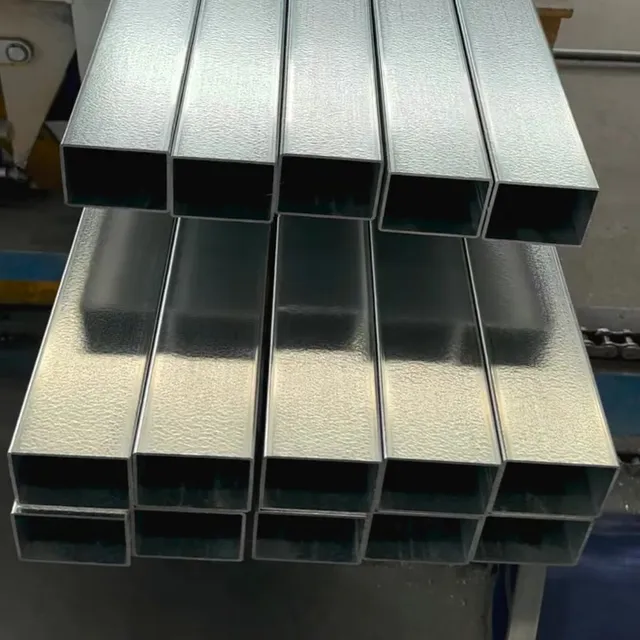
Self-healing ZAM Steel Pipe is structural steel pipe protected by a zinc-aluminum-magnesium alloy coating. The term “ZAM” refers to the principal metallic elements used in this coating system: zinc (Zn), aluminum (Al), and magnesium (Mg).
The steel substrate provides the mechanical strength required by the structure, while the ZAM coating provides protection against environmental corrosion. Its key characteristic is that the coating can develop a stable protective film around certain minor damaged areas, helping slow corrosion processes at exposed points.
A Simple Structure of ZAM Steel Pipe
| Layer / Component | Primary Function | Importance for Solar Structures |
|---|---|---|
| Steel substrate | Provides mechanical strength | Supports modules and structural loads |
| Zinc component | Provides sacrificial corrosion protection | Helps protect exposed steel |
| Aluminum component | Contributes to coating stability | Supports long-term environmental resistance |
| Magnesium component | Promotes protective corrosion products | Supports protection around minor damage |
| Protective surface film | Limits further exposure | Helps reduce localized corrosion development |
The exact performance of a ZAM steel product depends on coating composition, coating mass, substrate grade, manufacturing quality, environmental exposure, and installation conditions. Therefore, material selection should always be based on the requirements of the complete project.
How Does the Self-healing Mechanism Work?
The expression “self-healing” does not mean that the steel physically repairs a large cut or structural defect. Instead, it describes the protective behavior of the metallic coating when relatively small areas are scratched or damaged.
When a minor defect exposes the steel substrate, the surrounding zinc-aluminum-magnesium coating reacts with moisture and oxygen. Corrosion products generated from the coating can migrate toward the exposed region and form a relatively stable protective layer. This process can reduce the active area exposed to the surrounding environment.
Why Is This Important During Installation?
A solar mounting project can involve thousands of individual structural components. During transportation and installation, small abrasions may occur even when professional handling procedures are followed.
- Mechanical handling can cause surface abrasion.
- Drilling and cutting can expose localized steel surfaces.
- Fastener installation can create minor coating damage.
- Transportation can produce friction marks between components.
- Outdoor exposure can accelerate corrosion at vulnerable points.
A coating with enhanced localized corrosion protection can therefore provide an additional performance margin between installation and long-term operation.
What Are the Main Advantages of ZAM Steel Pipe?
1. Enhanced Corrosion Resistance
The combination of zinc, aluminum, and magnesium provides a sophisticated metallic coating system designed for demanding outdoor environments. This makes ZAM steel attractive for photovoltaic structures exposed to moisture and atmospheric pollutants.
2. Protection Around Minor Surface Damage
One of the most distinctive characteristics is the coating's ability to generate protective corrosion products around minor damaged areas. This can help reduce the likelihood that a small scratch will immediately develop into a significant corrosion site.
3. Lower Maintenance Pressure
Solar structures may be installed in locations where regular maintenance is expensive or difficult. Remote utility-scale solar farms, agricultural PV installations, and coastal projects can particularly benefit from materials designed for long-term corrosion resistance.
4. Suitable for Long-Term Outdoor Applications
PV support structures are expected to remain outdoors for many years. Selecting a corrosion-resistant steel system at the design stage can help project developers consider lifecycle performance rather than focusing only on initial purchasing costs.
5. Flexible Engineering Options
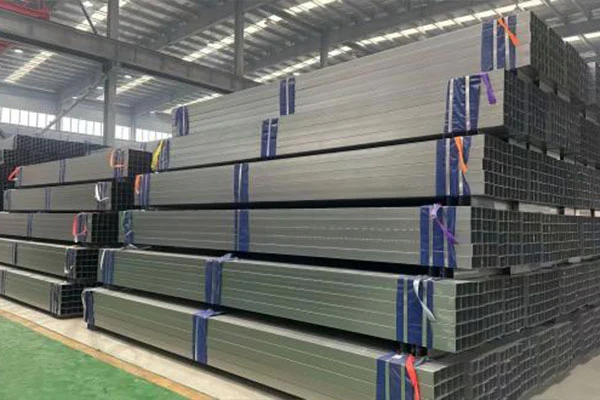
Steel pipes can be engineered around the structural requirements of a project, including dimensions, wall thickness, length, steel grade, coating specification, and processing requirements. This flexibility allows the material to be incorporated into different mounting-system designs.
Where Can ZAM Steel Pipe Be Used?
The combination of structural strength and corrosion protection makes ZAM-coated steel suitable for many outdoor applications. In the solar industry, common applications include:
- Ground-mounted PV systems: Suitable for large solar farms where structures remain continuously exposed to weather.
- Solar carports: Useful where structural components are exposed to rain, sunlight, and urban pollutants.
- Agrivoltaic systems: Appropriate for outdoor agricultural environments where humidity and soil-related exposure can be significant.
- Coastal photovoltaic projects: ZAM technology can be considered where salt-laden air increases corrosion risk.
- Commercial and industrial PV systems: Suitable for projects requiring durable outdoor support structures.
- Other steel frameworks: The technology can also be considered for outdoor structures beyond photovoltaic applications.
For every project, however, environmental classification, structural calculations, applicable standards, and coating specifications should be reviewed before final material selection.
How Does ZAM Compare with Traditional Galvanized Steel?
Hot-dip galvanized steel has been widely used for corrosion protection in construction and solar mounting systems. ZAM-coated steel follows a different coating chemistry and can provide distinctive corrosion behavior, particularly around minor coating damage.
| Consideration | ZAM-Coated Steel | Traditional Galvanized Steel |
|---|---|---|
| Coating composition | Zinc + aluminum + magnesium alloy | Primarily zinc |
| Minor coating damage | Protective corrosion products can develop around damaged areas | Protection relies largely on the remaining zinc coating |
| Outdoor corrosion protection | Designed for enhanced corrosion performance | Established corrosion protection method |
| Solar applications | Ground PV, carports, agrivoltaics and outdoor structures | Widely used in general outdoor construction and PV |
| Lifecycle considerations | Can support reduced corrosion-related maintenance | Performance depends on environment and coating specification |
The correct choice should not be based on coating type alone. Project location, structural loads, expected service life, installation methods, local standards, and total lifecycle cost should all be included in the engineering evaluation.
How Should You Select ZAM Steel for a Solar Project?
Purchasing steel for a photovoltaic project requires more than checking diameter and price. A technically appropriate specification should connect the material with the actual operating environment and structural design.
Key Factors to Check Before Ordering
- Steel grade: Select the grade according to structural calculations and applicable standards.
- Pipe dimensions: Confirm outer diameter, wall thickness, length, and dimensional tolerances.
- Coating specification: Verify coating composition, coating mass, and required corrosion performance.
- Environmental conditions: Consider humidity, rainfall, salt spray, industrial pollutants, and temperature changes.
- Processing requirements: Confirm whether holes, cuts, slots, bends, or other fabrication are required before shipment.
- Quality inspection: Review dimensional, mechanical, coating, and visual inspection procedures.
- Packaging and logistics: Ensure the material is protected from unnecessary damage during storage and transportation.
For large solar projects, customized manufacturing can also reduce installation work on site. Pre-punched holes and project-specific dimensions can improve assembly efficiency while reducing additional processing after delivery.
Why Consider Energet Solar for ZAM Steel Solutions?
Energet Solar focuses on photovoltaic mounting structures and related steel manufacturing. Its production network includes multiple manufacturing facilities, more than 100,000 m² of manufacturing space, and more than 40 production lines, supporting large-volume requirements for solar projects.
Its manufacturing capabilities include roll forming, laser cutting, stamping, and high-frequency welded pipe production. These processes allow structural components to be produced according to project drawings and engineering requirements rather than relying only on standard off-the-shelf dimensions.
Quality management is another important consideration when sourcing structural steel. Energet Solar operates according to ISO 9001:2015, ISO 14001:2015, and ISO 45001:2018 management systems. Its photovoltaic mounting products are also manufactured to meet relevant European structural and construction requirements where applicable.
What Can a Professional Supplier Add to a Project?
- Material and structural specification support
- Customized pipe dimensions and processing
- Large-volume manufacturing capacity
- Coating and finished-product inspection
- Engineering support for PV mounting structures
- Production and delivery coordination
For buyers comparing suppliers, these capabilities can be more meaningful than price alone because structural steel performance affects installation efficiency, maintenance requirements, and long-term project reliability.
Frequently Asked Questions
What does “self-healing” mean in ZAM steel?
It refers to the coating's ability to generate protective corrosion products around certain minor scratches or exposed areas. It does not mean that large cuts, structural damage, or serious coating removal can repair themselves.
Is ZAM steel suitable for photovoltaic mounting structures?
Yes. ZAM-coated steel is particularly suitable for outdoor photovoltaic structures where corrosion resistance is an important design consideration. Ground-mounted PV systems, solar carports, agrivoltaic projects, and coastal installations are typical applications.
Can ZAM steel be used in coastal environments?
It can be considered for coastal applications because its coating system is designed to provide enhanced corrosion protection. The final material specification should nevertheless be selected according to local salt exposure, environmental classification, structural design, and applicable standards.
Does ZAM steel eliminate the need for maintenance?
No. Even highly corrosion-resistant steel requires appropriate inspection and maintenance. ZAM technology is intended to improve corrosion protection and potentially reduce corrosion-related maintenance, not eliminate routine structural inspection.
Can ZAM steel pipes be customized?
Yes. Depending on manufacturing capabilities and project requirements, dimensions, wall thickness, length, hole positions, cutting, and other processing details can be customized according to engineering drawings.
Conclusion: Is ZAM Steel a Better Long-Term Strategy?
For solar structures expected to operate outdoors for many years, corrosion protection should be considered as part of the overall structural strategy rather than as a secondary material detail. Self-healing ZAM Steel Pipe combines a structural steel substrate with a zinc-aluminum-magnesium coating designed to provide enhanced corrosion resistance and additional protection around minor surface damage. When the coating specification, steel grade, dimensions, manufacturing process, and environmental requirements are correctly matched, ZAM steel can become a practical solution for durable photovoltaic mounting systems. For customized specifications, bulk project requirements, or technical assistance with your solar structure, contact us to discuss your drawings, operating environment, dimensions, and sourcing requirements with Energet Solar.