News
How Can Equal Angle Steel Improve the Strength, Stability, and Durability of Solar Mounting Structures
Article Summary: Equal angle steel is a versatile structural component used in photovoltaic mounting systems, steel frames, and general construction. Its equal-leg geometry supports practical connections, balanced structural arrangements, and efficient fabrication. This guide explores how material grades, dimensions, galvanizing, manufacturing precision, and project-specific engineering influence performance. Energet Solar supplies customizable Equal Angle Steel solutions for solar mounting structures and other steel fabrication projects, helping buyers evaluate specifications and select suitable materials for long-term structural reliability.
As solar installations expand across different climates and terrain conditions, selecting dependable structural components becomes increasingly important. Energet Solar provides Equal Angle Steel designed for photovoltaic mounting structures, steel frameworks, and related engineering applications, combining configurable dimensions, carbon steel options, precision processing, and corrosion-resistant surface treatment to support diverse project requirements.
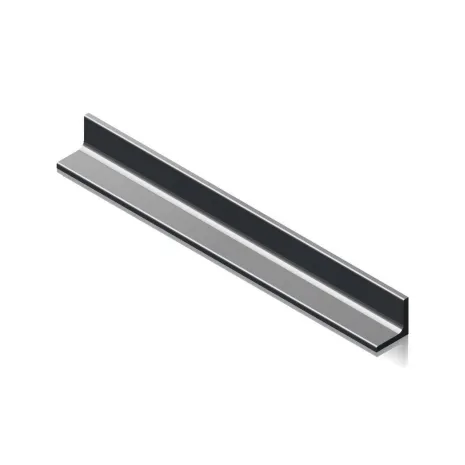
Table of Contents
- What Is Equal Angle Steel?
- Key Specifications and Available Options
- How Is Equal Angle Steel Used in Solar Mounting Systems?
- How to Choose the Right Material and Surface Treatment
- Manufacturing Processes and Quality Considerations
- How to Select Equal Angle Steel for Your Project
- What Should Buyers Look for in a Supplier?
- Frequently Asked Questions
- Conclusion: Building More Reliable Steel Structures
What Is Equal Angle Steel?
Equal angle steel is a structural steel profile with two legs of equal width joined at a 90-degree angle. Its L-shaped cross-section makes it useful for connecting structural members, reinforcing frames, supporting secondary components, and fabricating brackets.
Unlike unequal angle steel, which has legs of different widths, equal angle steel provides a symmetrical cross-sectional arrangement. This geometry can simplify layout planning and connection design when both legs require comparable dimensions. However, its actual load-bearing performance depends on the section dimensions, material properties, connection details, loading direction, and support conditions.
In photovoltaic engineering, equal angle steel is commonly considered for mounting brackets, support connections, reinforcement members, and other components that form part of a larger racking assembly. It can also be incorporated into industrial frames, equipment supports, and general steel fabrication projects.
Its practical advantages include:
- Convenient connections: The two perpendicular legs provide surfaces for bolting, welding, and other engineered fastening arrangements.
- Flexible fabrication: Cutting, punching, and forming can adapt the profile to different assembly requirements.
- Multiple sizing options: Leg widths, thicknesses, and lengths can be selected according to project specifications.
- Broad applicability: It can serve solar mounting, construction, industrial support, and structural reinforcement purposes.
These benefits make equal angle steel a useful option, but the correct section must always be verified against the engineering requirements of the intended structure.
Key Specifications and Available Options
Choosing an appropriate angle profile begins with reviewing its dimensions, steel grade, coating, and intended function. Energet Solar offers standard and customized Equal Angle Steel configurations for photovoltaic mounting systems, carports, and other steel structures.
| Specification | Available Options | Selection Considerations |
|---|---|---|
| Length | 1,000–6,000 mm | Assembly layout, transport, and installation requirements |
| Equal leg width | 20–140 mm | Connection geometry and required structural capacity |
| Thickness | 3.0–10.0 mm | Loading conditions, stiffness, and fabrication requirements |
| Carbon steel grades | Q235B / Q355B; S235JR / S355JR options | Applicable material standards and design strength |
| Surface treatment | Hot-dip galvanizing, 45–120 μm | Environmental exposure and specified coating requirements |
| Typical applications | Ground-mounted PV systems, steel structures, and carports | Project design and installation conditions |
| Structural functions | Purlin support, connections, and reinforcement | Load transfer and connection configuration |
Note: The specifications above reflect the options published on the Energet Solar product page. Final availability, tolerances, coating requirements, and material certifications should be confirmed for each order. Different national steel grades should not be treated as automatically interchangeable without checking the applicable standards and material documentation.
For large solar projects, consistent dimensions and clearly defined material requirements help reduce assembly adjustments and simplify quality inspections. Buyers should confirm drawings, hole positions, cut lengths, and coating specifications before production begins.
How Is Equal Angle Steel Used in Solar Mounting Systems?
Photovoltaic mounting systems operate outdoors and must transfer loads from solar modules through rails, braces, columns, foundations, and connections. Equal angle steel can contribute to this structural network when its geometry and mechanical properties match the design requirements.
1. Ground-Mounted Solar Racking
Ground-mounted photovoltaic systems require stable support structures capable of resisting dead loads, wind forces, and other site-specific actions. Equal angle steel may be used in connection brackets, diagonal reinforcement, and secondary support assemblies. Properly designed connections help transfer forces between individual structural members.
2. Solar Carport Structures
Solar carports combine vehicle shelter with photovoltaic power generation. Angle profiles can be used in selected braces, mounting connections, and auxiliary steel components. Because these structures may experience significant wind exposure, designers must verify member capacity, connection strength, deflection, and foundation reactions.
3. Purlin Support and Structural Reinforcement
Angle steel can support or reinforce selected structural connections, depending on the design. It can also help connect members with different orientations. The final arrangement should account for eccentric loading, local buckling, fastener spacing, and the behavior of the complete assembly rather than relying on profile shape alone.
4. General Industrial and Construction Applications
Outside the solar industry, equal angle steel can be incorporated into equipment frames, support brackets, utility structures, and fabricated assemblies. Standardized dimensions and repeatable manufacturing are particularly useful when multiple components must fit together across a large installation.
For additional structural options, buyers can explore Energet Solar's photovoltaic mounting and structural steel solutions to compare profile types and identify components suitable for their project designs.
How to Choose the Right Material and Surface Treatment
Material grade and surface protection affect the service performance of angle steel. A suitable choice depends on structural calculations, local environmental conditions, expected service life, and the maintenance strategy for the installation.
Carbon Steel Grades
Energet Solar lists Q235B and Q355B, as well as S235JR and S355JR options, for its Equal Angle Steel offering. These grades are associated with different material standards and should be specified according to the applicable design code and verified material properties.
- Q235B / S235JR: May be appropriate for applications designed around the properties and requirements of these grades.
- Q355B / S355JR: Higher-strength options that may be considered when engineering calculations call for greater material strength.
A higher-strength grade does not automatically make a complete structure safer or more efficient. Section geometry, stability, connection design, fabrication quality, and applicable safety factors remain essential.
Hot-Dip Galvanizing for Outdoor Durability
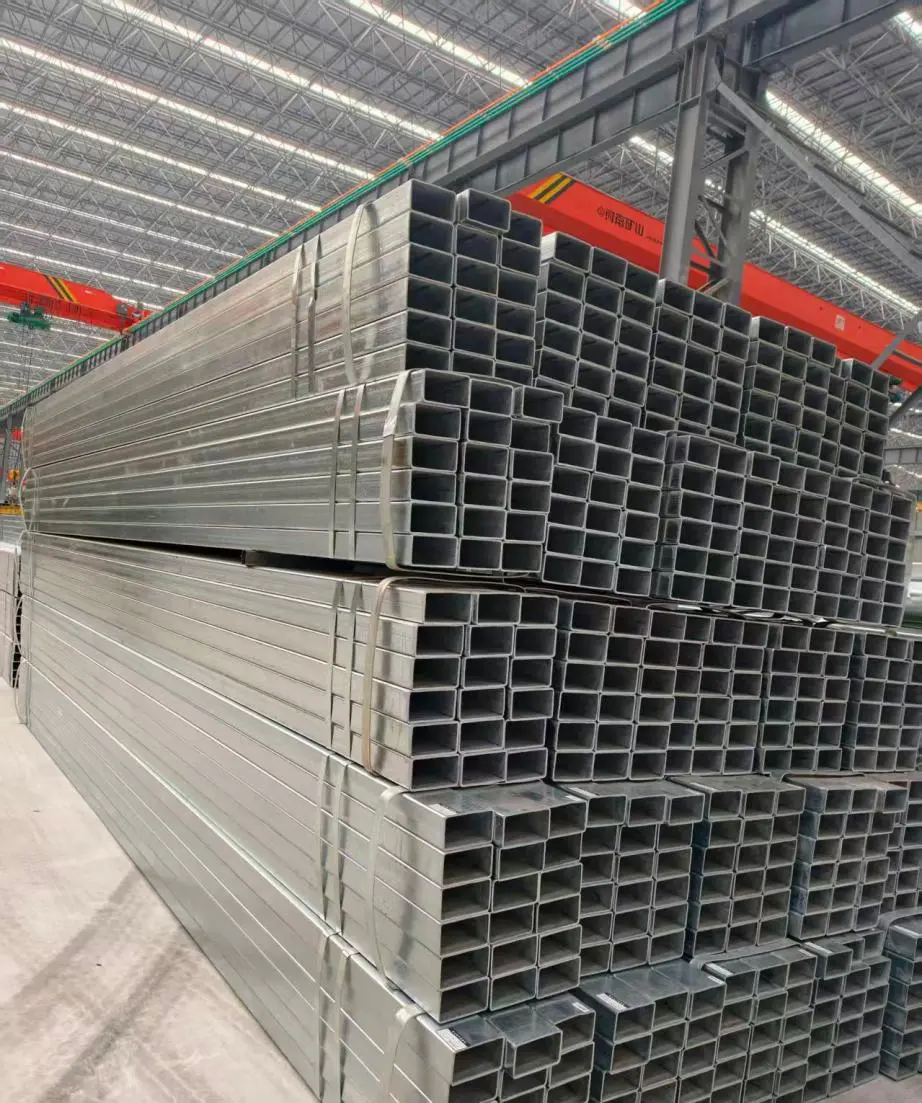
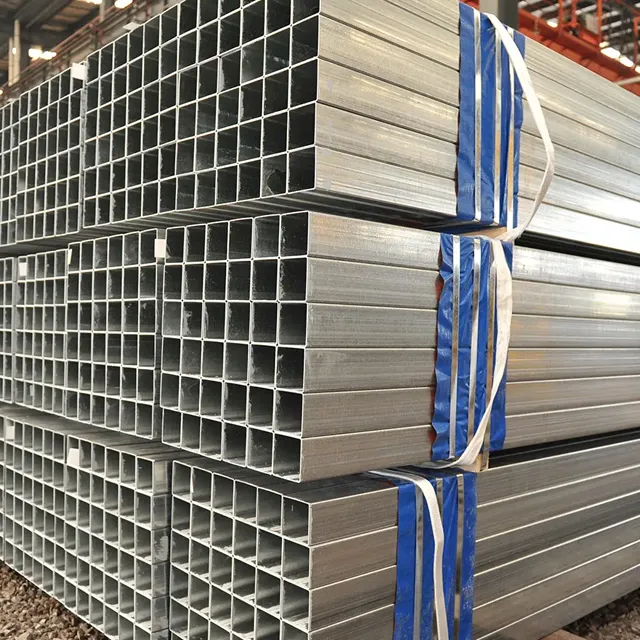
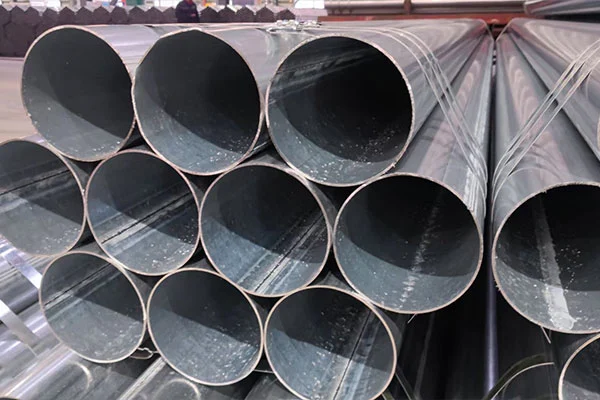
Steel exposed to rain, humidity, and changing temperatures can corrode if its surface is not adequately protected. Hot-dip galvanizing applies a zinc coating that provides a protective barrier and sacrificial corrosion protection.
The published Equal Angle Steel specifications list a galvanized coating thickness of 45–120 μm. The appropriate coating level should be selected according to the project specification, environmental exposure, applicable standards, and inspection requirements.
When evaluating corrosion protection, consider:
- Exposure to coastal salt, industrial pollutants, or persistent moisture.
- Required coating thickness and the method used to verify it.
- Protection of cut edges, drilled holes, and fabricated connections.
- Handling and transport practices that may damage the coating.
- Inspection and maintenance requirements throughout the intended service life.
For especially aggressive environments, project engineers should assess whether the specified coating system provides adequate protection. No coating should be assumed to guarantee a fixed service life under every operating condition.
Manufacturing Processes and Quality Considerations
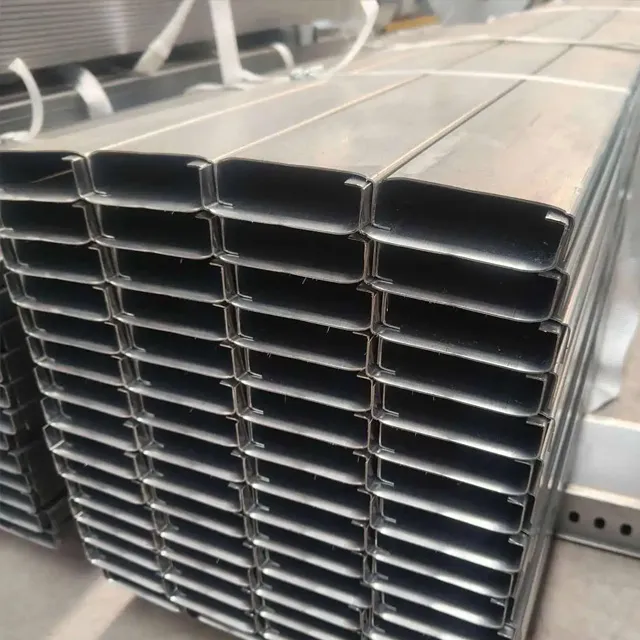
Manufacturing accuracy is important because structural profiles must fit their mating components and maintain the specified geometry. Energet Solar describes cold-forming, precision cutting, CNC punching, and stamping capabilities for its steel processing operations.
Cold Forming and Dimensional Control
Cold forming shapes steel without conventional hot-forming operations at the point of profile formation. When properly controlled, it supports repeatable dimensions and efficient production. Buyers should review the specified profile tolerances and ensure that the manufacturing process is appropriate for the selected material and thickness.
Precision Cutting and Hole Processing
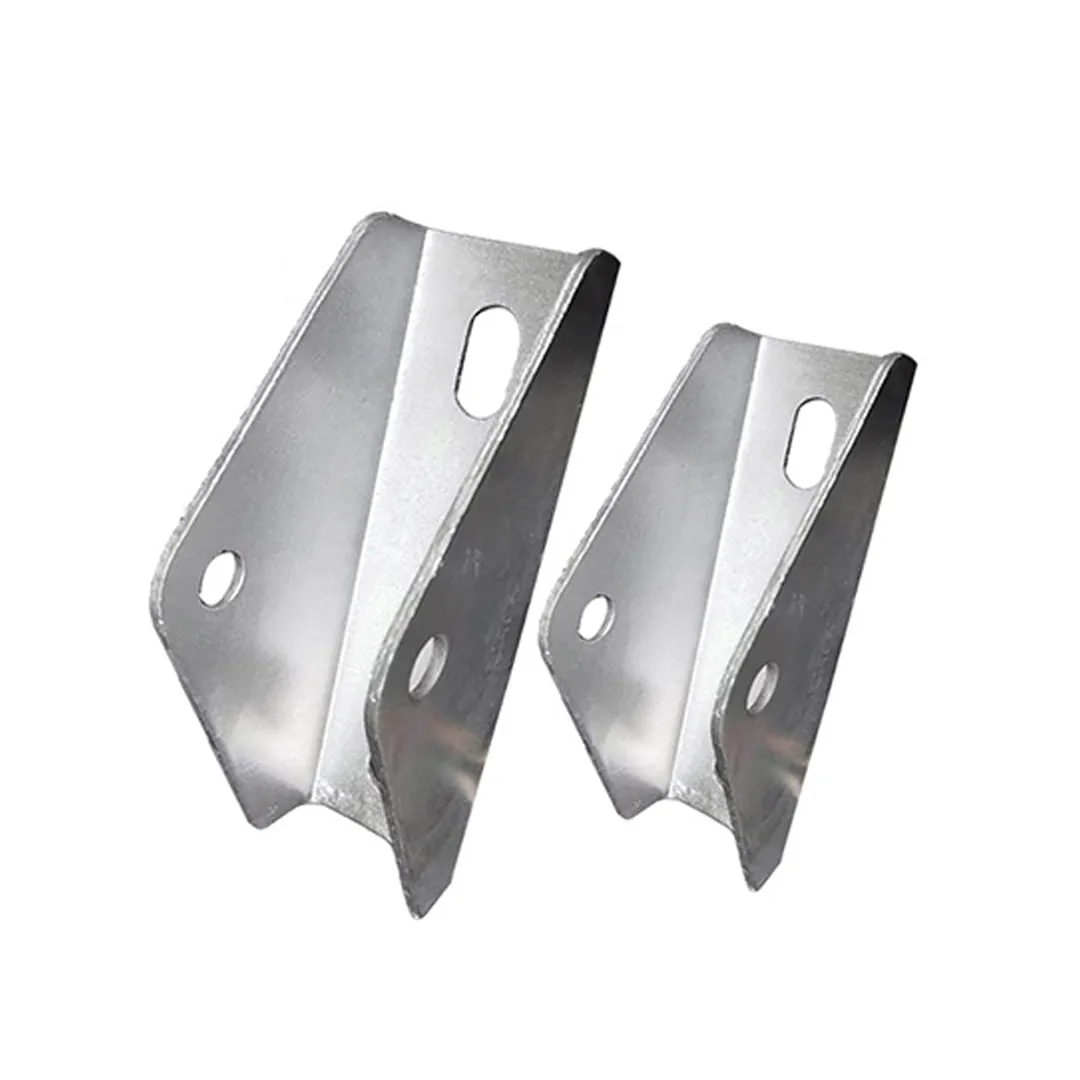
Accurate cutting helps components match assembly drawings, while CNC punching can produce repeatable connection holes. Correct hole location and diameter are particularly important for bolted solar mounting systems because misalignment can slow installation or affect the intended connection behavior.
Inspection Before Delivery
A practical quality assurance process should include checks appropriate to the purchase specification, such as:
- Material verification: Confirm steel grade and review the relevant material documentation.
- Dimensional inspection: Check leg widths, thickness, length, straightness, and specified tolerances.
- Hole and fabrication checks: Verify punching locations, edge distances, and cut quality against approved drawings.
- Coating inspection: Check galvanized coverage and thickness using the agreed inspection method.
- Order traceability: Ensure product identification, packaging, and documentation match the purchase requirements.
These checks help buyers assess product consistency and identify discrepancies before components reach the installation site. Inspection criteria should be documented before production rather than decided only after delivery.
How to Select Equal Angle Steel for Your Project
Choosing an angle profile solely by its dimensions or purchase price can lead to avoidable engineering and installation problems. A structured selection process helps align procurement with actual project conditions.
- Define the application: Identify whether the steel will be used for solar racking, a carport, a connection bracket, or another structural purpose.
- Confirm engineering loads: Provide the relevant dead loads, wind loads, snow loads, seismic requirements where applicable, and support conditions to the design engineer.
- Specify the profile: Document equal leg width, thickness, length, hole positions, and any required forming or cutting operations.
- Select the steel grade: Confirm the required mechanical properties and applicable material standard.
- Determine corrosion protection: Define coating type, coating thickness, inspection method, and any additional requirements for exposed edges.
- Review fabrication compatibility: Confirm that the angle profile fits the project's bolts, connectors, rails, and other structural members.
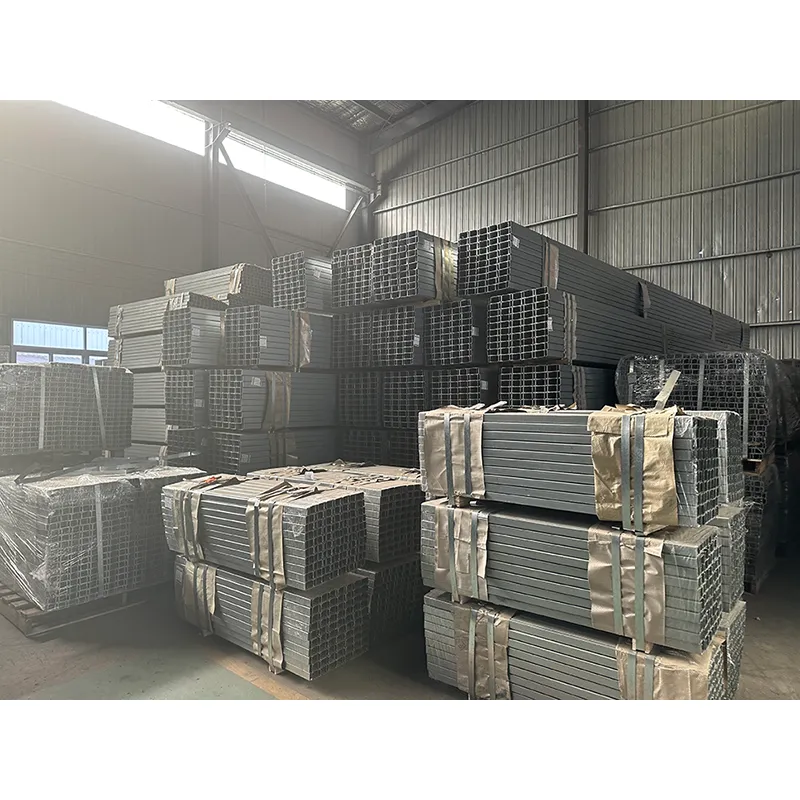
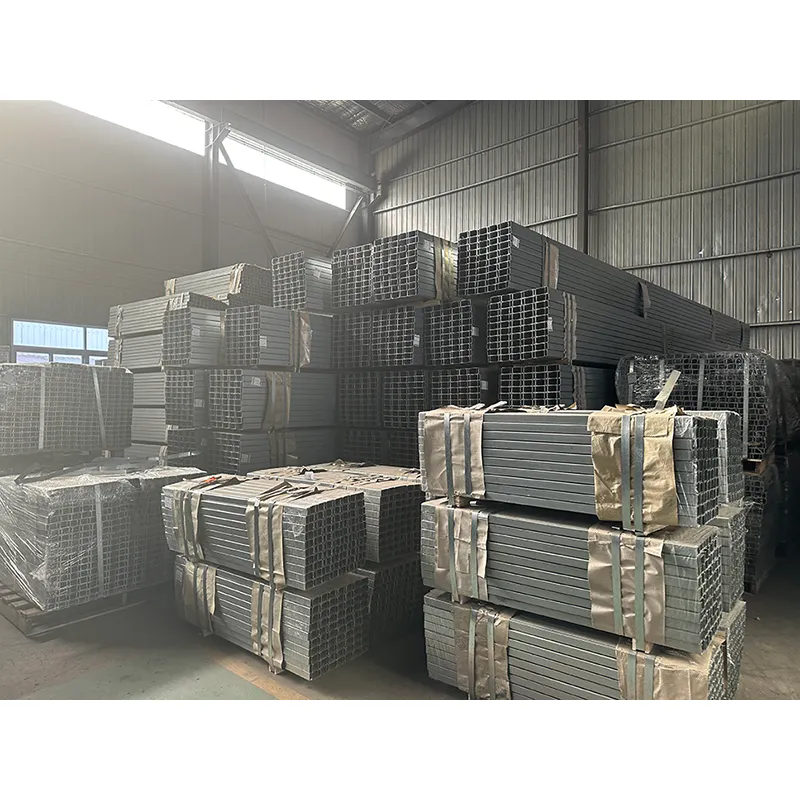
- Plan logistics: Check bundle dimensions, shipping arrangements, delivery milestones, and unloading requirements.
- Approve documentation: Agree on drawings, inspection records, material documents, and acceptance criteria before bulk production.
For customized projects, early coordination between the designer, purchaser, and manufacturer can reduce drawing revisions and help establish a more predictable production schedule.
What Should Buyers Look for in an Equal Angle Steel Supplier?
A reliable supplier should provide more than a price per ton. Buyers need confidence that the delivered material matches the agreed specifications and can be integrated into the intended structural system.
When comparing manufacturers, evaluate the following factors:
| Evaluation Factor | Questions to Ask | Why It Matters |
|---|---|---|
| Material sourcing | Can the supplier provide traceable material information? | Supports grade verification and purchasing compliance |
| Processing capabilities | Can cutting, punching, and forming match the approved drawings? | Helps improve installation fit and fabrication consistency |
| Coating control | Can the specified galvanizing thickness be inspected and documented? | Supports corrosion protection requirements |
| Customization | Can non-standard dimensions and dedicated tooling be accommodated? | Helps address project-specific design requirements |
| Delivery planning | Can production and shipment schedules match project milestones? | Reduces procurement and installation coordination risks |
| Technical support | Can the supplier coordinate drawings, specifications, and quality records? | Helps resolve technical questions before bulk production |
Energet Solar offers customized Equal Angle Steel solutions supported by raw material sourcing, cold bending, CNC punching, stamping, and project coordination. Its product page also identifies Xintian Steel as a raw material supply partner and describes service experience across Europe, Africa, the Middle East, and the Americas.
Buyers can review the Equal Angle Steel product specifications and discuss project-specific dimensions, processing requirements, and delivery arrangements before placing an order.
Frequently Asked Questions
1. What is equal angle steel mainly used for?
Equal angle steel is used in structural frames, connection brackets, reinforcement components, photovoltaic mounting systems, and general steel fabrication. Its suitability for a specific load-bearing application must be confirmed through engineering calculations.
2. What sizes of Equal Angle Steel does Energet Solar offer?
The published specifications list lengths from 1,000 to 6,000 mm, equal leg widths from 20 to 140 mm, and thicknesses from 3.0 to 10.0 mm. Customized dimensions may be available subject to technical review and production confirmation.
3. Which steel grades are available?
The product page lists Q235B and Q355B carbon steel, along with S235JR and S355JR options. Buyers should specify the required standard and confirm material documentation before production.
4. Is galvanized equal angle steel suitable for outdoor solar projects?
Hot-dip galvanized angle steel can provide corrosion protection for outdoor applications. Suitability depends on the exposure conditions, coating thickness, applicable standards, fabrication details, and maintenance requirements.
5. Can equal angle steel be customized?
Yes. Energet Solar describes customized solutions for non-standard dimensions and special designs, with processing options such as cutting, forming, CNC punching, and stamping. Final feasibility depends on the drawings, quantities, material, and production requirements.
6. How long does bulk order delivery take?
Energet Solar indicates a general delivery lead time of 15–30 days, depending on order volume. Actual timing should be confirmed against the order specifications, production capacity, customization requirements, and shipping arrangements.
7. What information should I provide when requesting a quotation?
Prepare the required steel grade, leg width, thickness, length, surface treatment, quantity, drawings, packaging requirements, delivery destination, and target delivery date. Include any relevant project standards or inspection requirements so the supplier can assess the request accurately.
Conclusion: Building More Reliable Steel Structures
Equal angle steel remains a practical structural profile for photovoltaic mounting systems, steel frames, and industrial fabrication because its L-shaped geometry supports versatile connections and adaptable component design. Selecting the right product requires more than comparing dimensions: material grade, load conditions, manufacturing accuracy, coating quality, and installation details all influence structural performance.
With configurable sizes, carbon steel options, hot-dip galvanized finishes, and precision processing capabilities, Energet Solar provides Equal Angle Steel solutions for different solar and construction requirements. Careful specification and supplier coordination can help buyers improve procurement consistency, simplify installation, and manage long-term maintenance considerations.
Planning a solar mounting system or steel fabrication project? Visit the Energet Solar Equal Angle Steel product page to review available specifications and customization options. Share your drawings, dimensions, material requirements, and estimated order quantity with our team. Contact us today to discuss a tailored Equal Angle Steel solution, request a quotation, and coordinate the technical and delivery details for your next project.
Previous :
-
Related News
- Is ZAM Coated Rectangular Tube the Best Choice for Long-Life Steel Structures
- How Can ZAM Steel Pipe Improve Corrosion Resistance and Extend the Service Life of Solar Mounting Structures
- How Can Unequal Angle Steel Improve Strength, Flexibility, and Efficiency in Solar Mounting Projects
- Why Is Structural Hollow Section a Smarter Choice for Stronger and More Efficient Solar Structures
- How Can Cold Formed Steel Purlin Improve the Strength, Efficiency, and Durability of Solar Structures
- How Can a Steel Water Gutter for PV Roof Improve Solar Drainage and Long-Term Roof Protection
Leave me a message