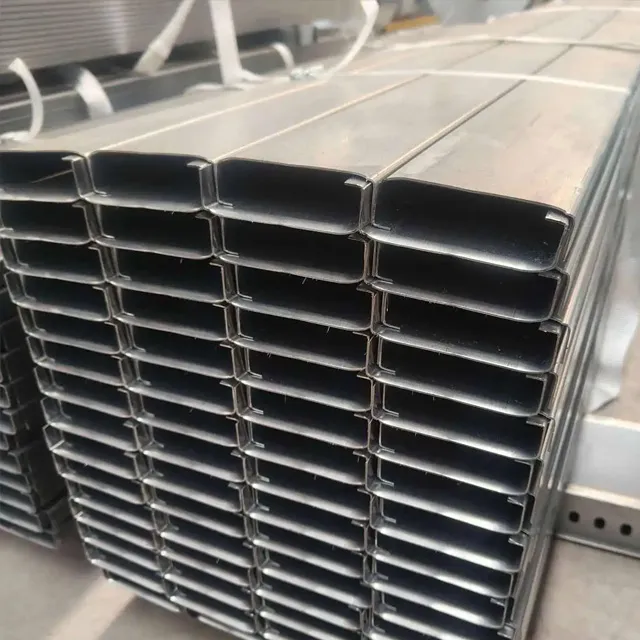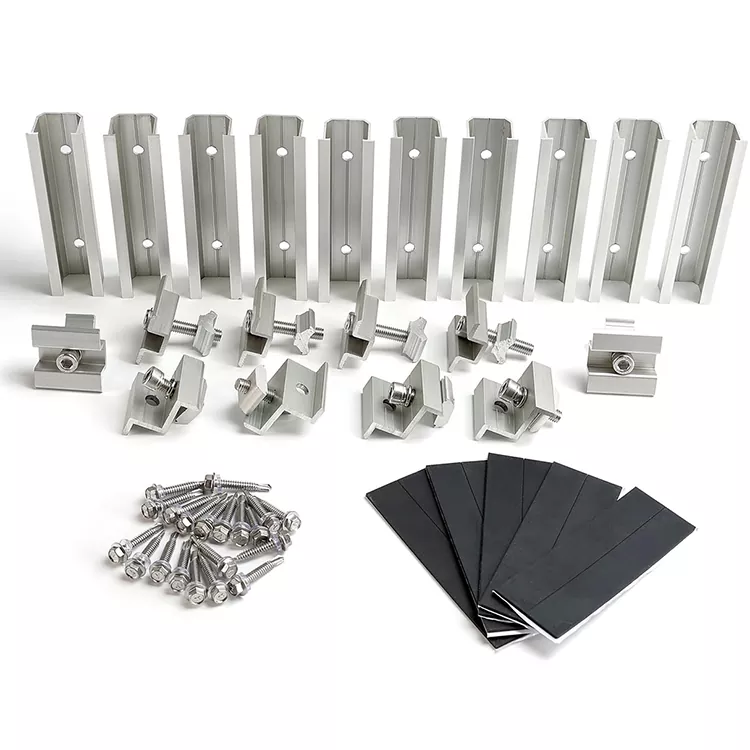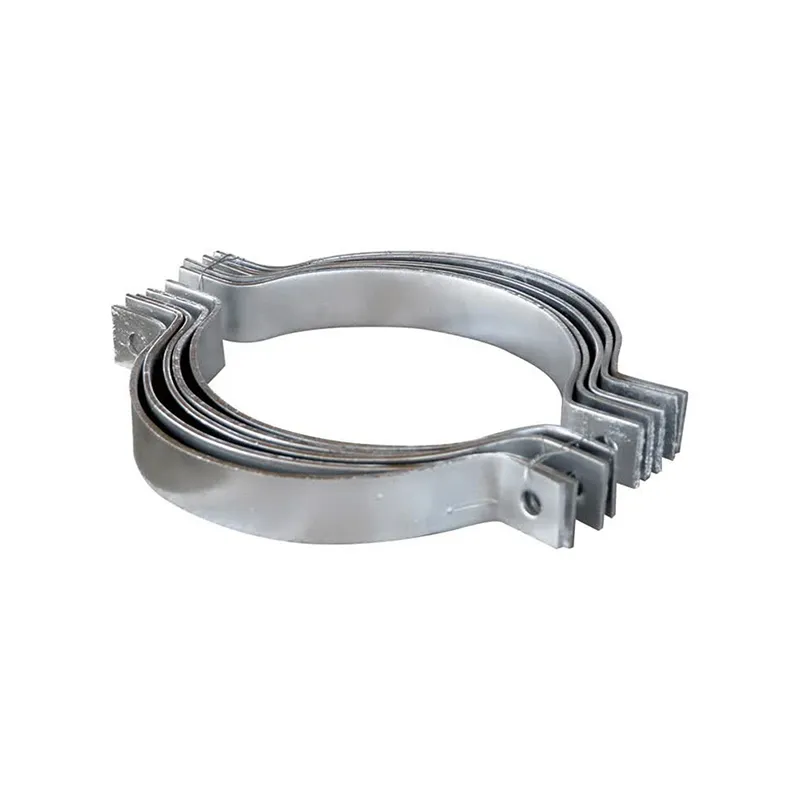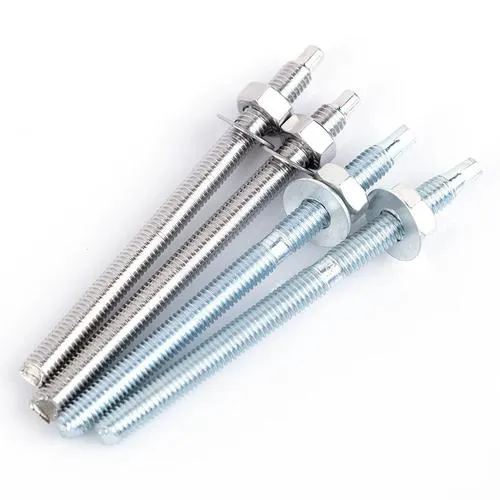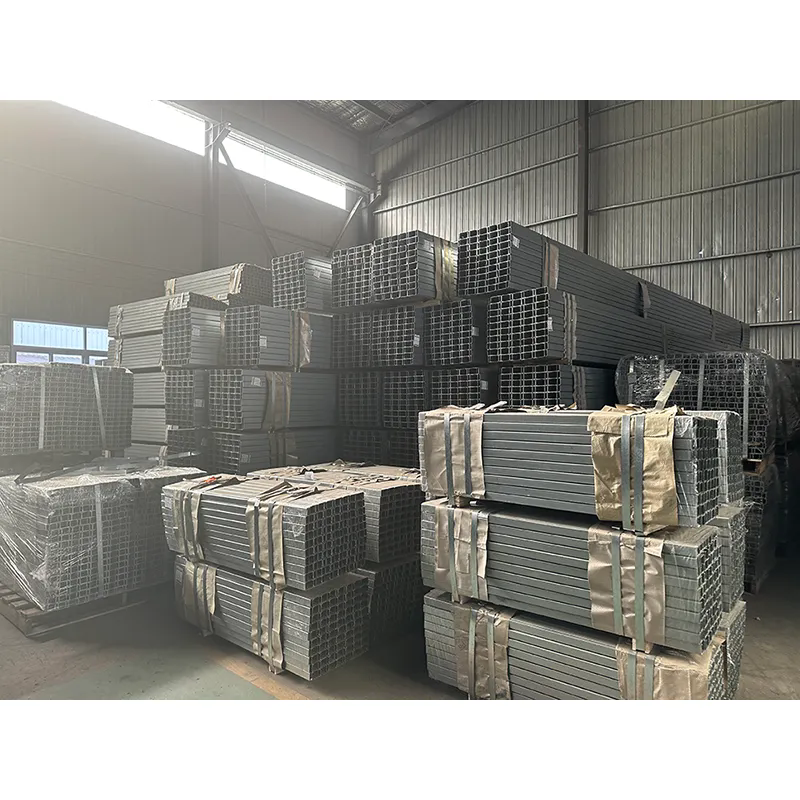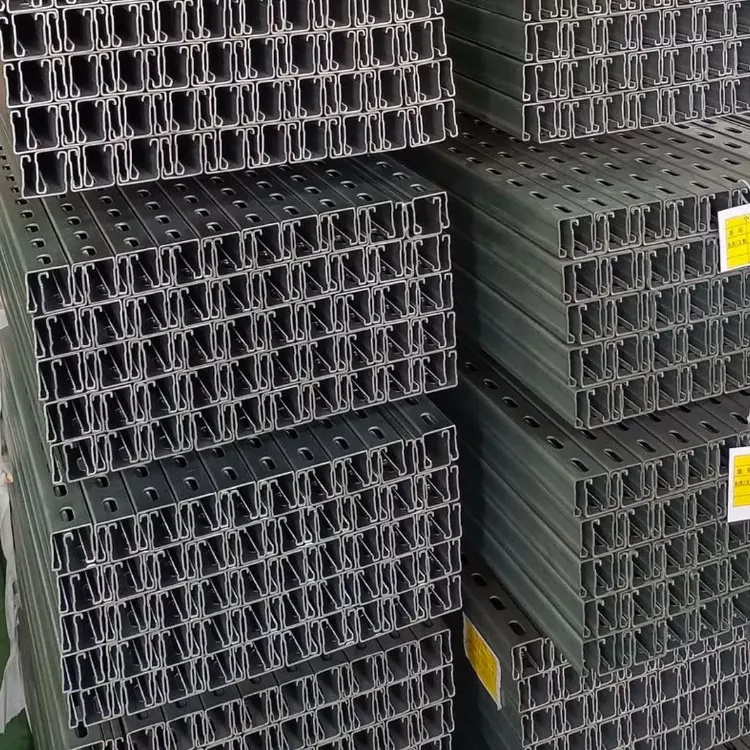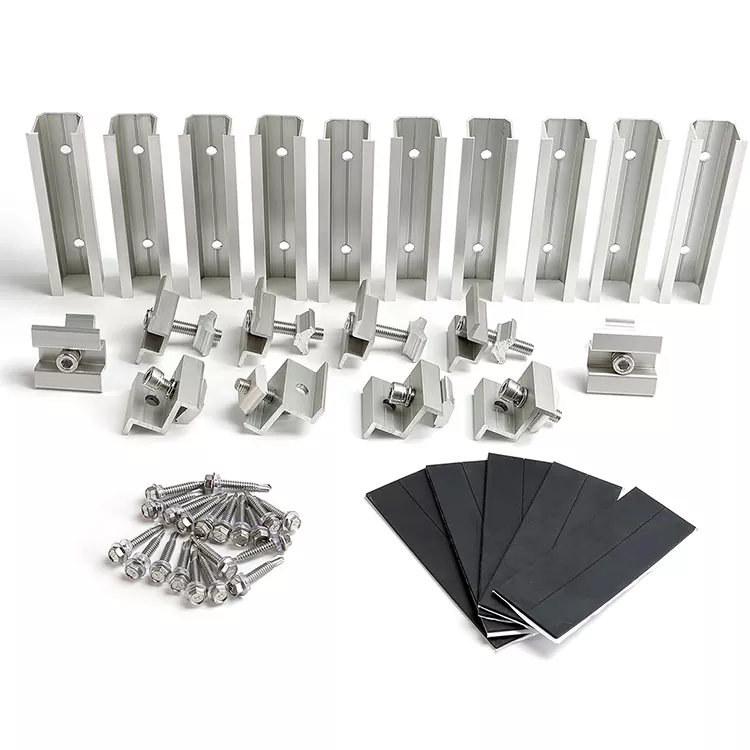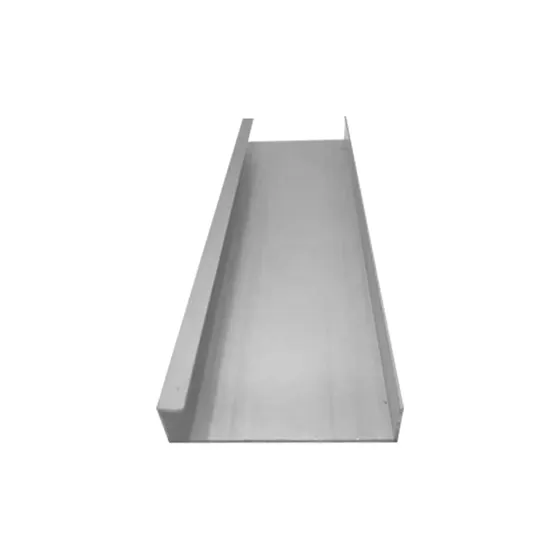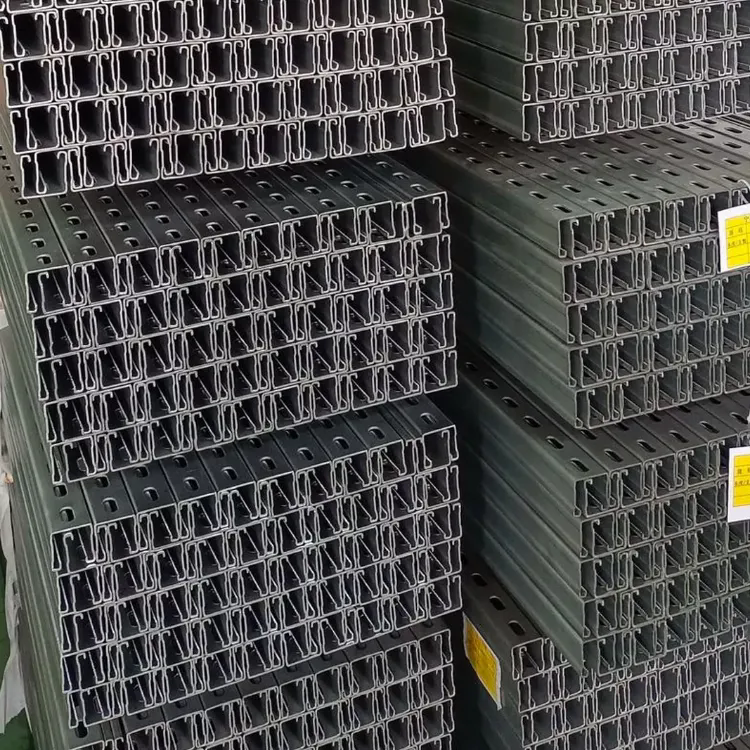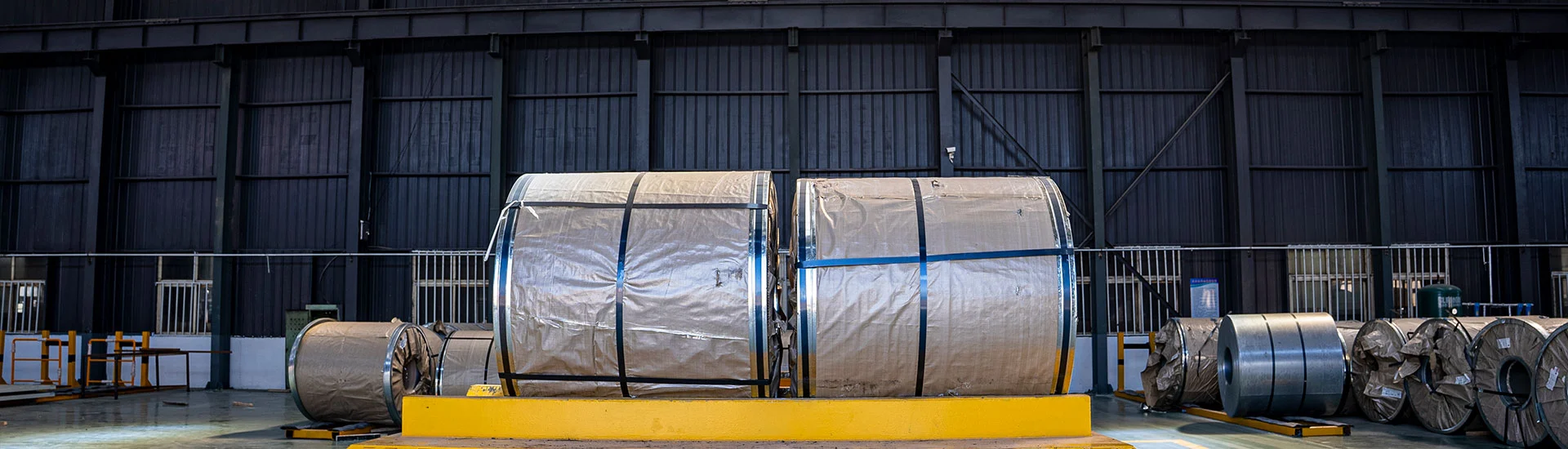
For solar mounting systems and modern steel-frame projects, Energet Solar provides Cold Formed Steel Purlin solutions designed to combine structural efficiency, dimensional accuracy, corrosion resistance, and flexible customization. Produced through precision cold-roll forming, these C- and Z-shaped profiles are widely used as secondary load-bearing members in photovoltaic structures and steel buildings.
Cold-formed steel purlins play an important role in transferring loads, connecting primary structural members, and supporting photovoltaic module arrays. Compared with conventional hot-rolled components, cold forming allows manufacturers to create optimized cross-sectional shapes with efficient material utilization and accurate dimensions. For solar projects, selecting the appropriate steel grade, profile dimensions, coating, span, and installation method is essential for long-term structural performance. This guide explains how cold-formed purlins work, their main applications, important specifications, manufacturing considerations, and practical installation precautions. It also outlines how customized purlin solutions can support different project environments, including ground-mounted solar farms, rooftop PV systems, solar carports, and industrial steel structures.
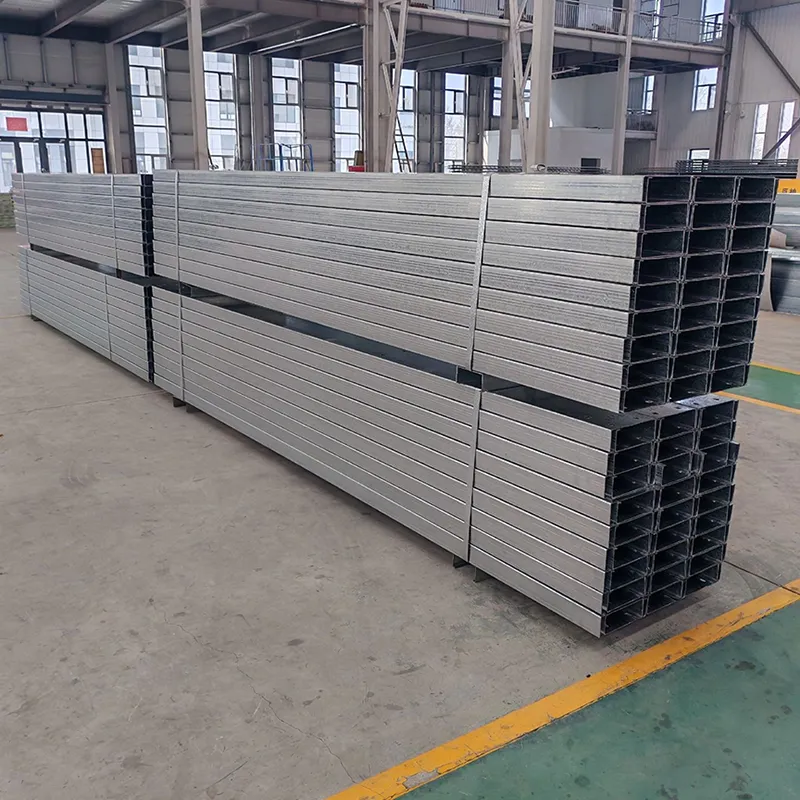
Table of Contents
- What Is Cold Formed Steel Purlin?
- How Does a Cold Formed Steel Purlin Work?
- What Are the Key Benefits?
- What Specifications Should Buyers Consider?
- Where Is It Used?
- How Is It Manufactured?
- What Should Be Considered During Installation?
- How Should You Select the Right Purlin?
- Frequently Asked Questions
What Is Cold Formed Steel Purlin?
A cold-formed steel purlin is a structural steel member manufactured by forming steel strip or sheet into a specific cross-sectional profile at room temperature. Common profiles include C-shaped and Z-shaped sections. The forming process creates a lightweight structural component with a high strength-to-weight ratio and consistent geometry.
In photovoltaic mounting systems, the purlin generally serves as a secondary structural member. It helps connect primary beams and other supporting components while providing a stable surface for fixing solar module arrays. This makes purlin geometry, material strength, connection design, and corrosion protection important considerations during system engineering.
Unlike hot-rolled structural sections that are formed at elevated temperatures, cold-formed profiles are produced without heating the entire steel section to a high forming temperature. Continuous roll forming can therefore deliver repeatable dimensions, precise profiles, and efficient material utilization.
How Does a Cold Formed Steel Purlin Work?
The primary structural purpose of a purlin is to distribute loads between the supported components and the main structural frame. In a solar mounting structure, loads can originate from the weight of photovoltaic modules, wind pressure, snow, maintenance activities, and other environmental conditions specified by the project design.
The cross-sectional geometry has a direct influence on how the steel member behaves under these loads. C and Z profiles can provide useful bending resistance while keeping the amount of steel relatively efficient. Correctly designed connections then transfer forces between purlins, beams, columns, brackets, and module-supporting components.
For this reason, purlins should not be selected based only on dimensions or price. Structural calculations should consider the project span, expected loads, steel grade, connection method, deflection requirements, and applicable engineering standards.
What Are the Key Benefits?
Cold-formed profiles are increasingly used where structural efficiency, repeatable manufacturing, and customization are important. For solar mounting applications, several characteristics make them particularly useful.
- Efficient structural geometry: C and Z profiles can provide useful load-bearing performance while maintaining relatively low structural weight.
- Dimensional consistency: Automated roll forming and precision cutting help maintain profile dimensions and hole positioning.
- Material efficiency: Optimized cross-sections can reduce unnecessary material use when properly engineered.
- Flexible customization: Length, width, height, thickness, holes, and profile configurations can be adapted to project requirements.
- Corrosion protection: Hot-dip galvanized and zinc-aluminum-magnesium coatings can provide enhanced protection for outdoor applications.
- Installation compatibility: Precisely positioned holes can simplify connections with brackets, bolts, and other structural components.
For buyers, these advantages can contribute to more predictable fabrication and installation, particularly when purlins are integrated into standardized photovoltaic mounting designs.
What Specifications Should Buyers Consider?
Specification requirements vary according to structural calculations and project conditions. Typical parameters for Energet Solar's purlin solutions include the following:
| Parameter | Typical Range / Option | Why It Matters |
|---|---|---|
| Profile Type | C or Z | Determines structural geometry and connection arrangement |
| Length | 1000–6000 mm | Influences transportation, span arrangement, and installation |
| Width | 40–80 mm | Supports profile and connection design |
| Height | 50–220 mm | Affects section geometry and bending performance |
| Thickness | 1.8–3.0 mm | Selected according to structural loads and design requirements |
| Carbon Steel | Q235B / Q355B; S235JR / S355JR | Provides different mechanical performance options |
| HDG Coating | 45–120 μm | Provides protection against outdoor corrosion |
| ZAM Options | S250GD + ZAM275; S350GD + ZAM275; S420GD + ZAM275 | Provides an alternative corrosion-resistant coating system |
These figures should be treated as available product options rather than a substitute for project-specific structural calculations. The appropriate profile should always be confirmed according to the actual design loads and applicable standards.
Where Is It Used?
Cold-formed purlins can serve many structural applications because their profile and dimensions can be adapted to different engineering requirements. In the solar industry, common applications include:
- Ground-mounted solar power stations: Purlins can form part of the secondary support structure for large photovoltaic arrays.
- Rooftop photovoltaic systems: They can be incorporated into rooftop mounting structures where accurate dimensions and controlled structural weight are important.
- Solar carports: Purlins can support roofing and photovoltaic modules while integrating with beams and columns.
- Industrial steel buildings: They can function as secondary structural members in steel-frame construction.
- Customized steel structures: Project-specific profiles can be produced according to drawings and engineering requirements.
The actual application should be determined by structural design rather than by product dimensions alone. Wind, snow, seismic conditions, span length, connection details, and installation environment can all influence the required specification.
How Is It Manufactured?
A reliable manufacturing process is essential because small dimensional variations can affect assembly and connection accuracy across a large solar installation. Modern production generally combines continuous forming, automated cutting, punching, inspection, and surface treatment.
Energet Solar uses cold-roll forming, automated punching, laser cutting, and surface-treatment processes for its purlin production. Its manufacturing capabilities include more than 40 production lines, supporting both standard and customized production requirements.
The manufacturing workflow can generally include:
- Selection and inspection of steel strip raw materials.
- Continuous cold-roll forming into the specified C or Z profile.
- Precision punching according to the required hole pattern.
- Accurate cutting to specified lengths.
- Surface treatment such as hot-dip galvanizing or ZAM coating.
- Dimensional and coating inspection.
- Packaging and preparation for transportation.
For large photovoltaic projects, production consistency is particularly important because hundreds or thousands of structural members may need to work together during installation.
What Should Be Considered During Installation?
Even a well-manufactured purlin can experience performance problems if it is incorrectly installed or modified on site. Several practical considerations should therefore be included in the construction plan.
Follow the Designed Span
Do not exceed the engineered installation span simply to reduce the number of structural members. Excessive span can increase deflection and structural stress under wind or snow loads.
Avoid Uncontrolled Cutting and Drilling
Random cutting, drilling, or bending can change the designed cross-section and weaken the structural member. Any required modification should be confirmed with the project engineer or manufacturer.
Protect the Surface Coating
During transportation and installation, avoid unnecessary impacts and scratches. If coating damage occurs, appropriate repair procedures should be followed to limit localized corrosion.
Consider Water Drainage
Outdoor steel members should not be installed in a way that creates unnecessary water-trapping areas. Proper drainage helps reduce long-term moisture exposure and supports coating durability.
Inspect High-Corrosion Environments
Projects located near coastlines or in high-humidity and industrial environments may require enhanced corrosion protection and periodic inspection. The coating system should be selected according to the actual environmental exposure.
How Should You Select the Right Purlin?
Selecting a suitable purlin requires more than comparing profile dimensions. A professional procurement process should connect material specifications with structural requirements and environmental conditions.
- Define the design loads: Establish wind, snow, seismic, dead-load, and other relevant project loads.
- Confirm the structural span: Determine the required distance between supporting members.
- Select the steel grade: Choose a suitable grade based on strength requirements and applicable standards.
- Choose the profile: Compare C and Z configurations according to structural calculations and connection requirements.
- Specify the coating: Consider HDG or ZAM according to environmental exposure and expected service conditions.
- Confirm hole patterns: Accurate hole spacing is important for efficient assembly with brackets and connectors.
- Review manufacturing capability: Confirm that the supplier can maintain dimensional consistency for the required volume.
- Check customization options: CAD-based production can help match project-specific dimensions and connection details.
Working with an experienced cold formed steel purlin manufacturer can simplify specification review, customization, production coordination, and technical support for large-scale projects.
Why Does Manufacturing Quality Matter for Solar Purlins?
Solar mounting systems are exposed to outdoor conditions for many years, so structural components need consistent geometry and appropriate corrosion protection. Manufacturing quality directly affects whether individual purlins can be assembled efficiently and whether the completed structure performs as intended.
Energet Solar combines raw-material control, cold-roll forming, automated punching, dimensional inspection, coating inspection, and final packaging as part of its production process. The company also provides pre-sales engineering consultation, production tracking, and after-sales technical support for customized projects.
For international buyers, this full-cycle approach can be useful when projects require different profile sizes, steel grades, coating specifications, hole arrangements, packaging methods, or delivery schedules.
Frequently Asked Questions About Cold Formed Steel Purlin
What is the difference between cold-formed and hot-rolled purlins?
Cold-formed purlins are shaped from steel strip or sheet through forming at room temperature. They can offer lightweight construction, accurate dimensions, and efficient cross-sectional design. Hot-rolled purlins are produced through high-temperature rolling and may be selected for different structural requirements.
Can Energet Solar manufacture purlins according to drawings?
Yes. Energet Solar supports customized production based on CAD drawings and project-specific requirements. Buyers can provide dimensions, hole patterns, material grades, coating requirements, and other engineering information for technical review.
Are cold-formed purlins suitable for coastal solar projects?
They can be suitable when the steel grade, structural design, and corrosion-protection system are properly selected. Hot-dip galvanized and ZAM-coated options can provide additional corrosion protection for demanding outdoor environments.
What steel grades are available?
Available options include Q235B, Q355B, S235JR, S355JR, as well as selected ZAM-coated grades such as S250GD, S350GD, and S420GD. The appropriate grade should be selected according to structural calculations and project standards.
What industries use these purlins?
Typical applications include ground-mounted solar power stations, rooftop photovoltaic systems, solar carports, industrial steel-frame buildings, and other steel structures requiring secondary load-bearing members.
Can purlin dimensions be customized?
Yes. Customization can include profile dimensions, length, thickness, hole positioning, steel grade, surface treatment, and packaging. The final specification should be confirmed against the project's structural and installation requirements.
Conclusion
A properly engineered purlin can contribute to structural stability, efficient material utilization, installation accuracy, and long-term durability in photovoltaic and steel-frame applications. By combining suitable profile geometry, verified steel grades, appropriate corrosion protection, precision manufacturing, and project-specific engineering, buyers can develop a purlin solution that fits the actual requirements of their structure. If you are planning a solar mounting project and need customized specifications, drawings, coating options, or bulk-order support, contact us at Energet Solar for professional technical consultation and a tailored quotation.
Explore Energet Solar's PV mounting solutions to learn more about structural steel profiles, solar mounting accessories, and customized support systems.