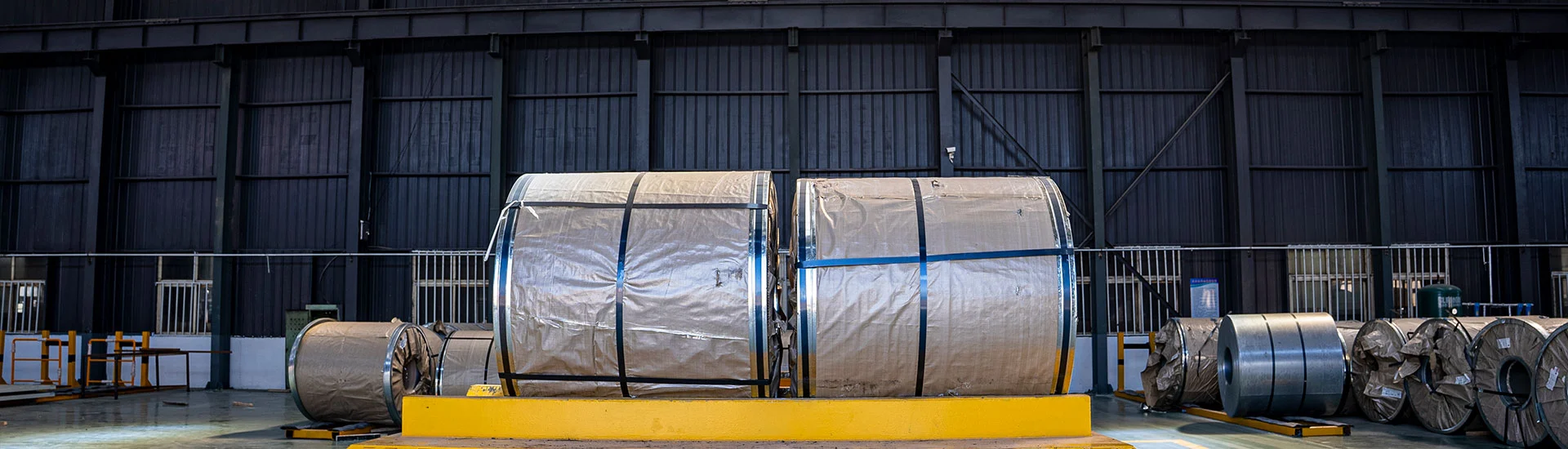
Article Summary: Cold Formed Steel Purlin is an important structural component in modern solar mounting systems and steel-frame construction. By combining efficient cross-sectional design, accurate roll forming, corrosion-resistant coatings, and flexible customization, it can provide reliable support while helping reduce unnecessary structural weight and installation complexity. This article explains how cold formed steel purlins work, where they are used, what factors should be considered during selection, and how proper manufacturing and installation practices can improve long-term structural performance.
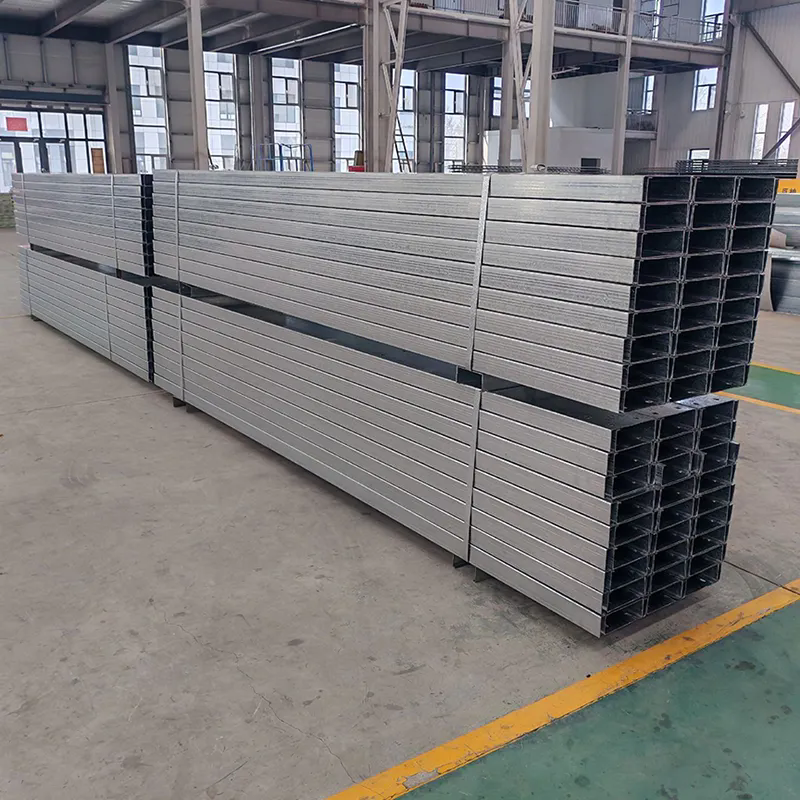
Table of Contents
- What Is Cold Formed Steel Purlin?
- How Does the Purlin Structure Work?
- Why Is Cold Formed Steel Purlin Widely Used?
- Where Is Cold Formed Steel Purlin Used?
- Cold Formed Steel Purlin vs. Traditional Hot-Rolled Sections
- How Should You Select the Right Purlin?
- How Is Cold Formed Steel Purlin Manufactured?
- What Should Be Considered During Installation?
- What Quality Factors Matter Most?
- How Can Service Life Be Improved?
- Why Choose Energet Solar?
- Frequently Asked Questions
- Conclusion
1. What Is Cold Formed Steel Purlin?
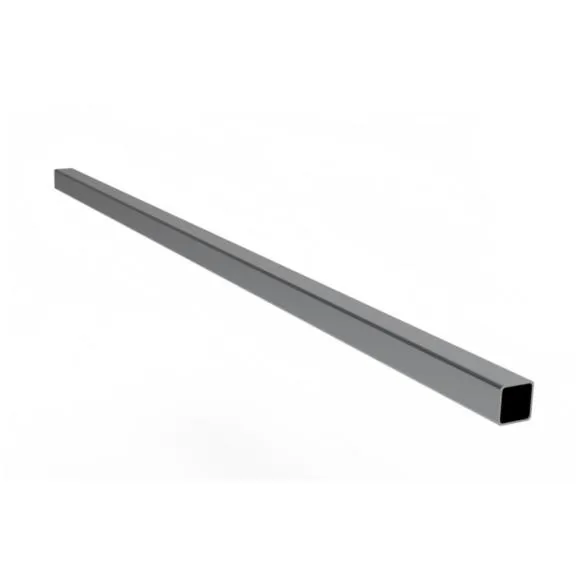
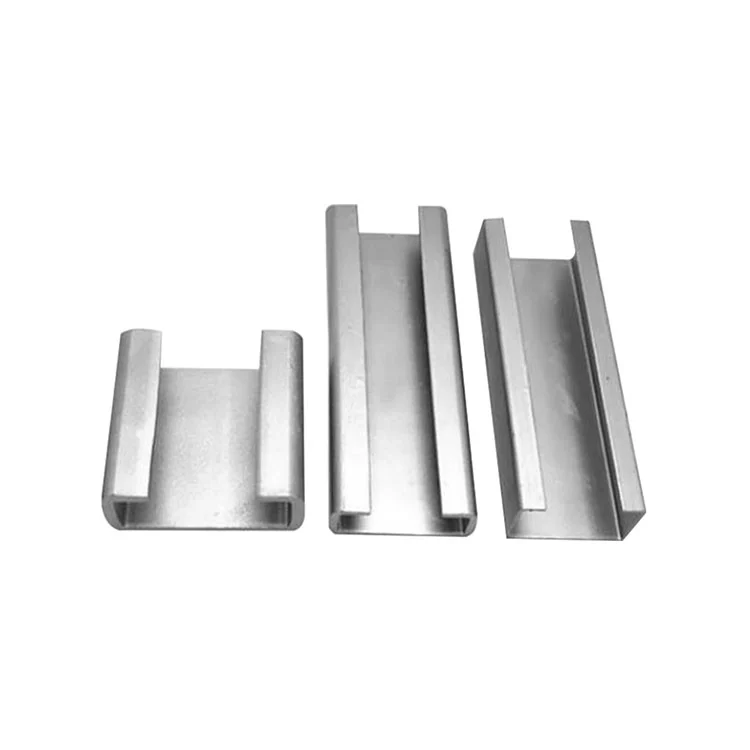
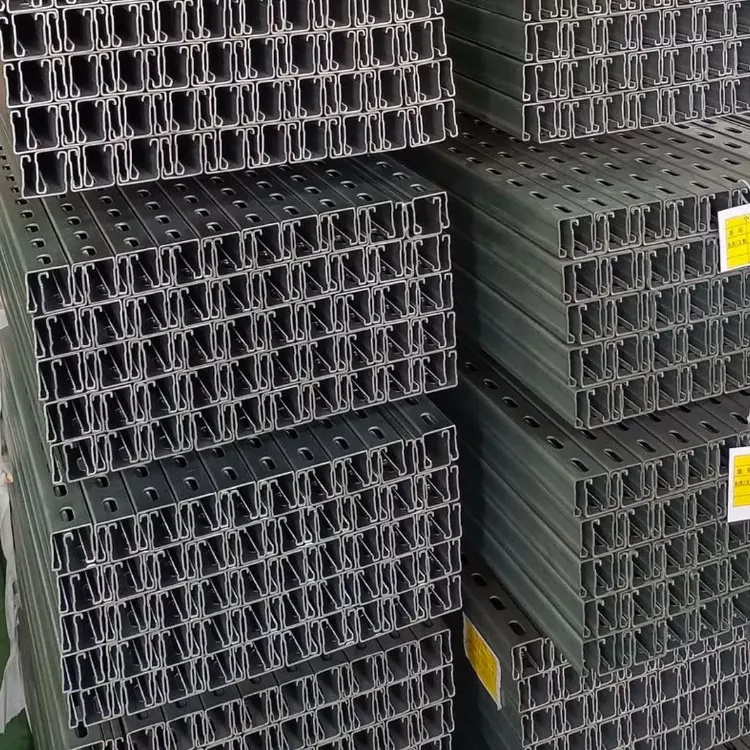
Cold Formed Steel Purlin is a structural steel member manufactured by forming steel strip or sheet into a specific cross-sectional shape at room temperature. Unlike conventional hot-rolled sections, the material does not need to be heated to a high temperature before the forming process. Instead, continuous roll forming gradually bends the steel into the required profile.
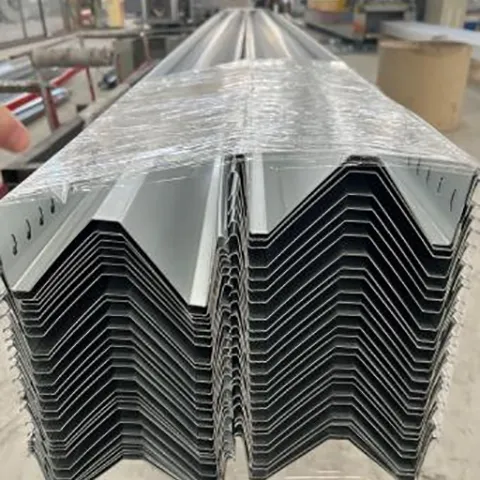
The most common profiles are C-shaped and Z-shaped purlins. Their geometry is designed to provide an efficient balance between structural strength, material consumption, weight, and installation convenience.
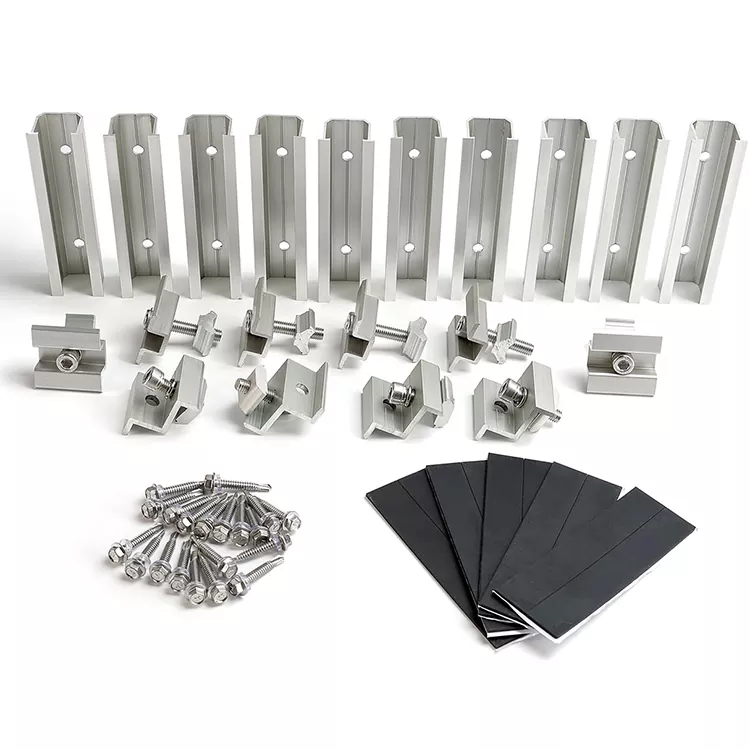
In solar mounting applications, purlins normally function as secondary structural members. They can connect primary support members with photovoltaic mounting components while distributing loads from solar modules, rails, brackets, snow, wind, and other environmental forces into the main structural system.
The performance of a purlin depends on much more than its nominal dimensions. Material grade, thickness, cross-sectional geometry, span, connection method, coating system, hole arrangement, and project loads all influence the final structural result.
For this reason, purchasing the cheapest steel profile based only on price or weight can create problems later. A properly engineered purlin should be selected according to the actual structural requirements of the project.
2. How Does the Purlin Structure Work?
The effectiveness of a Cold Formed Steel Purlin comes largely from its cross-sectional geometry. Instead of using a flat steel strip with limited bending resistance, the steel is formed into a deeper structural profile.
The increased section depth can improve resistance to bending around the relevant structural axis without requiring a proportionally large increase in material. Depending on the design, lips, flanges, webs, and stiffening features can work together to improve section efficiency.
In a typical solar structure, the load path can be understood as:
- Solar modules receive environmental and operational loads.
- Mounting rails or supporting components transfer these loads to secondary structural members.
- Cold formed steel purlins distribute the loads along the structural frame.
- Primary beams and columns transfer the loads toward the foundation or supporting structure.
This means the purlin is not an isolated component. Its dimensions and connection details must work together with the rest of the structure.
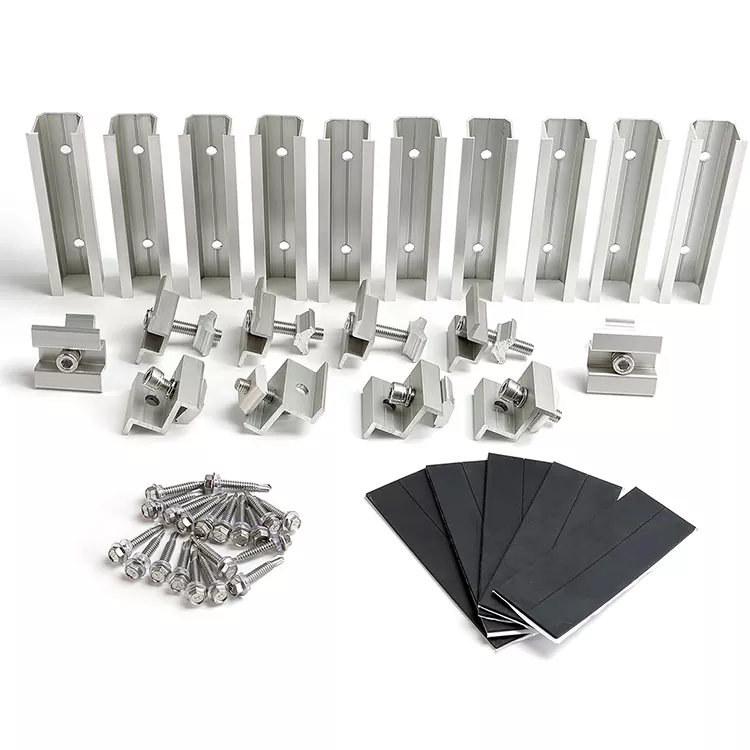
For large photovoltaic installations, consistent hole locations are particularly important. Accurate punching allows bolts, brackets, and other components to align correctly, reducing unnecessary adjustment during assembly.
3. Why Is Cold Formed Steel Purlin Widely Used?
Modern construction projects are increasingly concerned with structural efficiency, installation speed, material utilization, and long-term durability. Cold formed steel purlins can address several of these requirements simultaneously.
- Efficient structural geometry: Formed sections can provide useful bending performance without relying on excessively heavy steel sections.
- Accurate dimensions: Continuous roll forming can produce consistent section geometry across large production batches.
- Flexible customization: Length, thickness, profile dimensions, and hole patterns can be adapted to project requirements.
- Installation efficiency: Factory-produced holes and standardized dimensions can simplify field assembly.
- Good material utilization: The cross-sectional profile can be optimized for the intended structural application.
- Corrosion protection: Galvanized and advanced metallic coating systems can improve resistance to environmental exposure.
- Broad application range: The same general purlin concept can be used in photovoltaic systems, carports, industrial buildings, and other steel structures.
These advantages become particularly valuable when a project contains hundreds or thousands of repeated structural components. Small dimensional inconsistencies or installation difficulties can become significant when multiplied across a large site.
4. Where Is Cold Formed Steel Purlin Used?
Cold formed purlins are suitable for numerous structural applications where efficient secondary support is required. Their use is especially visible in photovoltaic construction.
| Application | Typical Structural Role | Key Requirement |
|---|---|---|
| Ground-Mounted Solar Projects | Supports and connects secondary PV structural components | Wind resistance, dimensional consistency, corrosion protection |
| Rooftop PV Systems | Provides secondary support within the mounting framework | Low structural weight and reliable connections |
| Solar Carports | Supports photovoltaic arrays within steel carport structures | Strength, durability, appearance, and installation efficiency |
| Industrial Buildings | Acts as a secondary steel framing member | Load capacity and long-term dimensional stability |
| General Steel Structures | Supports beams, columns, panels, and other structural elements | Correct profile selection and connection design |
For solar applications, environmental conditions deserve special attention. Projects in coastal regions, areas with high humidity, or locations exposed to aggressive atmospheric conditions may require enhanced surface protection compared with projects in dry inland environments.
5. Cold Formed Steel Purlin vs. Traditional Hot-Rolled Sections
Cold formed and hot-rolled steel members are not direct substitutes in every structural application. The correct choice depends on the load case, span, geometry, design standards, and project economics.
| Factor | Cold Formed Steel Purlin | Traditional Hot-Rolled Section |
|---|---|---|
| Manufacturing Method | Room-temperature roll forming | High-temperature rolling and shaping |
| Profile Flexibility | High flexibility for customized sections | Often based on standardized rolled profiles |
| Dimensional Customization | Suitable for project-specific dimensions | Generally selected from available standard sections |
| Weight Optimization | Efficient for many secondary structural applications | Can be advantageous for heavier load requirements |
| Typical Application | Secondary framing, solar mounting, light steel structures | Heavy structural frames and demanding load applications |
The important point is that neither manufacturing method is automatically superior for every project. Structural engineers should evaluate the complete load path and applicable design requirements before selecting a section.
6. How Should You Select the Right Purlin?
Selecting a Cold Formed Steel Purlin should begin with engineering requirements rather than simply choosing a popular profile. Several parameters need to be evaluated together.
1. Determine the design loads
Wind, snow, equipment loads, dead loads, and other applicable forces should be considered. Solar projects in high-wind or heavy-snow regions may require significantly different structural specifications from projects in mild climates.
2. Confirm the span and spacing
The distance between supports directly affects bending behavior and deflection. A profile that performs adequately at a short span may not be appropriate for a longer unsupported distance.
3. Select the material grade
Common structural steel grades may include Q235B, Q355B, S235JR, and S355JR, while galvanized structural grades such as S250GD, S350GD, or S420GD may be considered depending on the application and applicable standards.
4. Choose an appropriate thickness
Thickness affects structural capacity, weight, fabrication requirements, and cost. Increasing thickness is not always the most economical solution if the section geometry can be optimized more effectively.
5. Evaluate corrosion exposure
Galvanized steel and ZAM-type coatings can provide enhanced surface protection. The appropriate coating should be selected according to atmospheric exposure, expected service life, maintenance strategy, and project requirements.
6. Check connection requirements
Bolt holes, slot dimensions, hole spacing, edge distances, and connection hardware should be compatible with the mounting system. Factory punching can be valuable when the project uses standardized connection layouts.
7. How Is Cold Formed Steel Purlin Manufactured?
A reliable purlin begins with controlled raw material and a stable manufacturing process. Although exact production procedures vary by manufacturer, the general process includes several important stages.
- Raw material preparation: Steel coils or strips are checked for grade, dimensions, surface condition, and mechanical requirements.
- Roll forming: The strip passes through a sequence of forming stations that progressively create the required C or Z profile.
- Precision punching: Connection holes can be produced according to the specified drawings and installation pattern.
- Cutting: The continuous profile is cut to the required lengths.
- Dimensional inspection: Key dimensions, hole positions, straightness, and surface condition are checked.
- Surface protection: Depending on the selected material and manufacturing route, corrosion-resistant coating systems are applied or supplied as part of the steel material.
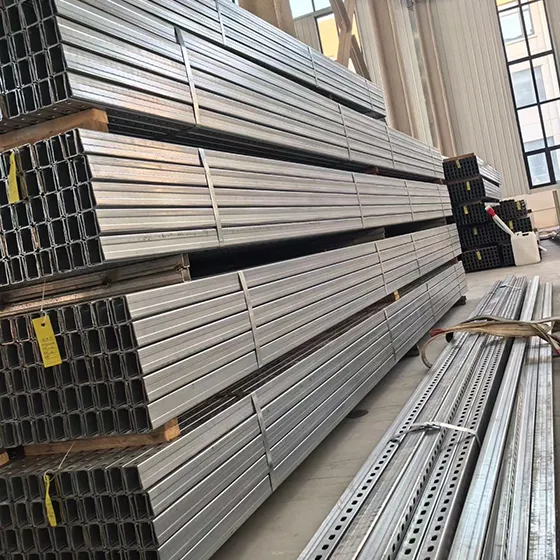
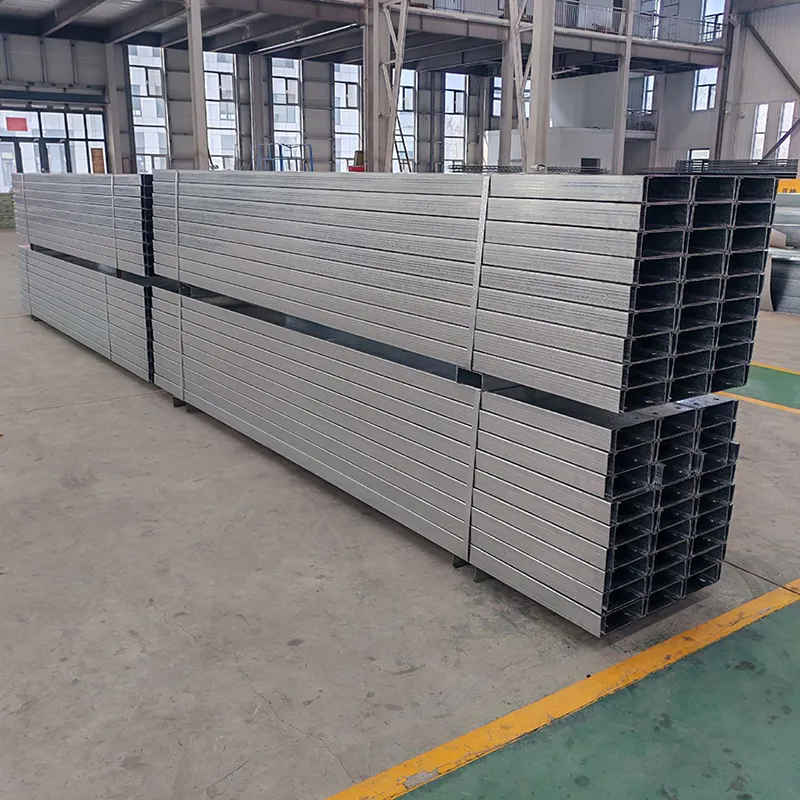
- Packaging: Finished purlins are bundled and protected for transportation and handling.
Automation is particularly useful for high-volume PV projects because it helps maintain repeatability. When a project requires thousands of similar pieces, stable production tolerances can make a substantial difference to installation efficiency.
8. What Should Be Considered During Installation?
Even a high-quality purlin can underperform if it is incorrectly installed. Construction teams should follow approved drawings and the structural engineer's requirements instead of making uncontrolled field modifications.
- Avoid unnecessary cutting: Cutting structural members at the construction site can change their designed geometry and may compromise performance.
- Avoid unauthorized drilling: Additional holes can reduce effective section properties and may interfere with connection design.
- Maintain correct spacing: Purlin spacing should correspond to the approved structural design.
- Use compatible fasteners: Fasteners should be suitable for the structural materials and environmental conditions.
- Protect the surface: Scratches and impact damage to protective coatings should be repaired appropriately.
- Control water accumulation: Structural detailing should avoid conditions that allow water to remain trapped around steel members.
- Verify alignment: Straightness and positioning should be checked before final tightening of connections.
Installation quality is especially important for photovoltaic systems because the structural frame may remain exposed to wind, rain, temperature changes, and solar radiation for many years.
9. What Quality Factors Matter Most?
When purchasing Cold Formed Steel Purlin, buyers should evaluate the complete product rather than focusing only on unit price.
| Quality Factor | Why It Matters | What Buyers Should Check |
|---|---|---|
| Steel Grade | Influences strength and structural behavior | Material documentation and specified grade |
| Thickness | Affects section capacity and durability | Measured thickness and tolerances |
| Profile Dimensions | Directly influence structural performance | Web, flange, lip, and overall dimensions |
| Hole Position | Determines connection compatibility | Hole diameter, spacing, and alignment |
| Coating | Helps protect steel from corrosion | Coating type, specification, and surface condition |
| Straightness | Influences installation and structural alignment | Visual and dimensional inspection |
| Production Consistency | Important for large-volume construction | Batch inspection and manufacturing controls |
10. How Can Service Life Be Improved?
Proper material selection is only the beginning of long-term performance. The structural system should also be inspected periodically, particularly in harsh environments.
For coastal and high-humidity projects, attention should be given to coating condition, connection points, cut edges, accumulated moisture, and areas where dissimilar metals may come into contact.
Maintenance teams should look for:
- Visible corrosion or coating deterioration.
- Scratches or mechanical damage to protective surfaces.
- Loose or damaged fasteners.
- Unexpected deformation or local buckling.
- Water accumulation around structural connections.
- Changes in alignment or structural geometry.
Early inspection can identify minor issues before they develop into expensive structural or maintenance problems. The inspection interval should reflect the project's environment, exposure level, design requirements, and maintenance plan.
11. Why Choose Energet Solar?
Energet Solar provides Cold Formed Steel Purlin solutions for photovoltaic mounting systems and steel structures, including C-shaped and Z-shaped profiles. Its product range supports both standard requirements and project-specific configurations.
Available specifications can be adapted across parameters such as length, width, height, thickness, material grade, coating, and punching arrangement. This flexibility is useful for EPC contractors, solar mounting system manufacturers, distributors, and project developers who need structural members that match their existing system design.
Typical product dimensions can be configured according to project requirements, with representative options covering lengths from approximately 1,000 to 6,000 mm, widths of about 40 to 80 mm, heights of approximately 50 to 220 mm, and thicknesses around 1.8 to 3.0 mm. Final specifications should always be confirmed against engineering calculations and project drawings.
Energet Solar also emphasizes manufacturing consistency through processes such as roll forming, automated punching, precision cutting, dimensional inspection, and quality control. For customized projects, production can be coordinated according to technical drawings and specified connection requirements.
For international solar projects, this type of manufacturing flexibility can help reduce the need for on-site modifications and make component integration more predictable.
12. Frequently Asked Questions
Q1: What is the main purpose of a Cold Formed Steel Purlin?
A Cold Formed Steel Purlin is generally used as a secondary structural member to support and distribute loads within steel structures. In photovoltaic systems, it can connect primary structural members with solar mounting components and help support the module array.
Q2: Are C purlins and Z purlins interchangeable?
Not necessarily. Their cross-sectional geometry and connection characteristics differ, so the appropriate profile should be selected according to the structural design, span, loading conditions, and connection arrangement.
Q3: Can Cold Formed Steel Purlins be customized?
Yes. Depending on the manufacturer's production capabilities, dimensions, lengths, thicknesses, hole patterns, and other specifications can be customized according to engineering drawings and project requirements.
Q4: Are Cold Formed Steel Purlins suitable for solar power plants?
Yes. They are widely applicable to ground-mounted photovoltaic systems, rooftop solar structures, solar carports, and other PV support applications when the section is properly designed for the project's loads and environmental conditions.
Q5: What coating is suitable for outdoor applications?
Hot-dip galvanized and advanced zinc-aluminum-magnesium coating systems are commonly considered for outdoor steel applications. The appropriate option depends on environmental exposure, required service life, project specifications, and applicable standards.
Q6: Can the purlin be drilled or cut during installation?
Unplanned field modification should generally be avoided. Cutting or drilling can change the designed section properties and compromise corrosion protection. Any modification should follow the approved engineering instructions.
Q7: What information should I provide when requesting a quotation?
Useful information includes the required profile, dimensions, thickness, steel grade, coating specification, length, hole pattern, quantity, application, project location, and available technical drawings. Providing complete information allows the supplier to recommend a more suitable configuration.
Q8: How can I reduce installation problems with purlins?
Use accurate drawings, consistent dimensions, properly positioned factory holes, compatible fasteners, and clearly defined installation procedures. Confirming the connection details before production can prevent many field problems.
13. Conclusion
Cold Formed Steel Purlin has become an important structural solution for modern solar mounting systems and lightweight steel construction because it combines efficient section geometry, dimensional consistency, customization flexibility, and practical installation advantages.
However, selecting the right purlin is not simply a matter of choosing a C or Z profile. Project loads, span, spacing, material grade, thickness, corrosion environment, connection design, manufacturing tolerances, and installation conditions all need to be considered together.
For large photovoltaic projects, these details become even more important because thousands of structural components may need to work together under long-term environmental exposure. A well-designed and properly manufactured purlin system can help improve structural reliability while reducing unnecessary material consumption and installation difficulties.
With customized Cold Formed Steel Purlin manufacturing, technical support, and production capabilities for solar mounting applications, Energet Solar can help customers develop practical structural solutions based on their project requirements. If you are planning a solar mounting system, steel-frame project, or customized structural application, contact us today to discuss your drawings, specifications, coating requirements, quantities, and delivery needs.