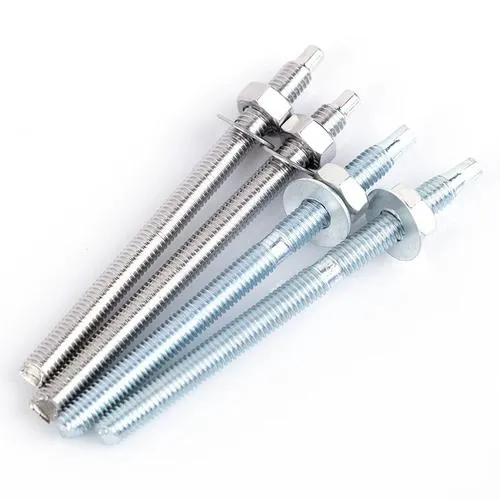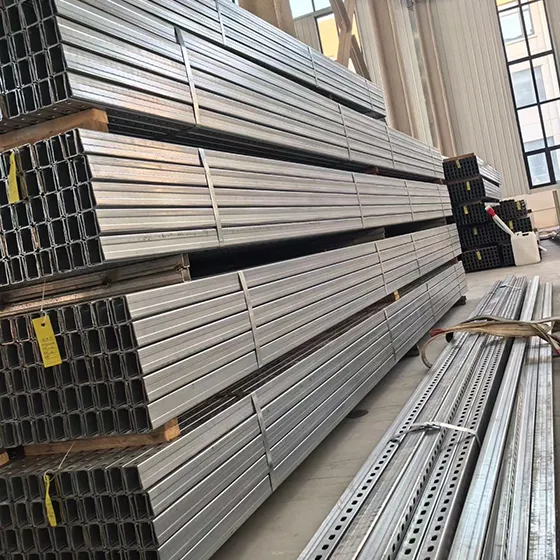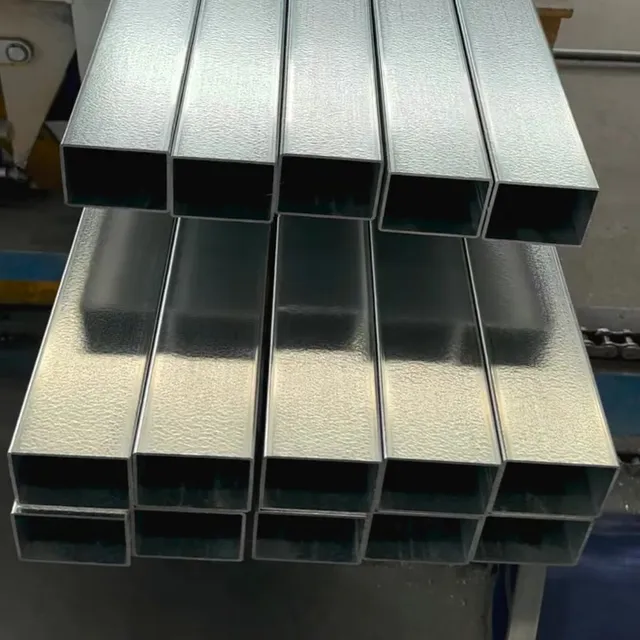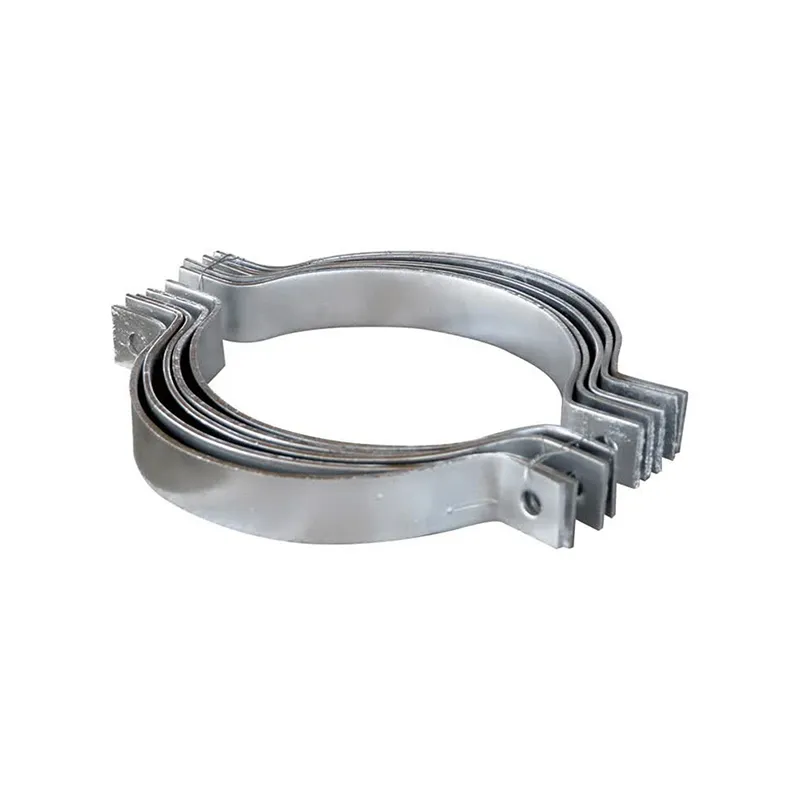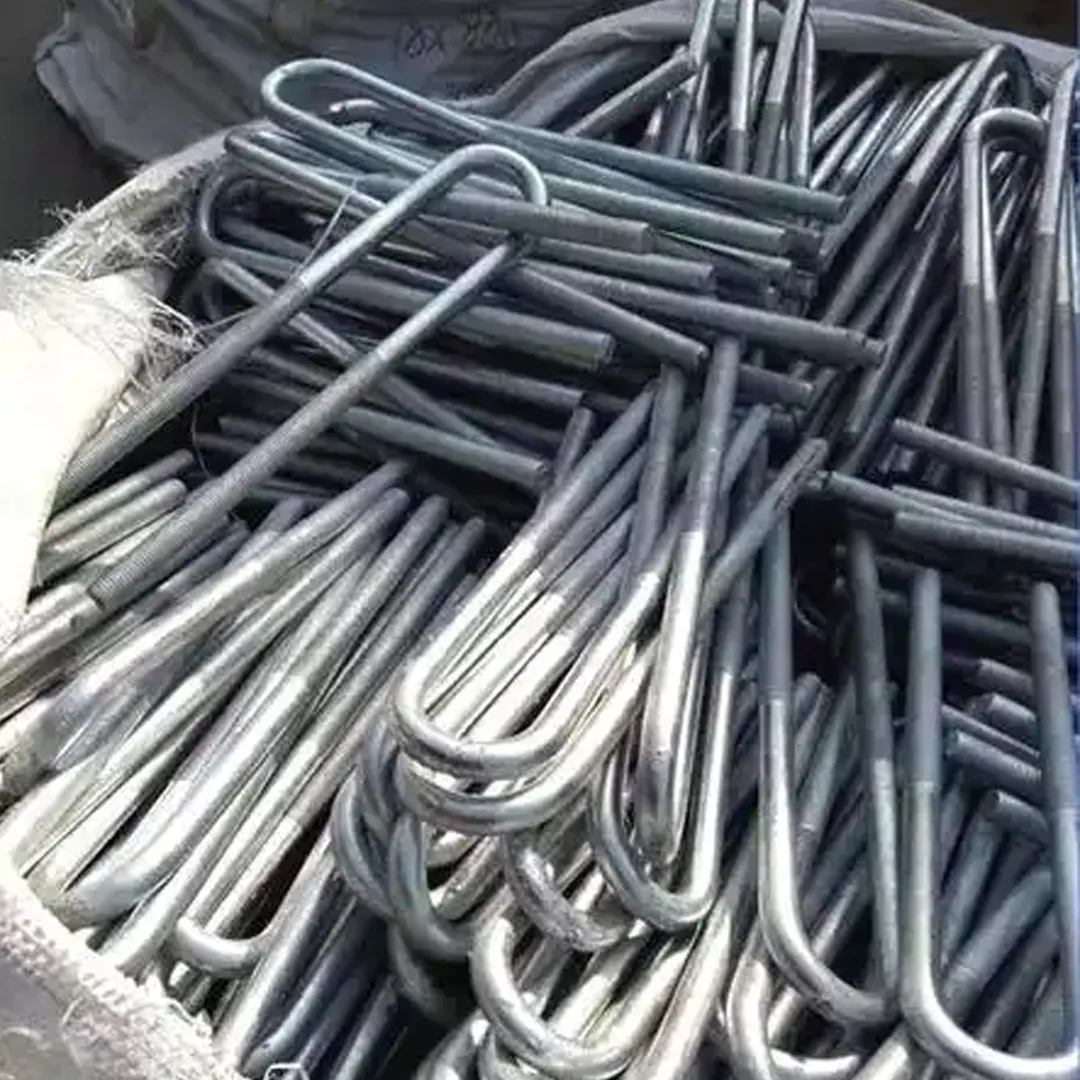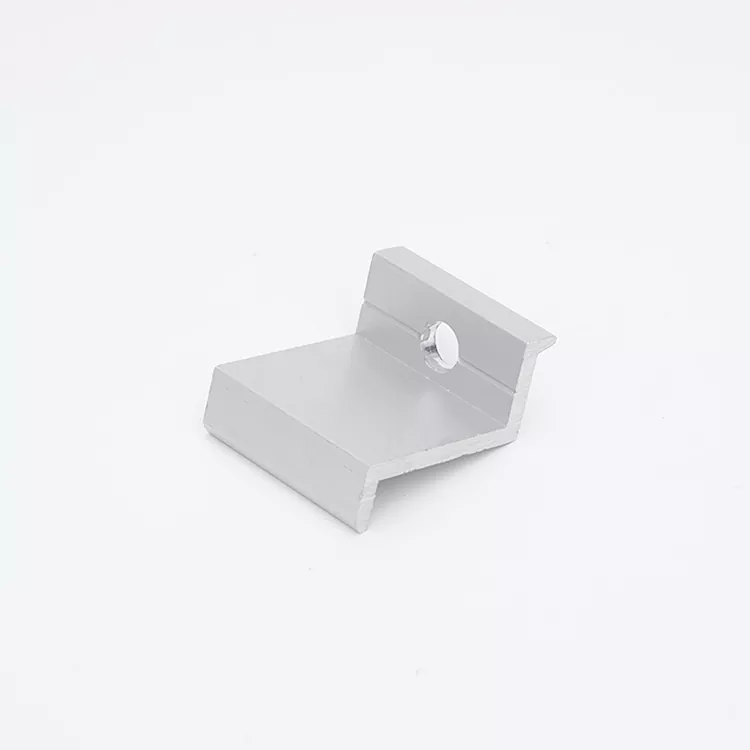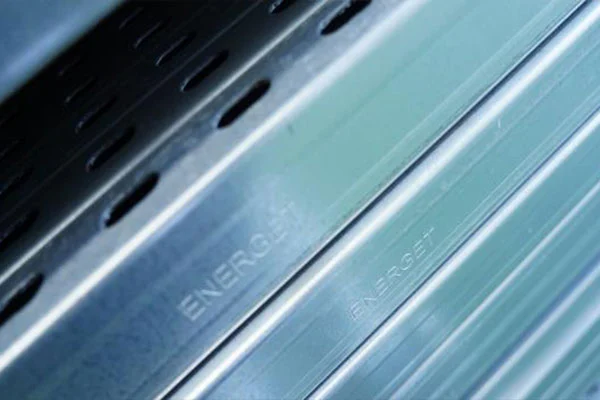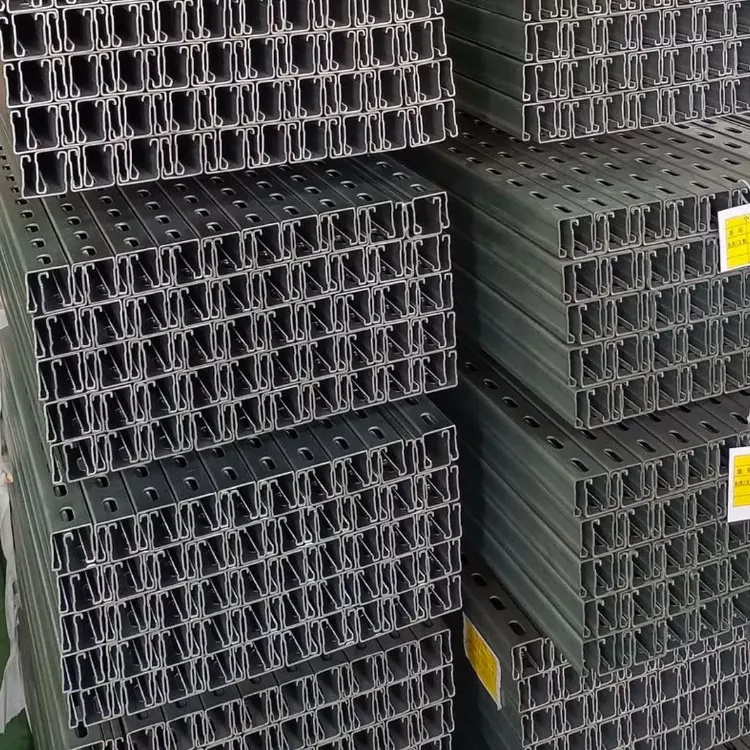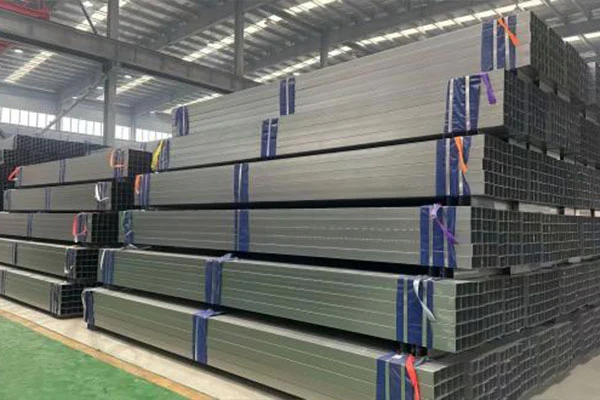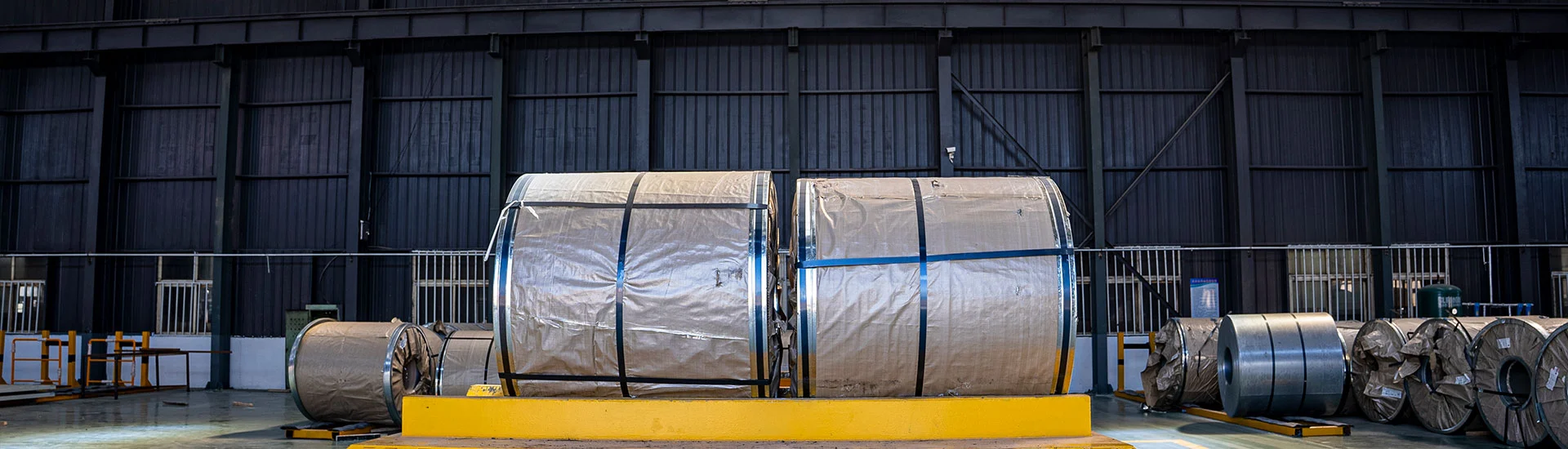
For solar mounting systems exposed to moisture, salt spray, strong UV radiation, and temperature changes, material durability is essential. Energet provides Self-healing ZAM Steel Pipe engineered with a zinc-aluminum-magnesium alloy coating to protect steel structures from localized corrosion and improve long-term outdoor performance.
Steel pipes used in photovoltaic mounting structures must withstand years of outdoor exposure while maintaining structural integrity. Scratches, friction marks, cutting damage, and installation-related coating defects can create vulnerable points where corrosion begins. Self-healing ZAM Steel Pipe addresses this challenge through an advanced Zn-Al-Mg coating that can form a protective barrier around minor damaged areas. Compared with conventional galvanized steel pipe, this technology offers improved corrosion resistance, better environmental adaptability, lower maintenance requirements, and greater construction fault tolerance.
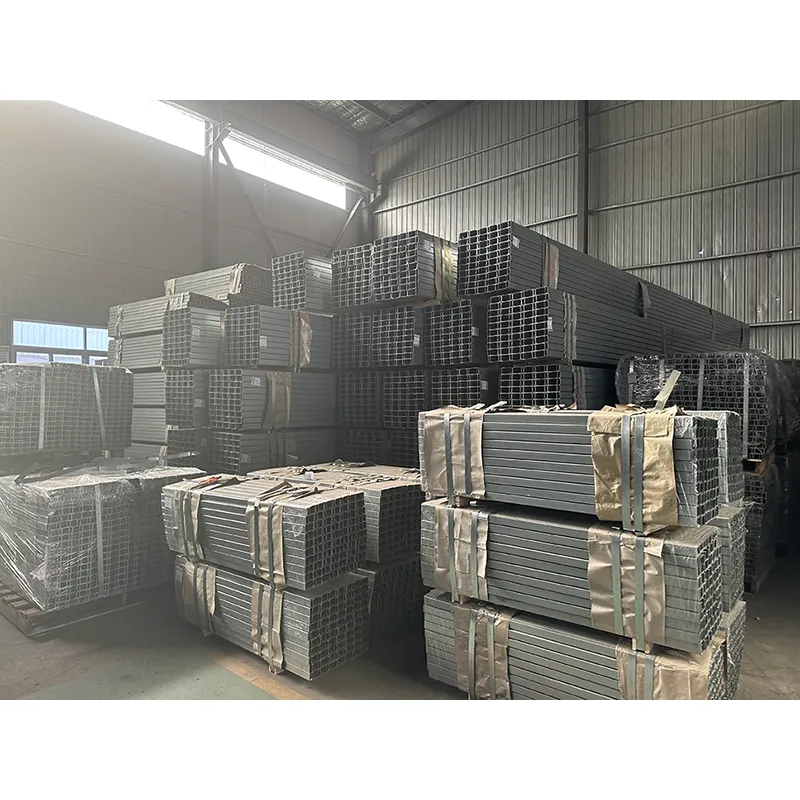
Table of Contents
- What Is Self-healing ZAM Steel Pipe?
- How Does the Self-healing Coating Work?
- What Are the Main Advantages?
- How Does ZAM Steel Pipe Compare with Conventional Galvanized Steel?
- Where Can Self-healing ZAM Steel Pipe Be Used?
- How Is It Manufactured?
- Can the Pipe Be Customized for Different Projects?
- What Do Real-World Applications Demonstrate?
- How Does Quality Assurance Support Long-Term Reliability?
- Frequently Asked Questions
What Is Self-healing ZAM Steel Pipe?
Self-healing ZAM Steel Pipe is a structural steel pipe protected by a zinc-aluminum-magnesium alloy coating. The combination of zinc, aluminum, and magnesium creates a highly protective surface designed to reduce corrosion propagation when minor coating damage occurs.
This characteristic is especially important in photovoltaic construction. During transportation, drilling, fastening, cutting, and installation, even carefully handled steel components can develop small scratches or friction marks. With conventional coatings, these exposed areas can become starting points for localized rust. A ZAM coating is designed to respond to minor damage by forming a dense protective layer around the affected area.
Energet manufactures these pipes for photovoltaic mounting structures and other outdoor steel frameworks where corrosion resistance and service durability are critical. The product can be engineered according to project requirements, including structural loading, environmental conditions, pipe dimensions, and installation methods.
How Does the Self-healing Coating Work?
The key feature of ZAM technology is the behavior of the zinc-aluminum-magnesium alloy coating after minor surface damage. When scratches or small coating defects expose a vulnerable area, alloy elements can react and reorganize around the damaged position.
This process helps create a new protective barrier that limits the contact between the underlying steel and environmental moisture or oxygen. Instead of allowing a small scratch to rapidly become a larger corrosion site, the coating provides an additional mechanism for reducing localized corrosion.
- Minor surface damage occurs: Scratches or friction marks may appear during handling and installation.
- Alloy elements react around the damaged area: Zinc, aluminum, and magnesium contribute to the formation of protective corrosion products.
- A protective barrier develops: The affected area becomes less exposed to moisture and air.
- Corrosion propagation is reduced: The risk of localized rust spreading is reduced.
This self-protective characteristic makes ZAM steel particularly attractive for applications where maintenance access is difficult or where corrosion exposure is severe.
What Are the Main Advantages?
Choosing the right steel pipe is not simply a matter of initial material cost. For large photovoltaic projects, engineers and developers also need to consider installation conditions, corrosion risk, maintenance requirements, replacement costs, and expected service life.
The main advantages of Self-healing ZAM Steel Pipe include:
- Active protection against minor damage: The ZAM coating can form a protective layer around scratches and small coating defects.
- Strong corrosion resistance: The alloy coating is designed for demanding outdoor environments, including coastal and high-humidity locations.
- Improved environmental adaptability: The material can be applied in areas exposed to high salinity, strong UV radiation, wind, and significant temperature changes.
- Reduced maintenance: Better corrosion protection can reduce the frequency of rust removal, coating repair, and component replacement.
- Better construction tolerance: Minor installation-related coating damage does not necessarily become an immediate corrosion failure point.
- Long-term economic value: A higher-performance coating can help reduce lifecycle maintenance and replacement costs.
For photovoltaic mounting structures, these benefits can be particularly valuable because structural components are expected to remain outdoors for many years with limited opportunities for routine maintenance.
How Does ZAM Steel Pipe Compare with Conventional Galvanized Steel?
Hot-dip galvanized steel remains widely used for outdoor steel structures, but ZAM technology offers specific advantages when corrosion conditions become more demanding.
| Performance Factor | Conventional Galvanized Steel Pipe | Self-healing ZAM Steel Pipe |
|---|---|---|
| Basic Corrosion Protection | Good | Excellent |
| Protection Around Minor Scratches | Limited | Enhanced self-protective behavior |
| Coastal Environment | Suitable with appropriate specification | Highly suitable for high-salinity conditions |
| High-Humidity Environment | Good | Excellent |
| UV and Temperature Variation | Good | Enhanced environmental adaptability |
| Maintenance Requirements | Moderate | Lower potential lifecycle maintenance |
| Large PV Projects | Widely used | Well suited to demanding PV applications |
The most important difference is not simply the coating composition but how the coating behaves after minor damage. This makes ZAM technology particularly useful where steel components experience frequent handling, installation friction, or difficult environmental exposure.
Where Can Self-healing ZAM Steel Pipe Be Used?
The combination of structural strength and corrosion resistance makes this type of pipe suitable for numerous photovoltaic and outdoor infrastructure applications.
Utility-scale Solar Power Plants
Large ground-mounted PV projects contain extensive steel structures that remain outdoors for decades. Using corrosion-resistant structural components can help reduce lifecycle maintenance and support long-term system reliability.
Coastal Photovoltaic Projects
Salt spray and high humidity can accelerate corrosion. ZAM steel pipe is particularly valuable in coastal solar installations where conventional protective systems may face greater environmental stress.
Solar Carports
Solar carports require structurally reliable steel frameworks while remaining exposed to rain, humidity, UV radiation, and temperature variations. ZAM-coated pipes provide a strong option for these outdoor structures.
High-altitude Solar Projects
High-altitude regions can combine strong wind, intense UV exposure, low temperatures, and large temperature differences. A corrosion-resistant steel system helps protect structural components against long-term environmental degradation.
Industrial and Agricultural Structures
Industrial facilities, agricultural PV systems, humid-area distributed solar installations, and other outdoor frameworks can also benefit from improved corrosion protection.
How Is It Manufactured?
Performance begins with manufacturing consistency. Energet's production process combines structural steel preparation, precision pipe processing, ZAM coating technology, and inspection procedures.
The pipes use high-purity base steel and are manufactured through seamless rolling and fixed-length precision cutting. This approach helps achieve consistent wall thickness, smooth internal and external surfaces, reduced burrs, and strong overall structural integrity.
Energet operates four modern production facilities covering more than 100,000 m², with more than 40 production lines and substantial raw-material reserves. The facilities include roll forming, laser cutting, stamping, and high-frequency pipe welding equipment.
- Structural steel preparation
- Precision pipe forming
- Zinc-aluminum-magnesium alloy coating
- Fixed-length cutting
- Dimensional inspection
- Coating inspection
- Welding inspection
- Finished-product inspection
Can the Pipe Be Customized for Different Projects?
Yes. Solar mounting projects rarely have identical structural and environmental requirements. A suitable steel pipe should be selected according to structural loads, project location, corrosion conditions, installation methods, and applicable engineering standards.
Energet provides customized manufacturing options for:
- Pipe diameter
- Wall thickness
- Pipe length
- Coating weight or thickness
- Hole punching
- End processing
- Special packaging
- Structural steel grade
Available structural steel grades include Q235B and Q355B, with other equivalent grades available according to project requirements. Engineering support can also consider wind load, snow load, environmental salinity, corrosion class, and installation conditions.
What Do Real-World Applications Demonstrate?
90MW Coastal PV Project in Southeast Asia
One reported application involved a 90MW photovoltaic project in Southeast Asia characterized by high salinity, heavy rainfall, and strong UV exposure. Conventional steel pipes had developed localized rust and coating peeling after approximately one year.
After adopting Self-healing ZAM steel pipes, installation-related minor scratches were able to benefit from the protective behavior of the ZAM coating. According to the project case, after three years of continuous operation there was no reported rust or corrosion failure, while the structural performance remained intact.
High-altitude Wind-Solar Complementary Project
Another application involved a high-altitude wind-solar complementary project in western China. The system faced strong wind friction and significant temperature differences. The ZAM steel pipes were used to withstand long-term environmental exposure while supporting the stability of the mounting structure.
These examples demonstrate why material selection should consider the complete operating environment rather than only the initial purchase price.
How Does Quality Assurance Support Long-Term Reliability?
For structural components used in large solar projects, consistent manufacturing quality is essential. Energet applies a multi-stage inspection process covering raw materials, dimensions, coatings, welding, and finished products before shipment.
The company's quality management and production capabilities include internationally recognized management systems and manufacturing standards applicable to its products and projects.
- ISO 9001:2015 Quality Management System
- ISO 14001:2015 Environmental Management System
- ISO 45001:2018 Occupational Health and Safety Management System
- EN1090-1 compliance for applicable photovoltaic mounting products
- Construction Products Regulation compliance for applicable products
- SGS Gold Plus Supplier recognition following independent factory auditing
Founded in 2015, Energet Solar specializes in photovoltaic mounting systems and structural components. Its manufacturing network supports large-scale production while maintaining quality control and project customization capabilities.
Frequently Asked Questions
1. What is Self-healing ZAM Steel Pipe?
It is structural steel pipe protected by a zinc-aluminum-magnesium alloy coating. The coating is designed to provide enhanced corrosion protection and form a protective barrier around minor scratches or damaged areas.
2. Is ZAM steel pipe better than galvanized steel pipe?
For demanding outdoor applications, ZAM-coated steel can provide improved protection against localized corrosion and harsh environmental exposure. It is especially attractive for coastal, humid, industrial, and large-scale solar projects where long-term corrosion resistance is important.
3. Where is Self-healing ZAM Steel Pipe commonly used?
Typical applications include utility-scale solar mounting systems, ground-mounted PV plants, solar carports, agrivoltaic projects, industrial and commercial PV structures, coastal photovoltaic installations, and other outdoor steel frameworks.
4. Can the dimensions be customized?
Yes. Customized diameter, wall thickness, length, coating specifications, hole punching, end processing, packaging, and other project-specific requirements can be supported.
5. Which steel grades are available?
Q235B and Q355B are commonly available structural steel grades, while other equivalent grades may be considered according to project requirements.
6. Is ZAM steel suitable for coastal solar farms?
Yes. Its enhanced corrosion protection makes it particularly suitable for coastal photovoltaic environments characterized by salt spray, high humidity, and prolonged outdoor exposure.
Conclusion
As photovoltaic projects move toward longer service lives and increasingly challenging installation environments, corrosion-resistant structural materials are becoming an important part of lifecycle engineering. Self-healing ZAM Steel Pipe combines structural steel strength with an advanced Zn-Al-Mg coating designed to reduce localized corrosion, improve environmental adaptability, and lower long-term maintenance requirements. For utility-scale solar farms, coastal PV systems, solar carports, high-altitude installations, and other demanding outdoor structures, it can provide a practical approach to improving structural durability and lifecycle value.
If you are sourcing a reliable Self-healing ZAM Steel Pipe manufacturer or supplier in China, Energet can support customized pipe specifications, coating requirements, structural engineering considerations, production, inspection, packaging, and project-specific technical requirements. Contact us today to discuss your solar mounting project and receive a customized quotation and technical solution.