News
How Does a Solar Fasteners Kit Improve PV Installation Reliability?
A photovoltaic mounting system is only as dependable as the connections that hold its structural components together. A properly selected Solar Fasteners Kit can simplify procurement, improve installation consistency, reduce fastening errors, and provide dependable mechanical performance in demanding outdoor environments. This article explains how solar fastener kits work, what components they typically contain, how to select suitable materials and coatings, and which factors project developers and installers should evaluate before purchasing. It also examines applications for ground-mounted, rooftop, carport, and agrivoltaic systems and explains how Energet Solar Solution supports customized fastening requirements.
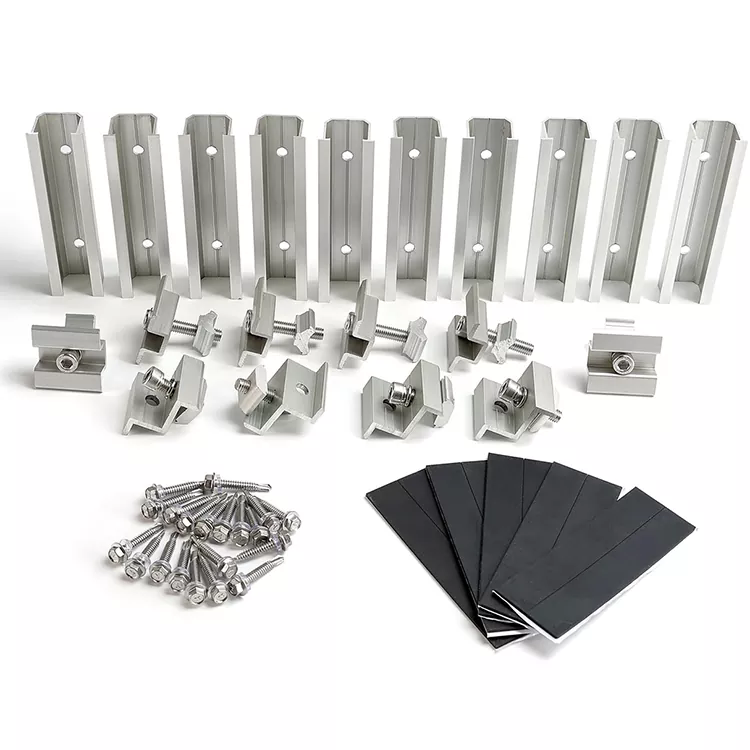
Table of Contents
- Article Outline
- Why Are Solar Fasteners Important in PV Systems?
- What Does a Solar Fasteners Kit Usually Include?
- How Does a Solar Fasteners Kit Solve Common Installation Problems?
- How Should Fastener Materials Be Selected?
- How Do Surface Treatments Affect Outdoor Performance?
- Where Can Solar Fasteners Kits Be Used?
- How Should You Select the Right Solar Fasteners Kit?
- What Should Installers Check During Installation?
- How Does Quality Control Affect Fastener Reliability?
- When Is a Customized Fasteners Kit Necessary?
- Solar Fasteners Kit Selection Guide
- Frequently Asked Questions
- Conclusion
Article Outline
- Understand the role of fastening hardware in photovoltaic mounting structures.
- Identify the components and materials commonly used in a complete kit.
- Evaluate corrosion resistance according to climate and installation location.
- Match the fastener configuration with the mounting structure.
- Improve construction efficiency through standardized component matching.
- Establish practical inspection and quality-control procedures.
- Determine when OEM or project-specific customization is beneficial.
Why Are Solar Fasteners Important in PV Systems?
Solar panels are designed to operate for many years, but the modules themselves are only one part of a photovoltaic installation. The mounting structure must continuously withstand wind, rain, temperature changes, vibration, humidity, and other environmental loads. Fasteners are the mechanical elements that connect many of these structural components and maintain the integrity of the assembly.
This makes fastener selection more important than it may initially appear. An unsuitable bolt, nut, washer, coating, or thread configuration can create installation difficulties and may contribute to loosening or corrosion over time.
A Solar Fasteners Kit addresses this challenge by grouping compatible fastening components into a coordinated package. Instead of sourcing every bolt, nut, washer, and related accessory separately, installers can receive a matched set designed around the requirements of a particular mounting system.
For large solar projects, this approach can provide practical advantages:
- More consistent component specifications.
- Fewer procurement items to manage.
- Reduced risk of mixing incompatible hardware.
- More predictable installation procedures.
- Easier inventory control at the construction site.
- Better coordination between mounting components and fastening hardware.
The objective is not simply to supply more hardware. The objective is to provide the right hardware combination for a specific photovoltaic structure and operating environment.
What Does a Solar Fasteners Kit Usually Include?
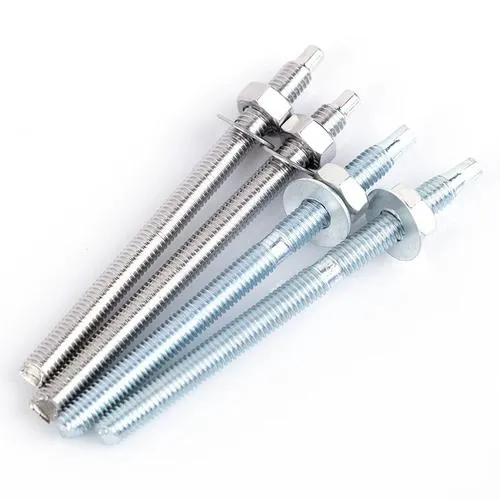
The exact configuration of a solar fastening kit depends on the mounting system, module design, structural profile, installation method, and project requirements. However, a typical kit can contain several fundamental components.
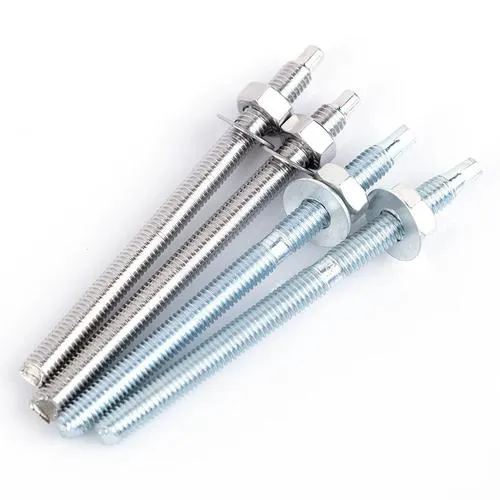
| Component | Typical Function | Selection Consideration |
|---|---|---|
| Bolts | Connect structural components and mounting profiles | Thread size, length, strength grade, material |
| Nuts | Secure threaded connections | Thread compatibility and locking requirements |
| Flat Washers | Distribute clamping force | Diameter, thickness, material |
| Spring Washers | Assist with connection stability | Application and assembly requirements |
| T-Bolts | Connect components within compatible mounting channels | Channel geometry and thread specification |
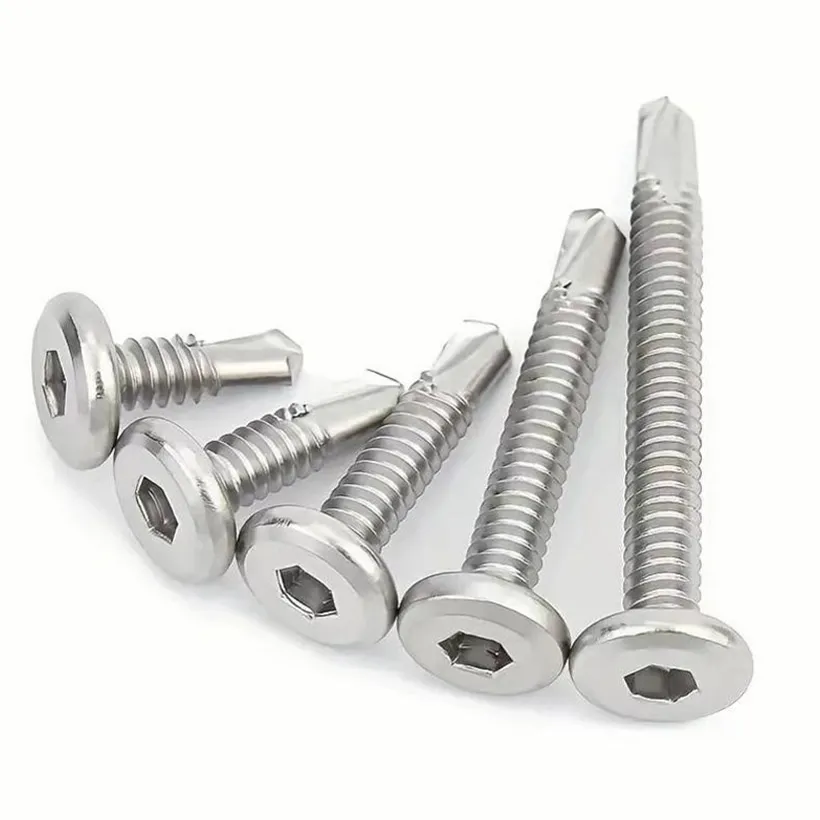
| Self-Drilling Screws | Secure selected structural or sheet components | Substrate, coating, length and application |
| Sealing Washers | Support weather-resistant connections where required | Roofing material and environmental exposure |
A complete kit should not be judged only by the number of pieces it contains. Compatibility between components is equally important. Thread dimensions, material combinations, washer dimensions, surface treatment, and structural requirements all need to be considered together.
How Does a Solar Fasteners Kit Solve Common Installation Problems?
Although a solar project may contain thousands of individual fastening points, each connection needs to be assembled correctly. Procurement and installation problems can become significant when hardware is purchased from multiple sources without coordinated specifications.
1. It reduces procurement complexity.
Purchasing individual components can require installers to compare multiple suppliers, specifications, packaging units, and delivery schedules. A matched kit consolidates commonly required hardware into a single procurement solution.
2. It reduces component mismatch.
Using bolts and nuts with incompatible dimensions can slow construction and create avoidable installation problems. Pre-matched kits help maintain consistency across the project.
3. It improves site organization.
Large photovoltaic installations require efficient material handling. Clearly classified kits make it easier for construction teams to identify the hardware needed for each assembly stage.
4. It supports repeatable installation.
When the same fastening configuration is used throughout a mounting array, installers can follow a more standardized procedure rather than making individual component decisions at every connection.
5. It helps control long-term corrosion risks.
Fasteners installed outdoors are exposed to moisture, temperature fluctuations, pollutants, and, in coastal regions, salt-laden air. Selecting suitable materials and surface treatments is therefore essential for long-term service.
How Should Fastener Materials Be Selected?
Material selection should begin with the structural design and environmental conditions rather than price alone. Different projects may require carbon steel, stainless steel, aluminum alloy components, or combinations designed to minimize corrosion risks.
| Material | Typical Characteristics | Potential Application |
|---|---|---|
| Carbon Steel | High mechanical strength and broad availability | Many conventional mounting structures |
| Stainless Steel | Strong corrosion resistance | Humid, coastal, and demanding environments |
| SUS304 | Common stainless-steel option for outdoor fastening | General PV mounting applications |
| SUS316 | Enhanced resistance for more corrosive environments | Coastal and high-salinity applications |
| Aluminum Alloy | Lightweight and suitable for compatible aluminum structures | Aluminum mounting systems |
Material compatibility should also be considered. When dissimilar metals are placed together in a suitable electrolyte and exposed to outdoor conditions, galvanic corrosion can become a concern. For this reason, the complete connection should be evaluated rather than selecting each component independently.
How Do Surface Treatments Affect Outdoor Performance?
Surface treatment provides an additional layer of protection for metal fasteners exposed to the elements. The appropriate treatment depends on the base material, climate, expected service conditions, structural requirements, and project specifications.
- Hot-dip galvanizing: Provides a durable zinc coating and is widely used for outdoor steel components.
- ZAM coating: Provides corrosion protection suitable for demanding outdoor applications and can be considered for projects requiring enhanced environmental resistance.
- Zinc plating: Provides corrosion protection for suitable applications where environmental exposure is controlled.
- Anodizing: Commonly used for aluminum components to improve surface protection and durability.
- Stainless steel: Provides inherent corrosion resistance without relying on a conventional protective coating.
Coating selection should not be based on appearance. A fastener that looks suitable may not provide the required performance in a marine or high-humidity environment. Project location, expected service life, and structural requirements should be evaluated before final selection.
Where Can Solar Fasteners Kits Be Used?
A properly configured kit can support many types of photovoltaic mounting systems. The fastening requirements may differ between applications, but the basic objective remains the same: create reliable mechanical connections while simplifying installation.
Ground-Mounted Solar Projects
Utility-scale and commercial ground-mounted arrays contain extensive steel or aluminum structures with numerous fastening points. Standardized kits can help construction teams maintain consistent hardware across large arrays.
Rooftop PV Systems
Rooftop systems often place greater emphasis on compact installation, compatibility with roof structures, and weather-resistant connections. Fastener selection must account for the roof construction and mounting method.
Solar Carports
Solar carports combine structural requirements with outdoor exposure. Their mounting connections need to accommodate the geometry of the supporting framework while maintaining reliable fastening under wind and weather conditions.
Agrivoltaic Projects
Agrivoltaic installations can be exposed to moisture, dust, agricultural chemicals, and changing environmental conditions. Corrosion resistance and component compatibility therefore deserve particular attention.
Distributed Residential Solar
Smaller PV systems can also benefit from pre-matched hardware because installers can reduce time spent sorting individual components and focus on the assembly process.
How Should You Select the Right Solar Fasteners Kit?
Choosing the correct kit requires more than specifying a bolt diameter. A practical selection process should consider the entire mounting system.
- Identify the mounting structure. Determine whether the system uses steel, aluminum, or another structural configuration.
- Confirm connection dimensions. Check thread size, bolt length, washer dimensions, profile geometry, and required connection type.
- Evaluate environmental exposure. Consider humidity, rainfall, salt exposure, temperature changes, industrial pollution, and other local conditions.
- Determine the required material. Select carbon steel, stainless steel, aluminum alloy, or another suitable option according to the design.
- Select the surface treatment. Match galvanizing, ZAM, zinc plating, anodizing, or stainless-steel construction to the operating environment.
- Calculate quantities carefully. Include the number of modules, mounting rails, clamps, structural connections, and planned spare components.
- Confirm project standards. Verify that the selected hardware satisfies applicable engineering specifications and project requirements.
For large projects, it is particularly useful to provide mounting drawings or connection specifications to the supplier. This allows the fastener configuration to be matched to the actual structure rather than relying on assumptions.
What Should Installers Check During Installation?
Even high-quality fasteners can perform poorly when installation practices are inconsistent. Before construction begins, the project team should establish clear procedures for handling and installing the hardware.
- Check that bolts, nuts, and washers match the approved specifications.
- Keep different sizes and configurations clearly separated.
- Inspect fasteners for visible damage, contamination, or coating defects.
- Use appropriate tools for tightening.
- Follow the mounting system manufacturer's specified tightening requirements.
- Avoid unnecessary over-tightening that could damage components.
- Verify that connections are fully seated and properly aligned.
- Inspect representative connections during construction.
- Maintain records for quality-control and project documentation.
Correct installation is especially important because a fastener's rated mechanical properties do not automatically guarantee reliable field performance. The connection must be designed, assembled, and inspected as a complete system.
How Does Quality Control Affect Fastener Reliability?
Consistency is essential when thousands of fastening components are supplied for one solar project. Variations in dimensions, threads, material quality, or surface treatment can create problems during installation and operation.
A professional manufacturing process can include multiple inspection stages, such as:
- Raw material verification.
- Dimensional inspection.
- Thread inspection.
- Surface and coating inspection.
- Mechanical performance checks where required.
- Packaging and quantity verification.
- Final batch inspection before shipment.
Energet Solar Solution provides Solar Fasteners Kits with coordinated configurations for photovoltaic mounting applications. Its product information indicates support for carbon steel, stainless steel, and aluminum alloy options, together with surface treatments such as hot-dip galvanizing, ZAM coating, zinc plating, and anodizing.
For project buyers, quality assurance should also include documentation. Inspection records, material information, specifications, and batch documentation can make receiving inspection and project traceability more efficient.
When Is a Customized Fasteners Kit Necessary?
Not every photovoltaic project uses the same structural profiles or connection methods. A standard kit may be sufficient for common installations, but customized configurations can be useful when the project has unusual structural dimensions, environmental requirements, or packaging needs.
Customization may involve:
- Different bolt lengths.
- Specific thread sizes.
- Special washer dimensions.
- Alternative materials.
- Higher corrosion resistance.
- Specific surface treatments.
- Project-specific quantities.
- Special packaging and labeling.
- OEM branding requirements.
- Pre-matched hardware for a particular mounting structure.
For example, a coastal project may require a different corrosion-protection strategy from an inland installation. Similarly, an aluminum mounting structure may require careful consideration of material compatibility to reduce galvanic corrosion concerns.
Energet Solar Solution supports customized configurations based on project requirements, allowing buyers to communicate mounting drawings, specifications, quantities, and environmental conditions before production.
Solar Fasteners Kit Selection Guide
| Project Condition | Recommended Consideration | Main Reason |
|---|---|---|
| Dry inland environment | Standard corrosion-protected steel hardware | Balances mechanical performance and cost |
| High-humidity environment | Enhanced coating or stainless steel | Improves resistance to moisture exposure |
| Coastal environment | SUS316 or suitable high-performance coating | Addresses higher salt exposure |
| Aluminum mounting structure | Compatible aluminum/stainless fastening solution | Helps manage material compatibility |
| Utility-scale solar plant | Standardized bulk kit configuration | Improves procurement and site efficiency |
| Customized PV structure | Project-specific OEM configuration | Matches unique structural requirements |
Frequently Asked Questions
1. What is a Solar Fasteners Kit?
A Solar Fasteners Kit is a coordinated set of fastening components used to connect and secure parts of a photovoltaic mounting system. Depending on the project, it may include bolts, nuts, washers, T-bolts, screws, sealing washers, and other related hardware.
2. Why use a complete kit instead of purchasing fasteners separately?
A complete kit simplifies procurement and helps ensure that the supplied components are dimensionally compatible. It can also make inventory management, packaging, transportation, and on-site installation more efficient.
3. Are Solar Fasteners Kits suitable for rooftop systems?
Yes. Properly configured kits can be used for residential, commercial, and industrial rooftop PV systems. The specific hardware should be selected according to the roof structure and mounting solution.
4. Which material is best for solar fasteners?
There is no single material that is best for every project. Carbon steel, stainless steel, and aluminum alloy each have different characteristics. Environmental exposure, mechanical requirements, mounting structure, and project specifications should determine the final selection.
5. Are stainless steel fasteners suitable for coastal solar projects?
Stainless steel can be a suitable choice for demanding environments, with grades such as SUS316 often considered where chloride and salt exposure is significant. The complete connection should still be evaluated for material compatibility and structural requirements.
6. Can a Solar Fasteners Kit be customized?
Yes. Customized kits can be configured according to drawings, mounting profiles, connection dimensions, materials, coatings, quantities, packaging requirements, and other project specifications.
7. How should fastener quantities be calculated?
Quantity calculations should begin with the number of modules and structural connection points. Buyers should also account for clamps, rails, structural joints, installation methods, replacement requirements, and an appropriate quantity of project spares.
8. What should buyers ask a fastener supplier before placing an order?
Important questions include material grade, dimensions, surface treatment, corrosion resistance, quality inspection procedures, packaging method, customization capability, documentation, lead time, and compatibility with the selected PV mounting system.
Conclusion
A reliable photovoltaic installation requires more than high-quality solar modules. Every structural connection contributes to the overall stability of the mounting system, making fastener selection an important part of project planning.
A properly configured Solar Fasteners Kit can reduce procurement complexity, improve component consistency, simplify installation, and help photovoltaic structures maintain dependable mechanical connections in outdoor environments. The right solution should account for mounting-system design, fastener dimensions, material compatibility, corrosion exposure, installation requirements, project quantity, and applicable specifications.
For projects that require standard or customized fastening configurations, Energet Solar Solution can provide coordinated Solar Fasteners Kits for different photovoltaic mounting applications. By evaluating the project structure and operating environment before production, buyers can obtain hardware that is better aligned with their installation requirements.
Planning a solar mounting project and need a matched fastening solution? Share your drawings, specifications, required quantities, or environmental conditions with Energet Solar Solution. For professional product matching, customized configurations, and project support, contact us today and discuss your Solar Fasteners Kit requirements with our team.
Related News
- Why Is Self-healing ZAM Steel Pipe Becoming a Smarter Choice for Long-Life Solar Structures
- Why Is a Transverse Steel Water Gutter Essential for Reliable Solar PV Drainage
- How Can Self-healing ZAM Steel Pipe Deliver Longer-Lasting Corrosion Protection for Solar Structures
- How Does Cold Formed Steel Purlin Improve the Strength and Efficiency of Solar Structures?
- What Types of Ground Solar Fasteners Are Used in Solar Projects?
- How Can Structural Steel Shape Improve the Strength and Efficiency of Solar Mounting Structures?
Leave me a message