Products
Zinc Aluminum Magnesium Coated Rectangular Tube
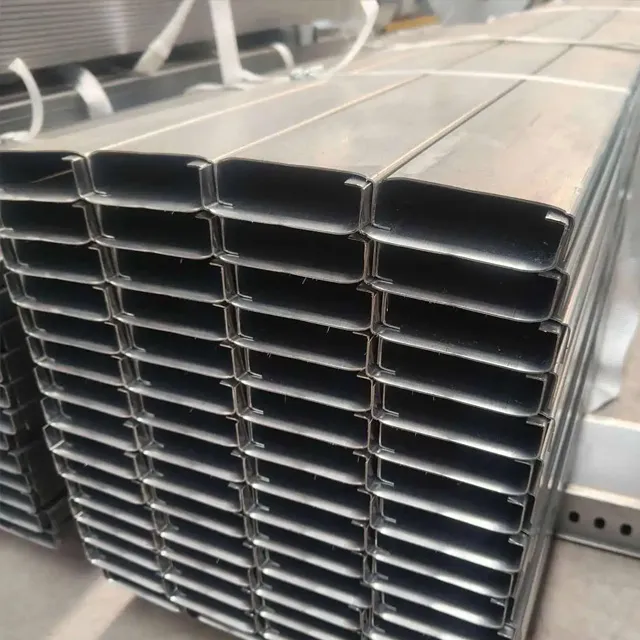
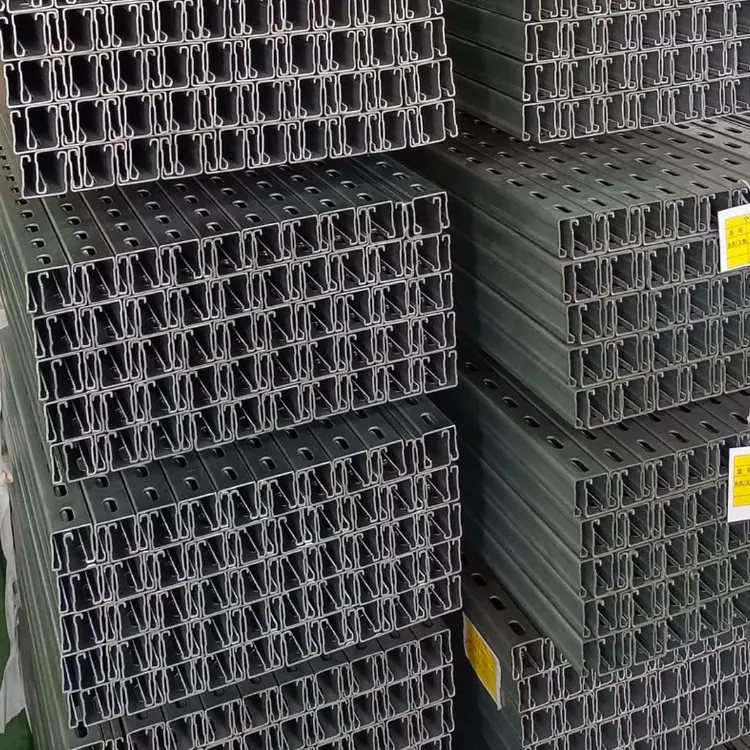
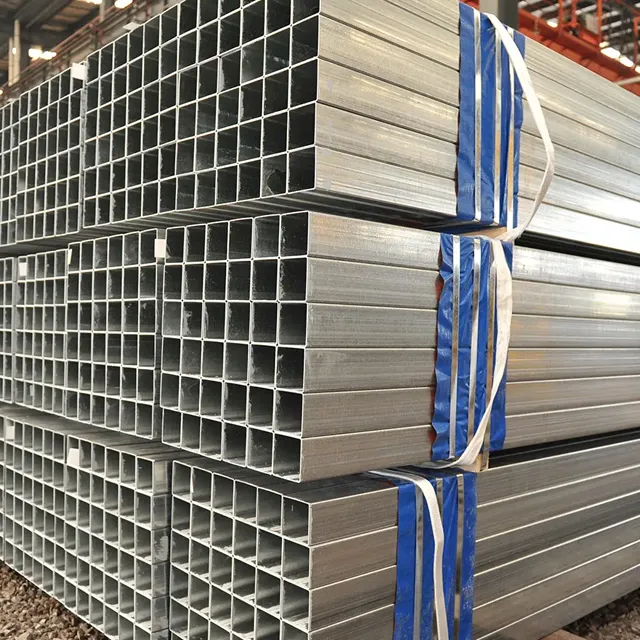
Yizhao Company holds full CE, ISO, and SGS certifications and specializes in the production of zinc aluminum magnesium coated rectangular tubes. Manufactured through the cold-forming of low-carbon steel (such as Q235B) into rectangular sections and finished with a hot-dip zinc-aluminum-magnesium alloy coating, these tubes not only meet the high flexural strength requirements for structural supports—such as columns and beams—but also provide long-term resistance against corrosion in coastal, high-humidity, and saline-alkali environments.
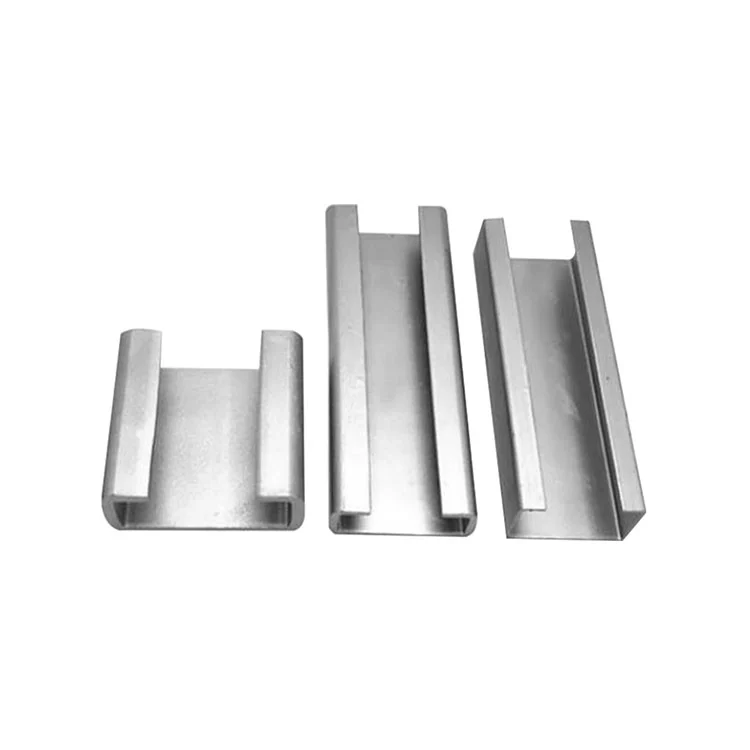
Zinc aluminum magnesium coated rectangular tubes are anti-corrosive structural components featuring a rectangular cross-section and a hot-dip galvanized ternary alloy coating (zinc, aluminum, and magnesium). Distinguished from circular tubes by their rectangular geometry, and from standard black steel or pure-zinc galvanized pipes by their specialized Zn-Al-Mg coating, these tubes leverage the properties of magnesium—which forms a dense passivation layer on the surface—to significantly enhance resistance against salt spray, humidity, and alkaline corrosion. They are inherently well-suited for prefabricated construction; on-site assembly typically utilizes bolts, clamps, and triangular connectors rather than extensive welding or cutting. This approach preserves the integrity of the protective coating, ensuring that both load-bearing capacity and corrosion resistance are fully addressed before the product even leaves the factory.
Key Advantages
High Load-Bearing Capacity with Greater Material Efficiency
Support structures—such as columns and beams—are subject to complex stress, including both compression and bending. Rectangular sections offer superior moment of inertia and flexural rigidity compared to circular tubes or angle steel of the same weight. Consequently, they can achieve the same load-bearing capacity with thinner walls and a lighter overall profile, resulting in a lighter support structure, reduced foundation loads, and lower total steel consumption. For large-scale projects, this translates directly into cost savings in terms of both the price per ton and the total volume of steel required.
Superior Long-Term Value (Total Life-Cycle Cost)
While the unit price of zinc aluminum magnesium coated rectangular tubes may be slightly higher than that of standard galvanized pipes, they offer significant advantages: a thinner coating, the ability to use thinner-walled base steel, the elimination of secondary galvanizing, a longer service life, and reduced maintenance requirements. When evaluating the total life-cycle cost—factoring in procurement, construction delays, ongoing maintenance (such as touch-up painting), and potential replacement costs—these tubes often prove far more economical for long-term projects. For procurement teams and project owners focused on the "bottom line," this provides a more accurate cost comparison than simply looking at the price per ton.
Resistant to Salt Spray, Humidity, and Alkali Corrosion – Extending Service Life
In environments characterized by high humidity, salinity, alkalinity, or industrial pollutants—such as coastal regions—zinc-aluminum-magnesium (Zn-Al-Mg) coatings offer significantly longer corrosion resistance than standard hot-dip galvanized coatings. For projects in highly corrosive settings—including coastal power plants, aquaculture facilities, and chemical industrial parks—this technology transforms the lifespan of mounting structures from a cycle of "frequent repairs and touch-ups every few years" to "25 years with minimal maintenance," proving more cost-effective in the long run.
Technical Specifications
Packaging Process
Precise Sorting and Kitting:
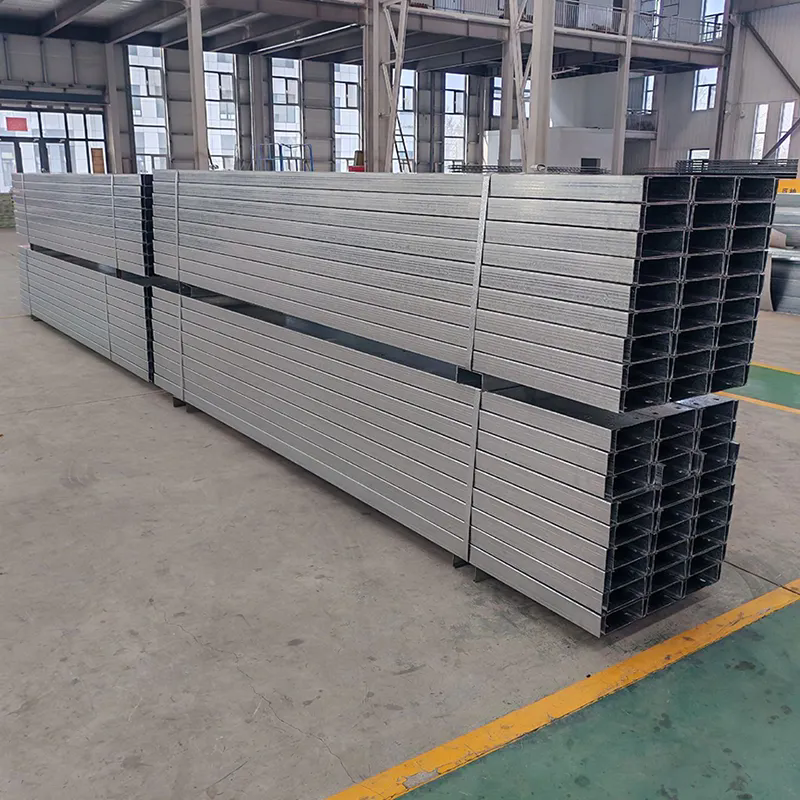
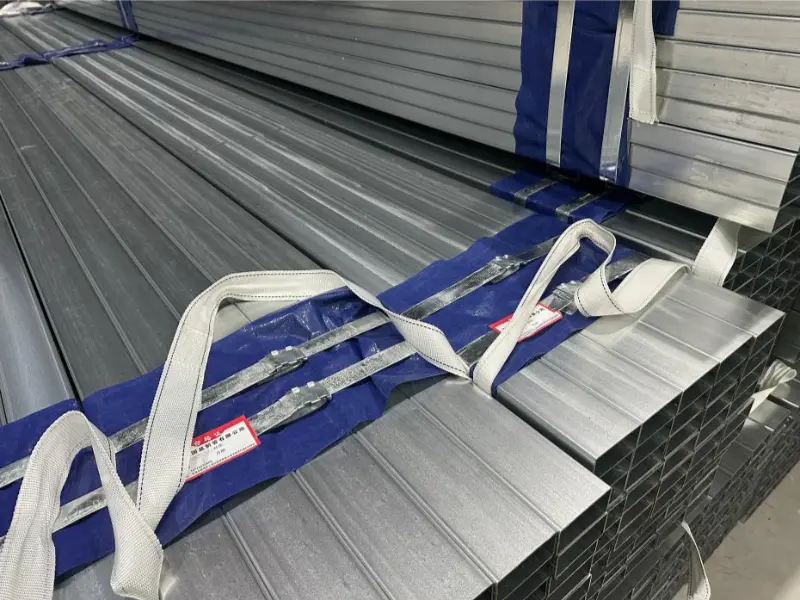
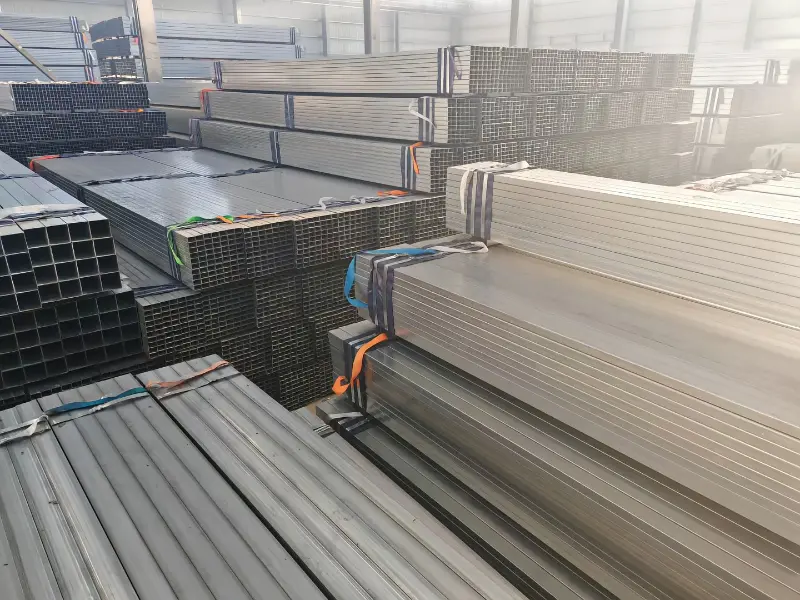
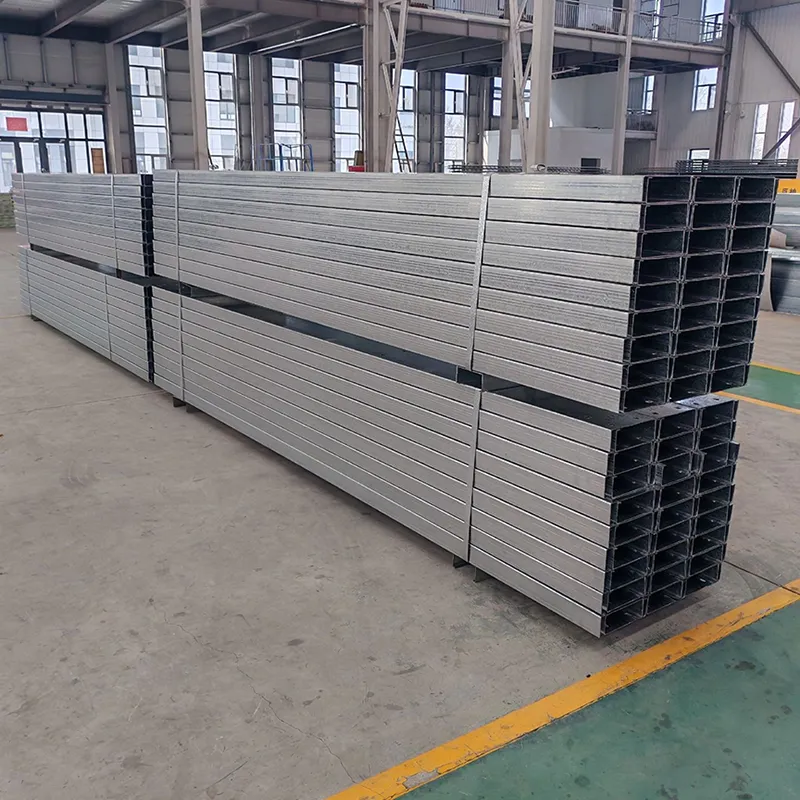
Zinc aluminum magnesium coated rectangular tubes are cut and sorted according to the specific drawings, dimensions, and lengths required for each order. Tubes of the same type and specification are bundled together, preventing on-site dimension mismatches and simplifying inventory tracking, quality inspection, and installation.
Prioritizing Coating Protection:
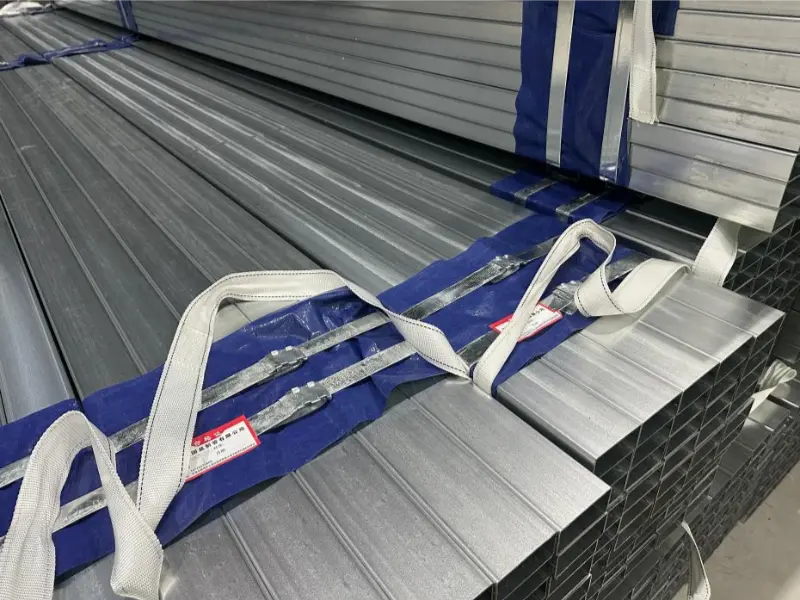
Zn-Al-Mg coatings are susceptible to scratches from hard objects. Before bundling, protective sleeves are applied to the tubes, and cushioning pads are placed beneath the strapping bands. This ensures that lifting slings or steel bands never come into direct contact with the coating, preventing indentations or abrasions.
Edge Protection and Reinforced Bundling:
The ends of rectangular tubes are particularly vulnerable to deformation or coating damage during handling. Protective corner guards are installed at both ends of each bundle, which is then secured with crisscrossed steel strapping. This prevents the tubes from shifting or rubbing against each other during transit.
Waterproof Outer Wrapping:
Bundled tubes are wrapped in a waterproof film to block condensation, rainwater, and salt-spray accumulation during ocean freight. Desiccants are included when necessary to ensure the tubes and their coatings remain dry and pristine throughout long-distance maritime transport.
Container Loading and Securing:
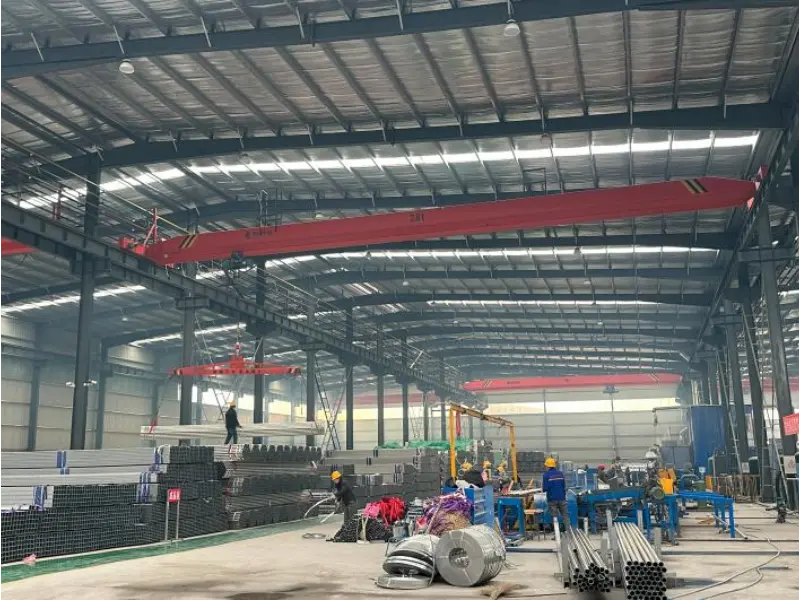
Loading plans are calculated based on container capacity; tubes are stacked in layers, with gaps filled and secured to minimize movement during transit. Located near the Port of Tianjin, our facility allows for seamless customs clearance and direct loading onto vessels, reducing transit time and the risk of cargo damage.
Project Case Studies
1.2GW Large-Scale Ground-Mounted Solar Project in the Middle East:
Located in a region characterized by high salinity and high temperatures, this project demanded exceptional load-bearing capacity and corrosion resistance for its mounting structures. Yizhao supplied a complete set of mounting components—including rectangular posts and diagonal braces made from zinc aluminum magnesium coated rectangular tube. With a capacity of 1.2GW and a contract value exceeding 200 million RMB, this project demonstrates our capability to supply high-standard, Zn-Al-Mg coated rectangular tubing in large volumes for use in harsh environments.
Elevated Mounting Structures for Coastal "Fishery-Solar Hybrid" Projects:
In coastal aquaculture areas, high humidity and high salinity/alkalinity often cause conventional mounting structures to rust within just two to three years. This project utilizes Zn-Al-Mg coated rectangular tubing for the elevated posts and main beams. Integrated into a "fishery-solar hybrid" design, these structures provide long-term support for solar modules, preventing sagging and corrosion while reducing the need for maintenance-related touch-up painting.
Global Track Record:
To date, Yizhao has shipped over 27GW of Zn-Al-Mg coated rectangular tubing and related mounting components for more than 1,000 projects. Our products are deployed across over 30 countries and regions, including the Middle East, Africa, Southeast Asia, Europe, and South America—offering large-scale buyers a proven track record of reliable, high-volume delivery and consistent quality.
FAQ
Q1: How does the load-bearing capacity of rectangular tubing compare to square or circular tubing?
It depends on the direction of the applied force. Rectangular tubing, with a greater cross-sectional height in one direction, offers superior bending resistance, making it ideal for main beams and elongated load-bearing components. Square tubing provides uniform strength in two directions, while circular tubing offers consistent strength in all directions. Since posts and beams are often used in combination, selection should be based on the specific direction of the load; we can assist by reviewing your project drawings.
Q2: Can you provide salt-spray test data for the coatings?
Yes. We have third-party salt-spray test reports available. We can provide data on salt-spray resistance duration for specific coating grades (such as ZM120, ZM150, or ZM275), allowing you to review the data before finalizing your solution for coastal projects.
Q3: Will cutting or welding on-site damage the anti-corrosion coating?
After cutting or drilling, the coating at the edges will self-heal; for added security, a zinc-rich touch-up paint can be applied. Welding generates high heat that may burn off the coating locally, but this can be easily remedied by applying touch-up paint after welding. We generally recommend using bolted or clamp-based connections to minimize welding and preserve the integrity of the coating.
Q4: What is the approximate weight per meter—can you help me calculate shipping costs?
The weight depends on the cross-section and wall thickness; common specifications typically range from a few kilograms to over a dozen kilograms per meter. If you provide the specific dimensions, I can calculate the theoretical weight per meter and the container loading capacity, making it easier for you to estimate shipping costs and plan your shipments.
Q5: How should I choose the coating thickness? Can you provide recommendations?
Certainly. If you provide details such as the project site's distance from the coast, the local corrosion category, and the expected wind and snow loads, we can help you decide between ZM120 and ZM275 coatings. We will also provide salt-spray test data, so you don’t have to guess.
Q6: Can these rectangular tubes be used for solar tracking systems?
Yes, they can. These zinc aluminum magnesium coated rectangular tubes are suitable for structural components in tracking systems—such as guide rails, support posts, and push-rod connectors—when integrated with the drive mechanism. Since tracking systems are exposed to the elements for longer periods and subjected to more complex mechanical loads, we recommend selecting high-strength base tubes and verifying the design against your project blueprints.
Send Inquiry
Contact Info
-
Address
188m South of the Intersection of Tuantang Line & Chenda Road, Daqiuzhuang Town, Jinghai District, Tianjin, China
-
Tel
-
Contact Energet Solar for professional PV mounting quotations, technical support and customized solutions directly from an experienced China manufacturer.
News Recommendations