News
How Can a Steel Water Gutter for PV Roof Improve Solar Drainage and Long-Term Roof Protection
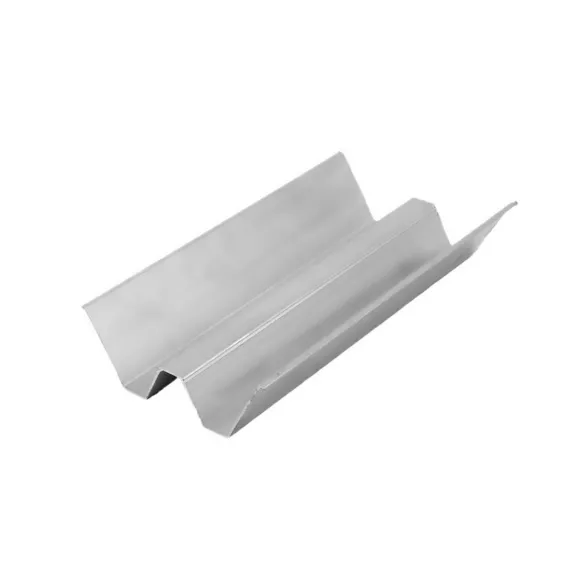
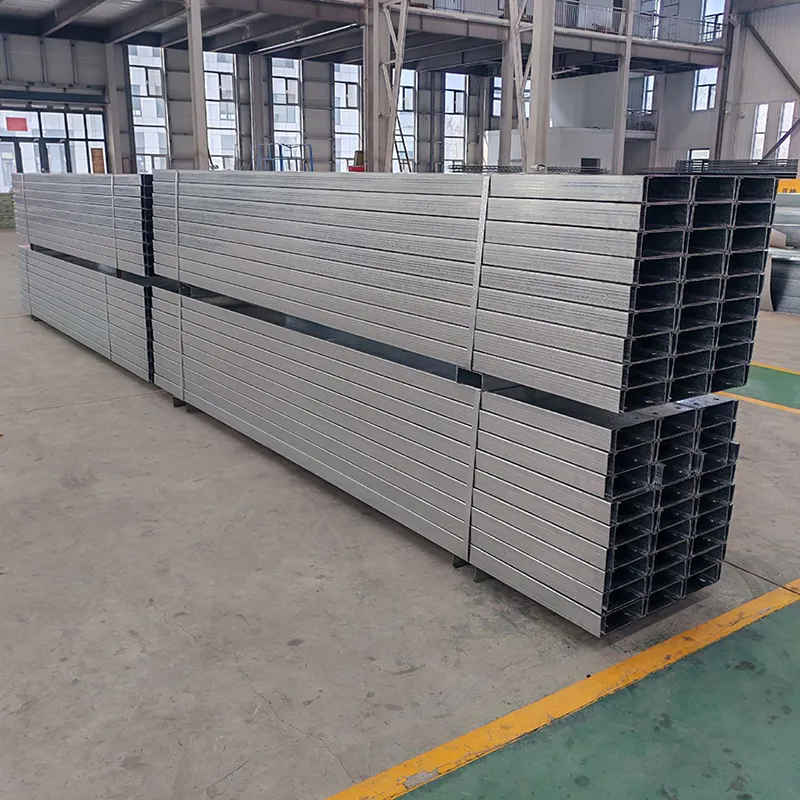
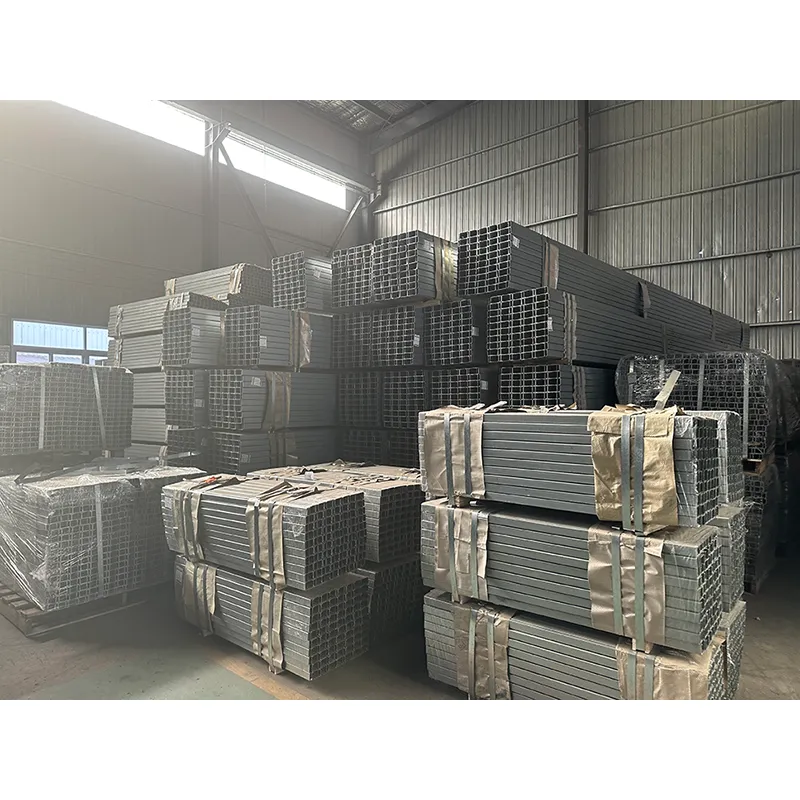
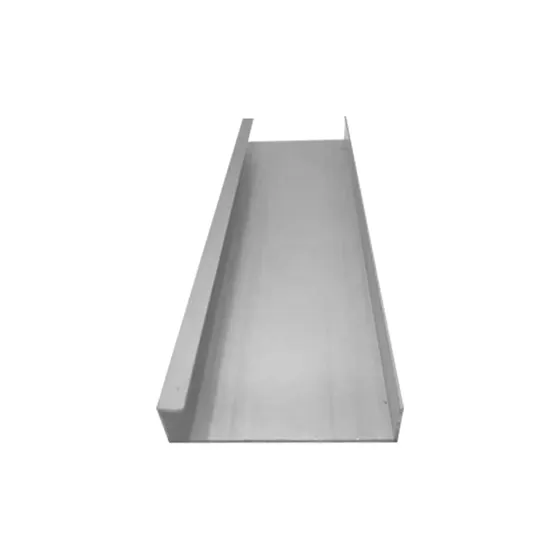
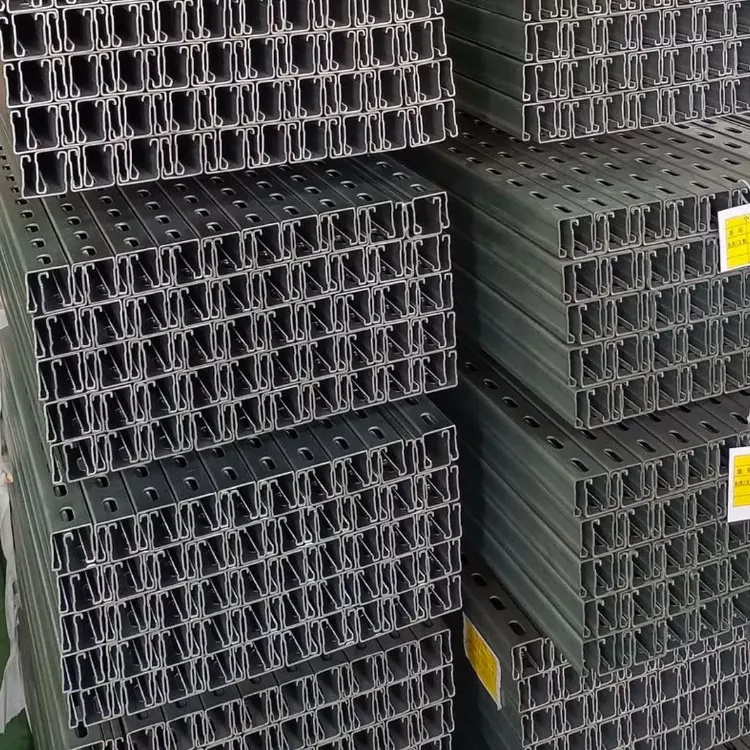
Steel Water Gutter for PV Roof is an increasingly important drainage component for rooftop photovoltaic systems, and Energet Solar provides customized steel drainage solutions designed around PV module layouts, roof structures, and project-specific water management requirements. Made from galvanized steel with ZAM coating options, the system collects rainwater beneath solar modules and directs it toward designated drainage points.
A properly designed drainage system is essential for rooftop solar installations, particularly where densely arranged photovoltaic modules concentrate rainwater along panel edges. A PV-specific steel water gutter creates a dedicated drainage channel beneath the array, helping control runoff, reduce water accumulation, and improve compatibility between solar mounting structures and roof drainage. This article explains the working principle, material choices, technical specifications, applications, installation considerations, and project-selection factors of steel gutters for PV roofs. It also highlights why customized dimensions and corrosion-resistant surface treatments matter when designing drainage solutions for long-term outdoor photovoltaic applications.
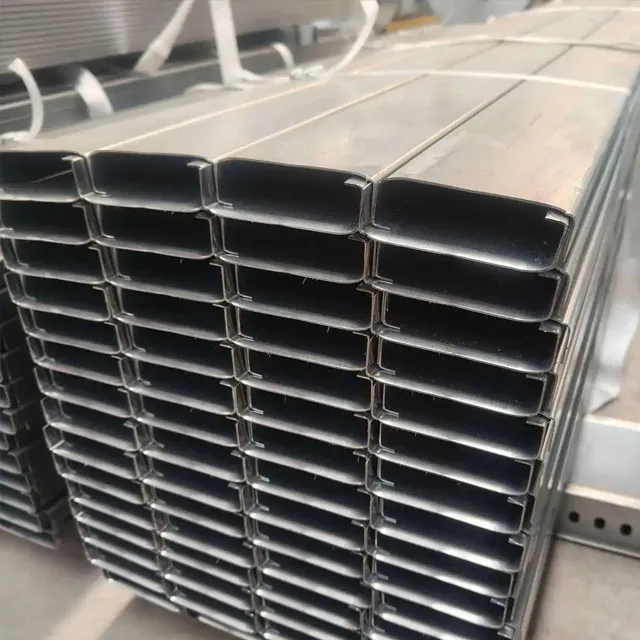
Table of Contents
Why Does PV Roofing Need a Dedicated Drainage Solution?
How Does a Steel Water Gutter for PV Roof Work?
What Are the Key Technical Specifications?
How Do Steel Material and Anti-Corrosion Treatment Improve Performance?
Where Can PV Steel Water Gutters Be Used?
What Should Be Considered During Installation?
Why Is Customization Important for PV Drainage?
How Does a PV-Specific Gutter Differ from a Conventional Gutter?
Why Does PV Roofing Need a Dedicated Drainage Solution?
Solar modules fundamentally change how rainwater moves across a roof. When photovoltaic panels are installed in continuous rows, rainwater runs across the glass surface and becomes concentrated along the lower module edges. Without an appropriately positioned drainage channel, concentrated runoff can reach roof areas unevenly and may contribute to water accumulation or leakage risks.
A dedicated gutter installed beneath the modules provides a controlled path for this water. Rather than allowing runoff to spread unpredictably across the roof, the drainage channel collects and guides it toward the planned outlet.
- Collects concentrated rainwater below PV module edges.
- Provides a defined drainage route beneath solar arrays.
- Helps reduce uncontrolled water accumulation.
- Works with rooftop PV mounting structures.
- Can be adapted to different roof slopes and module arrangements.
This makes drainage planning an important part of rooftop PV structural design rather than an afterthought.
How Does a Steel Water Gutter for PV Roof Work?
The operating principle is straightforward. During rainfall, water flows down the surface of a solar module toward its lower edge. A gutter positioned underneath the module collects this concentrated runoff and transfers it horizontally or toward a designated drainage outlet.
The gutter therefore functions as an additional drainage layer beneath the photovoltaic array. Its dimensions and position should correspond with the module arrangement, mounting height, roof drainage direction, and expected rainfall conditions.
For large commercial or industrial PV projects, coordinated drainage planning is particularly important because hundreds or thousands of modules can create significant volumes of concentrated runoff during heavy rainfall.
A correctly designed system should maintain adequate water flow while remaining compatible with the mounting structure and avoiding unnecessary interference with module installation or ventilation.
What Are the Key Technical Specifications?
Project engineers and PV installers should evaluate dimensions, steel grade, coating, thickness, and connection design before selecting a drainage component. Energet Solar's product specifications provide a useful reference for typical PV applications.
| Parameter | Typical Specification | Project Consideration |
|---|---|---|
| Product | Steel Water Gutter for PV Roof | Designed for rooftop PV drainage |
| Length | 1000–6000 mm | Can be selected according to array layout |
| Thickness | 0.8–1.2 mm | Selected according to structural and drainage requirements |
| Material | S250GD+ZAM275g/m² / S350GD+ZAM275g/m² | Provides strength and corrosion protection |
| Surface Treatment | ZAM coating / Hot-dip galvanized | Supports outdoor corrosion resistance |
| Application | Rooftop PV systems / Solar carports | Suitable for multiple solar structures |
These specifications can be adjusted according to the actual roof structure, module arrangement, drainage capacity, and installation method.
How Do Steel Material and Anti-Corrosion Treatment Improve Performance?
Because rooftop solar equipment is exposed to rain, humidity, temperature fluctuations, UV radiation, and atmospheric contaminants, corrosion protection is an important consideration for drainage components.
The PV gutter uses high-strength galvanized steel options such as S250GD+ZAM275g/m² and S350GD+ZAM275g/m². ZAM alloy coating and hot-dip galvanizing provide protective surfaces designed for demanding outdoor environments.
The manufacturing process can also influence drainage performance. One-piece cold-bending forming and edge-folding technology helps create a relatively smooth internal water channel while reducing unnecessary areas where water can remain trapped.
For solar projects expected to operate for many years, material selection should therefore be considered together with coating technology, forming accuracy, connection design, and the environmental conditions of the installation site.
Where Can PV Steel Water Gutters Be Used?
A PV-specific steel drainage channel can support several types of solar installations.
Commercial and Industrial Rooftops
Factories, warehouses, logistics buildings, and commercial facilities often use large rooftop PV arrays. A dedicated drainage channel can help manage runoff generated by extensive module surfaces.
Residential Rooftop Solar
Residential projects may have more compact arrays, but drainage remains important where module rows influence existing roof runoff patterns.
Metal and Color Steel Roofs
Metal roofing systems can be integrated with PV mounting structures and dedicated drainage components. Correct positioning is necessary to match the existing roof drainage direction.
Solar Carports
Solar carports are directly exposed to weather. A gutter beneath the modules can collect rainfall and direct it away from parking or pedestrian areas, improving practical water management.
What Should Be Considered During Installation?
Good product selection alone does not guarantee effective drainage. Installation accuracy is equally important because incorrect positioning or poorly treated joints can reduce drainage efficiency and increase leakage risks.
- Match the gutter to the module layout: The channel should align with the lower edges of the PV modules.
- Follow the roof drainage direction: The system should guide water toward planned outlets rather than creating low points where water can accumulate.
- Manage connection joints carefully: Proper overlap and suitable waterproofing treatment are important at gutter connections.
- Consider local rainfall: Drainage capacity should correspond to the expected rainfall intensity and array configuration.
- Coordinate with mounting structures: The gutter should not interfere with module installation, structural components, or necessary ventilation gaps.
- Plan large arrays as a complete system: Commercial projects benefit from drainage layout planning before installation begins.
Why Is Customization Important for PV Drainage?
There is no universal rooftop configuration. Roof pitch, module dimensions, panel spacing, mounting height, rainfall conditions, and outlet positions can differ significantly between projects.
For this reason, customized drainage components can reduce the need for field modifications. Energet Solar supports adjustments to gutter length, thickness, bending shape, dimensions, and connection structure based on project drawings and installation requirements.
A customized approach can provide several practical benefits:
- Better dimensional compatibility with PV mounting structures.
- Reduced on-site cutting and modification.
- More predictable drainage paths.
- Improved consistency across large solar arrays.
- Greater flexibility for unusual roof configurations.
For EPC contractors and solar mounting distributors, providing project drawings and module layout information early can help manufacturers determine a more suitable drainage configuration.
How Does a PV-Specific Gutter Differ from a Conventional Gutter?
Conventional building gutters are generally designed around traditional roof edges and architectural drainage requirements. A PV-specific gutter, by contrast, is positioned around the geometry created by solar modules and their mounting structures.
| Feature | PV-Specific Steel Gutter | Conventional Roof Gutter |
|---|---|---|
| Primary Purpose | Drainage beneath photovoltaic modules | General roof-edge drainage |
| Design Basis | PV module layout and mounting structure | Traditional roof geometry |
| Installation Position | Typically beneath module edges | Usually along roof edges |
| Customization | Can be adapted to PV project requirements | Often based on standard building dimensions |
| Application | PV rooftops and solar carports | Residential and commercial roofs |
The key distinction is not simply the material. It is how the drainage component is integrated into the photovoltaic system as a whole.
Frequently Asked Questions
Q1: Will a steel water gutter affect solar panel power generation?
No. When correctly designed and installed beneath the modules, the gutter is positioned to collect rainwater without blocking the solar cells from sunlight. Proper installation also preserves the required space around the PV mounting system.
Q2: Can the gutter be used on different types of PV roofs?
Yes. The system can be used for concrete flat roofs, color steel tile roofs, metal roofs, and solar carport structures. The dimensions and installation configuration can be adjusted according to project conditions.
Q3: How can leakage at gutter joints be reduced?
Gutter joints should use appropriate overlap, connection methods, and waterproofing treatment. Installation should also follow the planned water-flow direction to prevent water from collecting at connection points.
Q4: What steel materials are available for PV gutters?
Typical material options include S250GD+ZAM275g/m² and S350GD+ZAM275g/m². Surface treatments can include ZAM coating or hot-dip galvanizing for outdoor corrosion protection.
Q5: Can the gutter dimensions be customized?
Yes. Length, thickness, bending configuration, dimensions, and connection structures can be customized according to module arrangement, roof conditions, project drawings, and drainage requirements.
Q6: Is this drainage solution suitable for large-scale solar projects?
Yes. Customized production and project-based drainage planning can support commercial, industrial, and other large rooftop PV installations. For large arrays, drainage routes should be planned consistently across the entire module layout.
Conclusion: Building a More Reliable PV Roof Drainage System
A well-designed drainage system helps photovoltaic installations manage concentrated rainwater while maintaining compatibility with the roof and mounting structure. High-strength steel, corrosion-resistant coatings, accurate forming, suitable dimensions, and project-specific customization all contribute to a practical long-term drainage solution. If you are planning a rooftop PV project and need a customized Steel Water Gutter for PV Roof, learn more about Energet Solar's PV drainage solution or contact us for product specifications, project-based recommendations, and a customized quotation.
Related News
- Why Is Self-healing ZAM Steel Pipe Becoming a Smarter Choice for Long-Life Solar Structures
- Why Is a Transverse Steel Water Gutter Essential for Reliable Solar PV Drainage
- How Can Self-healing ZAM Steel Pipe Deliver Longer-Lasting Corrosion Protection for Solar Structures
- How Does Cold Formed Steel Purlin Improve the Strength and Efficiency of Solar Structures?
- How Does a Solar Fasteners Kit Improve PV Installation Reliability?
- What Types of Ground Solar Fasteners Are Used in Solar Projects?
Leave me a message