News
How Structural Steel Shapes Improve the Strength and Reliability of Modern Construction Projects
Article Summary
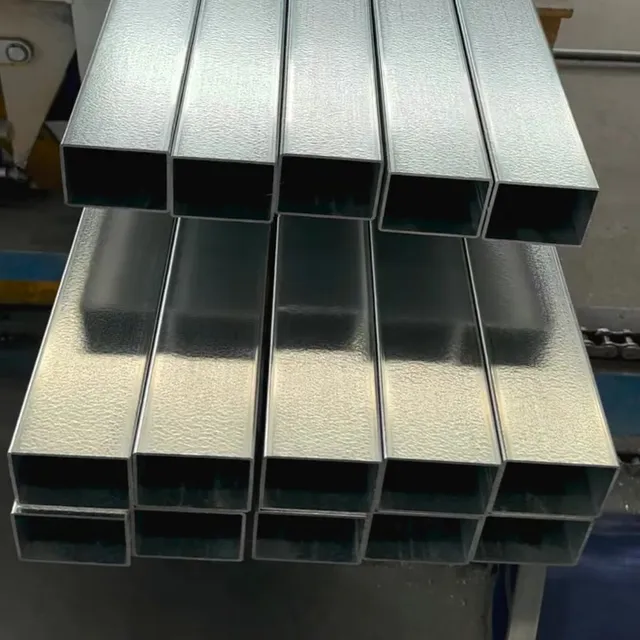
Structural Steel Shapes are essential building components used in construction, solar mounting systems, industrial facilities, bridges, and infrastructure projects. Choosing the right steel profiles can directly influence structural stability, load-bearing capacity, installation efficiency, and long-term durability. However, many engineers and contractors face challenges such as selecting unsuitable profiles, controlling project costs, ensuring corrosion resistance, and achieving reliable structural performance.
This article explains how Structural Steel Shapes work, why they are widely adopted in modern engineering, what factors should be considered during selection, and how companies like Energet Solar provide dependable structural steel solutions for different application requirements. By understanding the characteristics and advantages of various steel shapes, project owners can make better decisions and avoid costly structural problems.
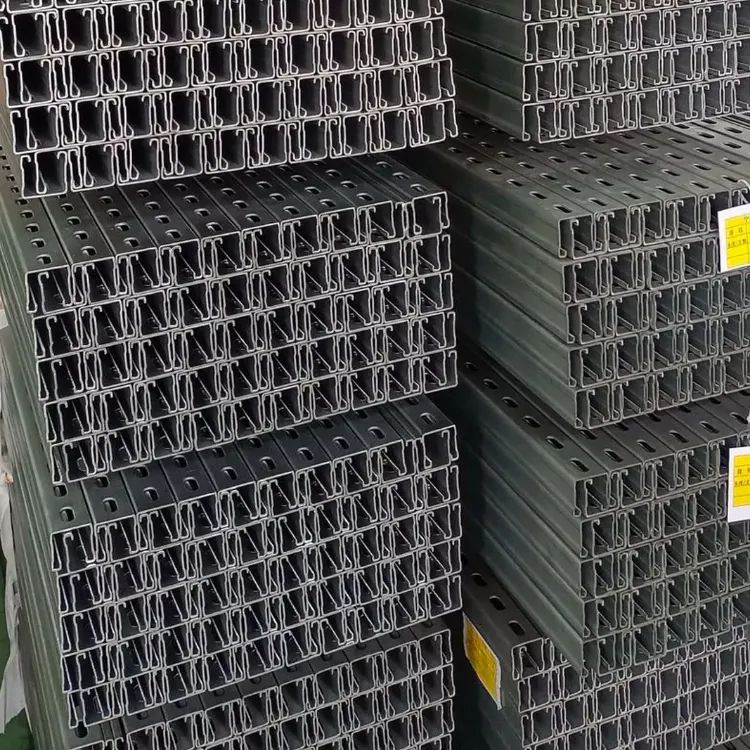
Table of Contents
- 1. Introduction to Structural Steel Shapes
- 2. Why Structural Steel Shapes Are Important in Construction
- 3. Common Types of Structural Steel Shapes
- 4. How to Choose the Right Structural Steel Shapes
- 5. Key Advantages of Using Structural Steel Shapes
- 6. Applications of Structural Steel Shapes in Solar Energy Systems
- 7. Common Challenges and Solutions When Using Structural Steel
- 8. Quality Considerations for Reliable Steel Structures
- 9. Frequently Asked Questions About Structural Steel Shapes
- 10. Conclusion
Article Outline
- Understanding the role of Structural Steel Shapes in modern engineering
- Exploring different steel profiles and their applications
- Identifying factors that affect structural performance
- Learning how to select suitable steel solutions
- Discovering how Energet Solar supports reliable structural applications
1. Introduction to Structural Steel Shapes
Modern construction requires materials that can provide strength, flexibility, and long service life. Among various construction materials, steel remains one of the most widely used options because of its excellent mechanical properties and adaptability.
Structural Steel Shapes refer to specially designed steel sections manufactured according to specific geometrical forms. These shapes are engineered to withstand different types of forces, including tension, compression, bending, and shear. They are commonly used in buildings, warehouses, bridges, equipment supports, and renewable energy structures.
For large-scale projects, selecting the appropriate steel profile is not only a technical decision but also an important factor affecting safety, maintenance requirements, and overall project investment.
2. Why Structural Steel Shapes Are Important in Construction
The performance of a structure depends heavily on the materials used in its framework. Structural Steel Shapes provide engineers with multiple design possibilities while maintaining high strength and stability.
Many construction problems occur when steel components are not properly selected. Incorrect dimensions, insufficient load capacity, or unsuitable surface treatment may lead to deformation, additional maintenance costs, or reduced service life.
High-quality Structural Steel Shapes help solve these challenges by offering:
- Excellent load-bearing performance: Steel profiles can support heavy loads while maintaining structural integrity.
- Design flexibility: Different shapes allow engineers to create customized structural solutions.
- Efficient installation: Prefabricated steel components reduce construction time.
- Long-term durability: Properly treated steel can withstand demanding environmental conditions.
3. Common Types of Structural Steel Shapes
Different construction projects require different steel profiles. Understanding the characteristics of each shape helps professionals select the most suitable solution.
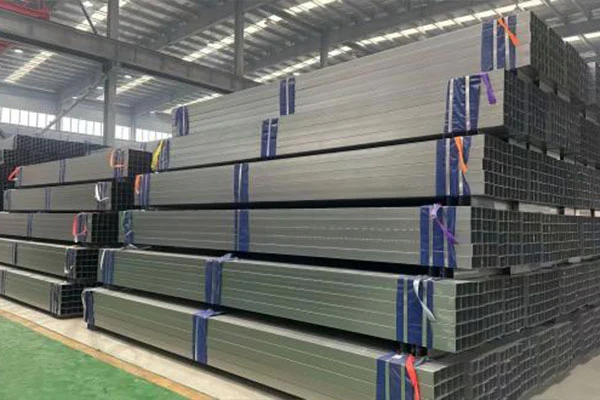
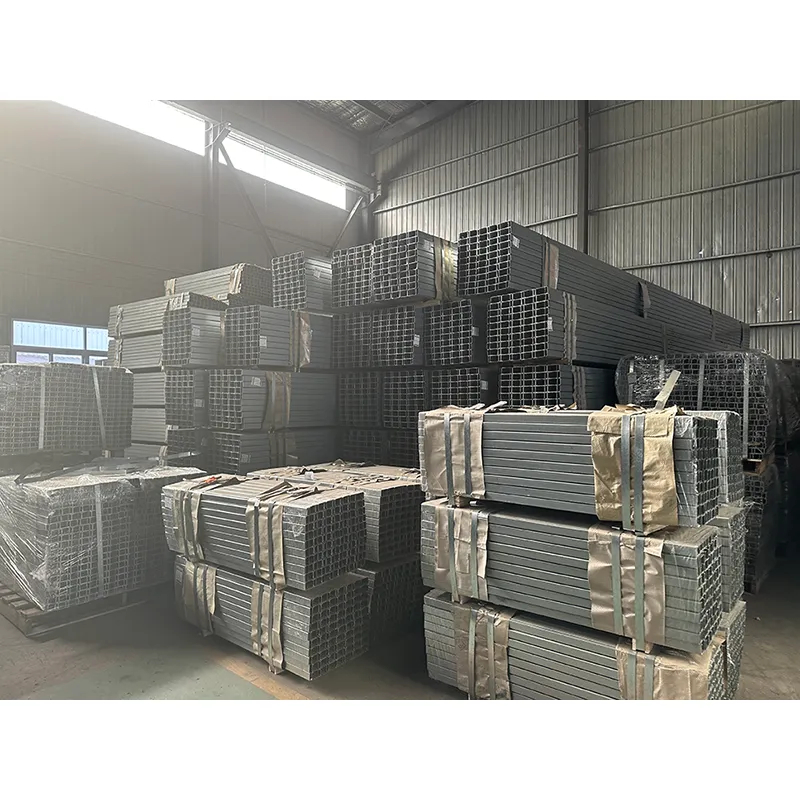
- H-Shaped Steel: Known for high strength and excellent load distribution, H-shaped steel is commonly used for columns, beams, and heavy structures.
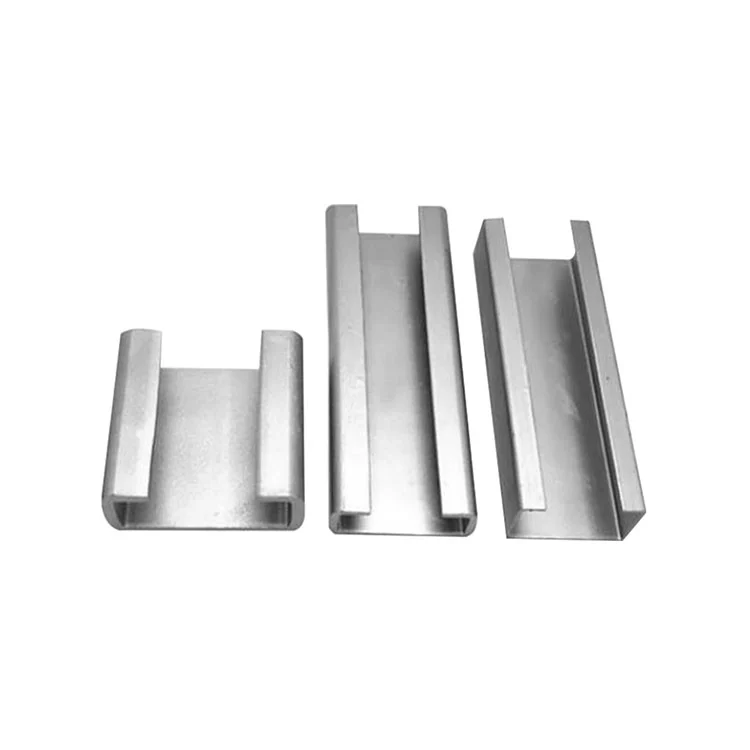
- C-Shaped Steel: This lightweight profile is often used in support structures, framing systems, and secondary components.
- L-Shaped Steel: Angle steel provides strong connection support and is frequently used in brackets and reinforcement structures.
- U-Shaped Steel: Channel steel offers reliable support for frameworks and mechanical installations.
- Customized Steel Profiles: Some projects require specially designed sections to meet unique engineering requirements.
Energet Solar provides structural steel solutions designed to meet different project conditions, helping customers achieve stable and efficient structural performance.
4. How to Choose the Right Structural Steel Shapes
Selecting the correct steel profile requires careful evaluation of several technical and environmental factors. A suitable choice can improve project efficiency while reducing unnecessary expenses.
- Load Requirements: Determine the weight and forces the structure must withstand.
- Environmental Conditions: Consider exposure to moisture, temperature changes, wind, and corrosion risks.
- Installation Method: Choose shapes that match construction methods and equipment availability.
- Material Quality: Verify steel strength, manufacturing standards, and surface protection.
- Project Budget: Balance initial costs with long-term maintenance benefits.
Professional evaluation before purchasing Structural Steel Shapes can prevent structural failures and improve the overall value of a project.
5. Key Advantages of Using Structural Steel Shapes
Structural Steel Shapes have become a preferred choice across multiple industries because they provide a combination of strength, efficiency, and reliability.
- High Strength-to-Weight Ratio: Steel provides strong structural support without excessive material weight.
- Fast Construction Process: Steel components can be manufactured and assembled efficiently.
- Recyclability: Steel materials can be reused and recycled, supporting sustainable development.
- Excellent Adaptability: Steel profiles can be customized for different engineering applications.
- Reduced Maintenance Needs: Proper protection extends service life and reduces repair frequency.
6. Applications of Structural Steel Shapes in Solar Energy Systems
The renewable energy industry increasingly relies on Structural Steel Shapes to build stable solar mounting structures. Solar installations require frameworks that can withstand wind pressure, weather changes, and long-term outdoor exposure.
In photovoltaic projects, steel components serve as the foundation for supporting solar panels. Their strength ensures that panels remain securely positioned while maintaining optimal energy generation performance.
Energet Solar focuses on providing structural solutions suitable for solar applications, helping customers create durable photovoltaic systems for residential, commercial, and industrial projects.
7. Common Challenges and Solutions When Using Structural Steel
| Common Challenge | Practical Solution |
|---|---|
| Corrosion caused by outdoor exposure | Use appropriate surface treatments and protective coatings. |
| Incorrect steel profile selection | Analyze project requirements before choosing materials. |
| High transportation costs | Optimize design and select efficient steel structures. |
| Complex installation requirements | Use professionally designed components and accurate fabrication. |
8. Quality Considerations for Reliable Steel Structures
The quality of Structural Steel Shapes directly affects the safety and performance of the final structure. Reliable steel products should undergo strict manufacturing control and inspection processes.
Important quality factors include:
- Accurate dimensions and consistent shape performance
- Reliable mechanical strength
- Proper corrosion protection
- Stable welding and connection performance
- Compliance with project requirements
Working with experienced suppliers helps ensure that steel components meet technical expectations and provide dependable service throughout the project lifecycle.
9. Frequently Asked Questions About Structural Steel Shapes
Q1: What are Structural Steel Shapes used for?
Structural Steel Shapes are used for beams, columns, supports, solar mounting systems, industrial structures, bridges, and various construction applications requiring strong frameworks.
Q2: Why is steel preferred over other construction materials?
Steel offers excellent strength, durability, flexibility, and recyclability, making it suitable for demanding structural applications.
Q3: How can corrosion of Structural Steel Shapes be prevented?
Corrosion can be reduced through protective coatings, galvanization, proper maintenance, and selecting suitable materials for specific environments.
Q4: Can Structural Steel Shapes be customized?
Yes. Many manufacturers provide customized steel profiles based on project dimensions, load requirements, and installation conditions.
Q5: Why choose Energet Solar for structural steel solutions?
Energet Solar provides professionally designed structural steel products that focus on durability, reliability, and application flexibility for modern solar and construction projects.
10. Conclusion
Structural Steel Shapes play a critical role in creating safe, durable, and efficient structures across construction and renewable energy industries. Choosing the correct steel profile can significantly improve project performance, reduce maintenance challenges, and extend service life.
From material selection to structural design, every detail influences the final result. With reliable manufacturing capabilities and professional solutions, Energet Solar helps customers achieve stable structural systems that meet different application requirements.
If you are looking for dependable Structural Steel Shapes for your next construction or solar energy project, contact us today to discuss your requirements and receive a customized solution from Energet Solar.
Related News
- How Can a Steel Water Gutter for PV Roof Improve Solar Drainage and Long-Term Roof Protection
- Why Is Self-healing ZAM Steel Pipe Becoming a Smarter Choice for Long-Life Solar Structures
- Why Is a Transverse Steel Water Gutter Essential for Reliable Solar PV Drainage
- How Can Self-healing ZAM Steel Pipe Deliver Longer-Lasting Corrosion Protection for Solar Structures
- How Does Cold Formed Steel Purlin Improve the Strength and Efficiency of Solar Structures?
- How Does a Solar Fasteners Kit Improve PV Installation Reliability?
Leave me a message