News
What Types of Ground Solar Fasteners Are Used in Solar Projects?
On a vast solar farm stretching across hundreds of acres, thousands of solar panels are mounted on steel structures that must withstand decades of wind, rain, and thermal cycling. The integrity of this entire system depends on a component that is often overlooked—the Ground Solar Fastener. These small but critical components transfer structural loads from the solar panels to the mounting system and ultimately to the ground. A single fastener failure can lead to a cascading effect: a loose panel, a damaged module, or in the worst case, a catastrophic structural collapse that endangers lives and disrupts power generation. In the solar industry, fastener failures are not rare. They are a persistent cause of warranty claims and costly field repairs. Yet, they are entirely preventable with the right selection, material choice, and quality assurance.
So, what types of Ground Solar Fasteners are commonly used in solar projects, and how do engineers select the right ones? The answer involves understanding a range of products designed for specific applications. These include foundation anchors such as ground screws and concrete anchor bolts, structural connectors like T-bolts, U-bolts, and hex bolts, and specialized fasteners such as self-tapping screws and rivets. Each type has unique design parameters, including mechanical strength, corrosion resistance, and ease of installation. This article will provide a comprehensive breakdown of the primary Ground Solar Fastener categories, discuss critical material selection factors, and explore the technical specifications and quality standards that define high-performance fasteners for the demanding environment of a solar power plant.
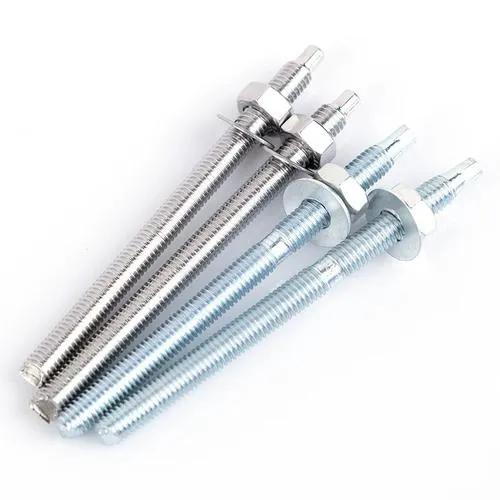
Table of Contents
- 1. What Are Ground Solar Fasteners and Their Key Specifications?
- 2. How Do Material Choices Affect Ground Solar Fastener Performance?
- 3. What Are the Main Types of Ground Solar Fasteners Used in Projects?
- 4. What Quality Standards and Testing Ensure Ground Solar Fastener Reliability?
- 5. How to Select the Right Ground Solar Fasteners for Your Project?
- 6. How Do Professional Ground Solar Fasteners Improve Project ROI?
- 7. Frequently Asked Questions (FAQ)
- 8. About Energet Solar Solution
- 9. Conclusion
1. What Are Ground Solar Fasteners and Their Key Specifications?
1.1 Definition and Classification of Ground Solar Fasteners
A Ground Solar Fastener is a mechanical component used to securely attach solar mounting structures to the ground foundation and to connect various structural elements within a solar array. These fasteners transmit wind, snow, and seismic loads from the modules through the mounting system and into the ground, making them the critical load path in any solar project. Without the correct fasteners, the entire structural integrity of a solar farm is compromised. Ground Solar Fasteners are typically classified by their function within the system: foundation anchors (which secure the structure to the ground), structural connectors (which join different mounting components), and module clamps (which attach the solar panels to the structure). Each classification has its own set of design requirements and installation methods.
From a design perspective, Ground Solar Fasteners must be evaluated based on three primary criteria: mechanical strength (the ability to resist tension, shear, and compression loads), corrosion resistance (the ability to withstand environmental degradation over the project's 25+ year lifetime), and ease of installation (the ability to be installed quickly and consistently with minimal specialized tools). These criteria are not independent; a fastener that has excellent mechanical strength but poor corrosion resistance will fail prematurely in a coastal environment, while a fastener that is corrosion-resistant but difficult to install will drive up project costs. This is why Energet Solar Solution—a leading PV mounting manufacturer—has developed a comprehensive range of Ground Solar Fasteners that address all three criteria simultaneously. Our fasteners are engineered to meet the specific demands of ground-mount solar projects, from small commercial installations to large utility-scale farms spanning thousands of acres.
1.2 Key Technical Specifications
To specify a Ground Solar Fastener correctly, engineers must understand its key technical parameters. These specifications define the fastener's performance and determine its suitability for the project's design loads and environmental conditions. The following table provides a detailed overview of the critical specifications for the most commonly used Ground Solar Fastener types in solar projects, based on our factory's extensive testing and field data.
| Specification | Foundation Anchor (Ground Screw) | Structural Bolt (Hex/T-Bolt) | Module Clamp Bolt |
| Material Grade | Q235B / Q345B | 8.8 or 10.9 Grade Steel | 304 / 316 Stainless Steel |
| Coating Type | Hot-Dip Galvanized (85µm) | Zinc-Aluminum-Magnesium / HDG | No Coating (Stainless) |
| Thread Diameter Range | M12 - M30 | M8 - M24 | M6 - M12 |
| Tensile Strength (MPa) | ≥ 370 | ≥ 800 (Grade 8.8) | ≥ 520 (304 SS) |
| Yield Strength (MPa) | ≥ 235 | ≥ 640 (Grade 8.8) | ≥ 210 (304 SS) |
| Recommended Torque (Nm) | Installation-specific | 50 - 350 (per diameter) | 15 - 40 |
| Salt Spray Test (ASTM B117) | ≥ 1,000 hours (HDG) | ≥ 1,500 hours (ZAM) | ≥ 2,000 hours |
| Typical Application | Ground anchoring in soil | Structural steel connections | Panel to rail attachment |
The table above illustrates that each Ground Solar Fastener type has a unique set of specifications. Foundation anchors, for example, must have high tensile and yield strength to resist pull-out forces from the ground. They are typically hot-dip galvanized with a thick coating to protect against soil corrosion. Structural bolts must have high strength (Grade 8.8 or 10.9) and are often coated with zinc-aluminum-magnesium (ZAM) for enhanced corrosion resistance. Module clamp bolts are usually made of stainless steel because they are directly exposed to the environment and are critical for panel retention. Understanding these specifications allows engineers to select the appropriate Ground Solar Fastener for each application within a solar project, ensuring safety, reliability, and longevity.
2. How Do Material Choices Affect Ground Solar Fastener Performance?
The material selection of a Ground Solar Fastener is one of the most critical decisions in solar project design. The fastener's material determines its strength, corrosion resistance, and long-term reliability. Three primary material categories dominate the solar industry: carbon steel with protective coatings, stainless steel, and zinc-aluminum-magnesium (ZAM) coated steel. Each material has distinct advantages and limitations, and the choice must be matched to the specific environmental conditions of the project.
Consider the case of a 150 MW solar farm built in a coastal region of Chile. The project specifications required standard hot-dip galvanized fasteners. However, the galvanized fasteners began to show signs of corrosion within two years of operation due to the combination of high humidity, salt spray, and temperature cycles. The resulting fastener replacements led to significant maintenance costs and reduced energy output during the repair period. This failure was not due to a design flaw in the fasteners themselves, but to a misalignment of material choice with environmental conditions. The project would have been better served by using stainless steel (Grade 316) or high-performance ZAM-coated fasteners.
The three primary material options for Ground Solar Fasteners are:
Carbon Steel with Hot-Dip Galvanized Coating. This is the most widely used material due to its balance of cost and performance. The hot-dip galvanized coating provides a barrier layer that protects the steel from corrosion. However, the coating thickness must be adequate (typically ≥ 85µm for aggressive environments), and the coating must be free of defects. The advantage is cost-effectiveness; the limitation is that the coating is susceptible to damage during installation, and its performance degrades over time.
Stainless Steel (304 and 316). Stainless steel contains chromium, which forms a passive oxide layer that provides excellent corrosion resistance without a separate coating. Grade 316 stainless steel, which includes molybdenum, is particularly effective in marine and coastal environments. The advantage is exceptional corrosion resistance and low maintenance; the limitation is the significantly higher material cost and the potential for crevice corrosion in threaded connections.
Zinc-Aluminum-Magnesium (ZAM) Coated Steel. This is an emerging material that offers superior corrosion resistance compared to hot-dip galvanized steel. The ZAM coating is thinner (typically 5-7µm) than a galvanized coating, but it provides self-healing properties at cut edges, which is a significant advantage. The advantage is reduced weight and enhanced corrosion resistance; the limitation is the higher cost compared to standard galvanized products.
Energet Solar Solution offers Ground Solar Fasteners in all three material types, with specific recommendations based on the project environment. For projects in coastal or high-humidity regions, we recommend Grade 316 stainless steel or ZAM-coated steel. For inland projects with lower corrosion risks, hot-dip galvanized carbon steel is the most cost-effective option. Our factory maintains detailed material specifications and can provide guidance on the optimal choice for your specific application.
3. What Are the Main Types of Ground Solar Fasteners Used in Projects?
Ground Solar Fasteners can be categorized into three primary families based on their function within the solar mounting system: foundation anchors, structural connectors, and module attachment fasteners. Each family contains multiple specific types, and the selection depends on the mounting structure design, site conditions, and project requirements. Understanding the distinctions between these types is essential for proper specification and installation.
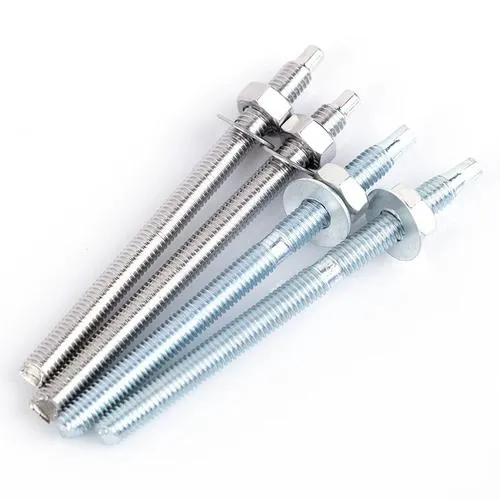
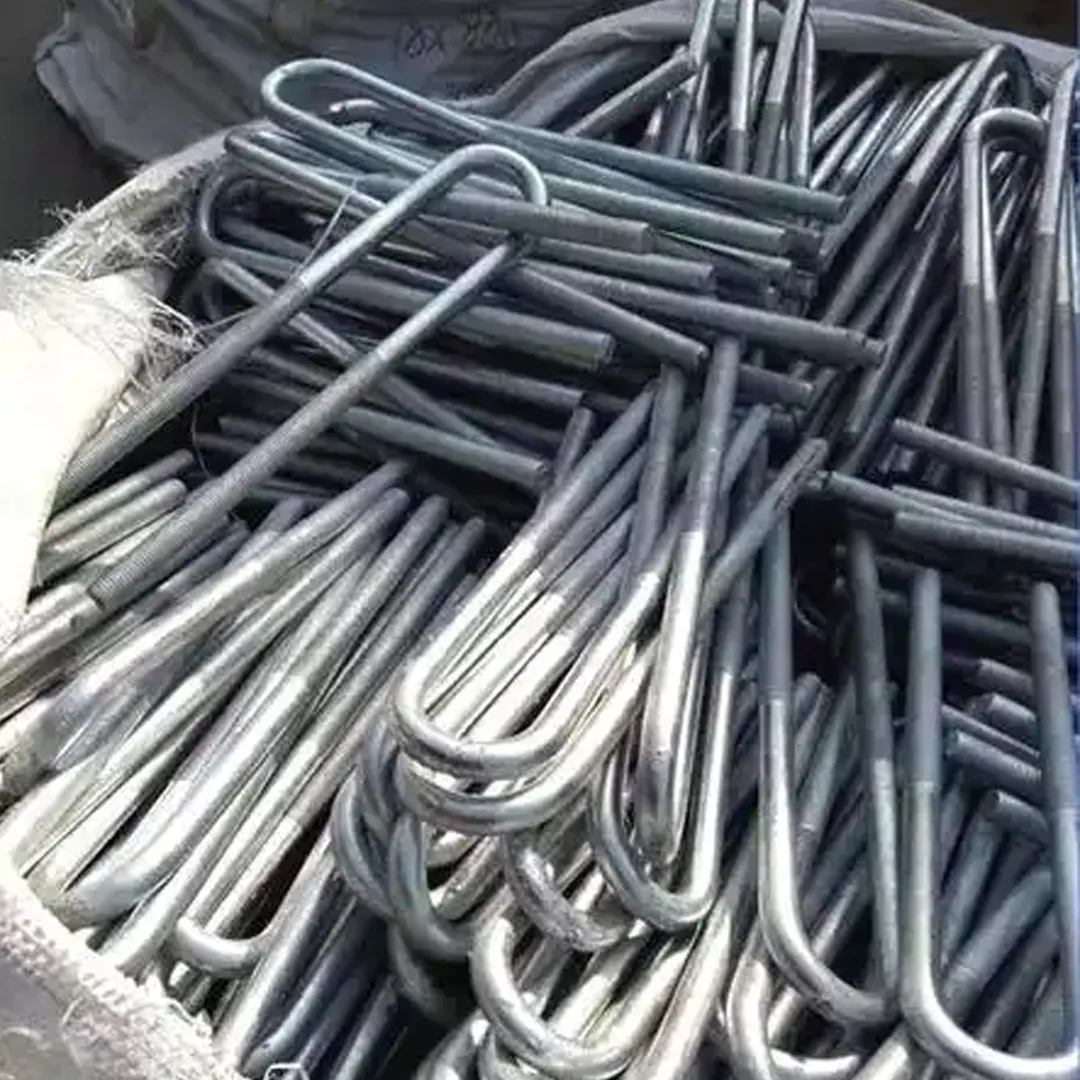
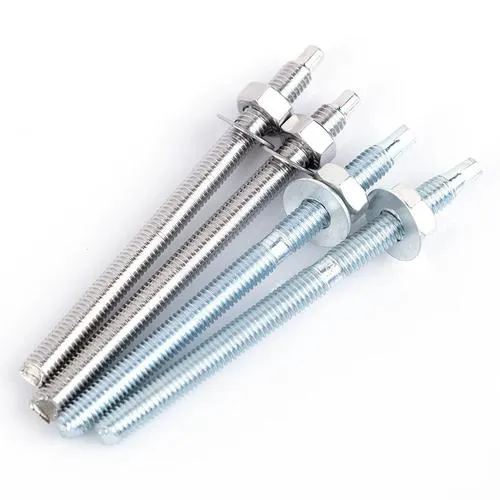
Foundation Anchors: These Ground Solar Fasteners secure the mounting structure to the ground. The most common types are ground screws (helical piles), concrete anchor bolts (for concrete foundations), and driven piles with bolted connections. Ground screws are particularly popular in utility-scale projects because they are quick to install and require no concrete curing time. They are driven into the ground using specialized equipment and provide excellent pull-out resistance. Concrete anchor bolts are used when a concrete foundation is poured; they are embedded in the concrete and provide a threaded connection for the mounting structure.
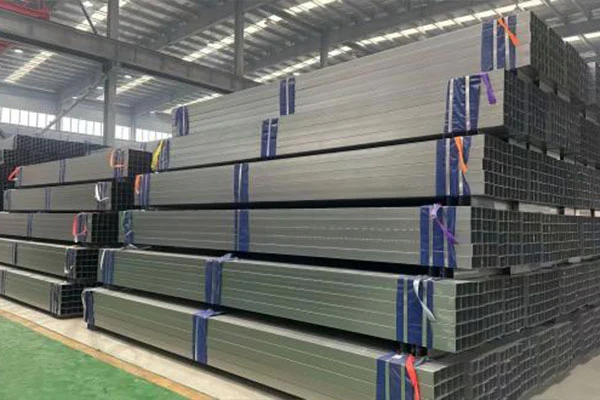
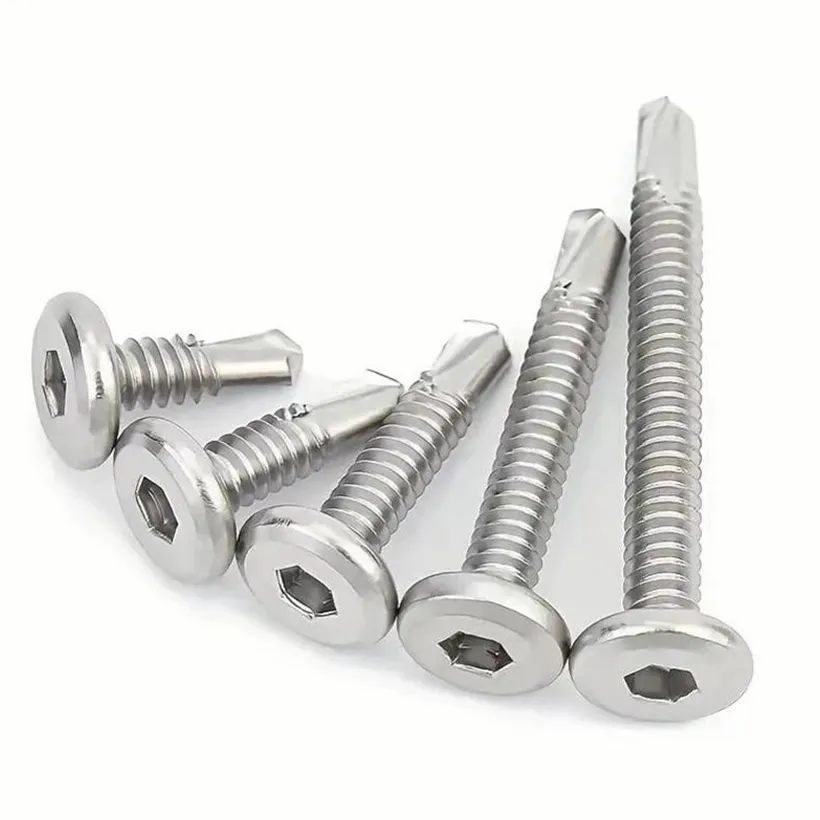
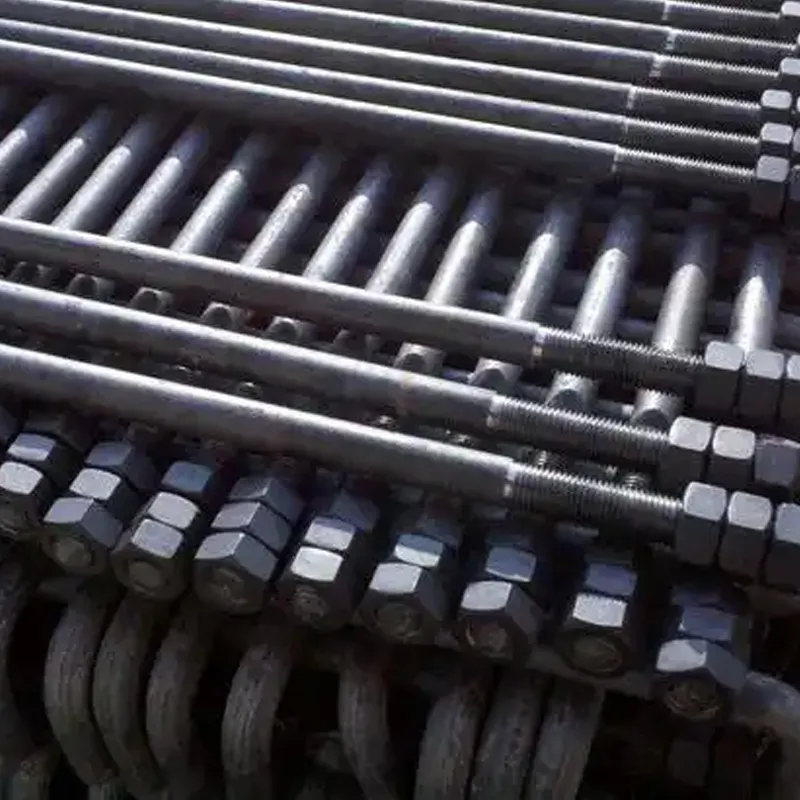
Structural Connectors: These Ground Solar Fasteners are used to connect the various steel components of the mounting structure—such as columns, beams, purlins, and diagonal braces. The primary connector types are hex bolts, T-bolts, U-bolts, and self-tapping screws. Hex bolts are the most common, used with nuts and washers to create bolted connections. T-bolts are designed for use with slotted rails, allowing for adjustment of the connection point. U-bolts are used to secure pipes or circular sections to flat surfaces. Self-tapping screws are used for thin-walled connections where drilling and tapping can be performed in one operation.
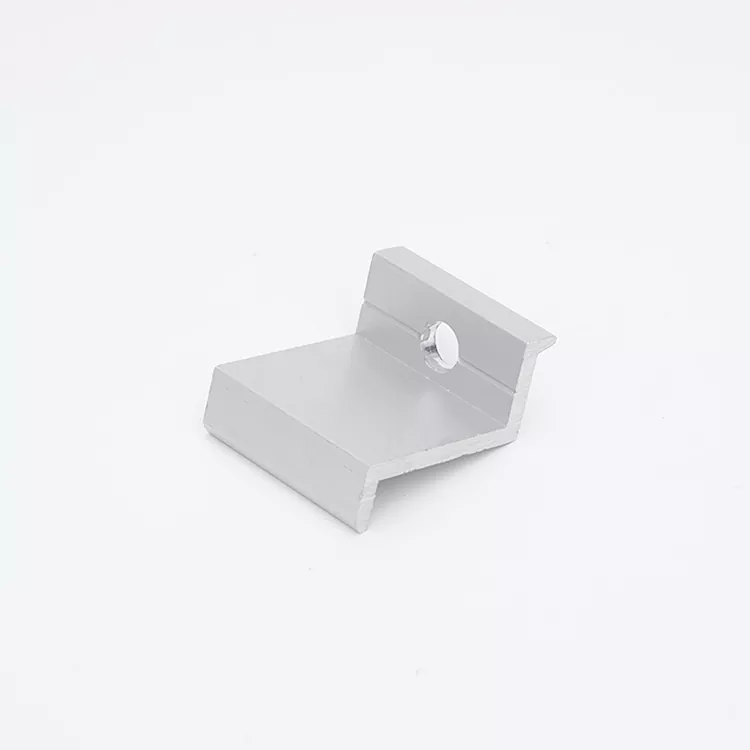
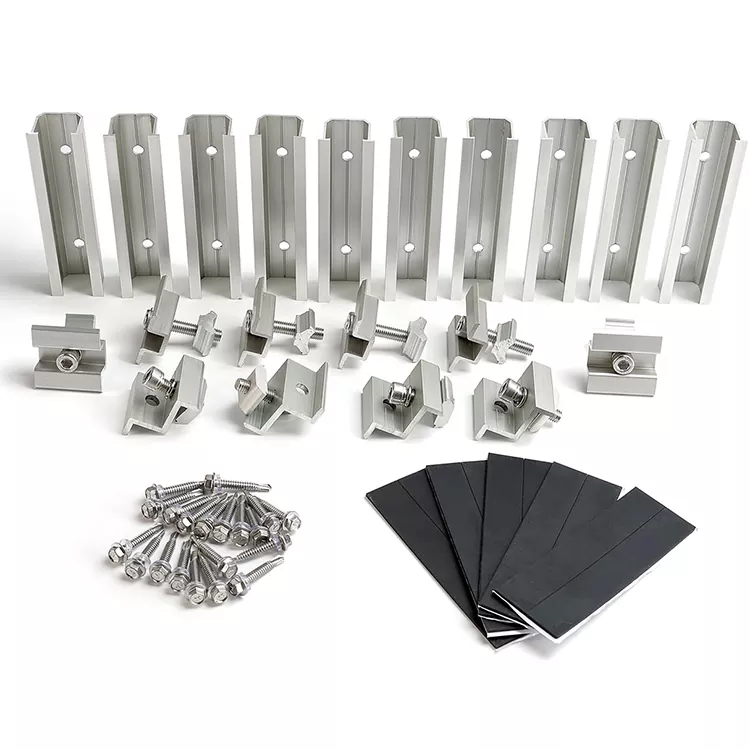
Module Attachment Fasteners: These Ground Solar Fasteners attach the solar panels to the mounting rails. The most common types are clamp bolts, carriage bolts, and rivets. Clamp bolts are used with module clamps to secure the panel frame to the rail. Carriage bolts have a square neck that prevents rotation during installation, making them ideal for applications where access is limited. Rivets are used for permanent, tamper-resistant connections where disassembly is not expected.
The following table provides a summary of the main Ground Solar Fastener types and their primary applications.
| Fastener Type | Primary Function | Typical Application | Key Features |
| Helical Ground Screw | Foundation Anchor | Direct ground mounting | No concrete required, quick installation |
| Concrete Anchor Bolt | Foundation Anchor | Concrete foundation applications | High pull-out strength, embedded |
| Hex Bolt (8.8 / 10.9) | Structural Connector | Column-to-beam, beam-to-beam connections | High strength, standard threads |
| T-Bolt | Structural Connector | Rail-to-purlins, adjustable connections | Slotted rail compatibility |
| U-Bolt | Structural Connector | Pipe or circular section to flat surface | Secure round profiles |
| Self-Tapping Screw | Structural Connector | Thin-walled steel connections | Drills and taps in one operation |
| Clamp Bolt | Module Attachment | Panel to rail attachment | Used with module clamps |
| Carriage Bolt | Module Attachment | Limited access installations | Square neck prevents rotation |
Our factory, Energet Solar Solution, manufactures a wide range of Ground Solar Fasteners to support diverse project requirements. We understand that each project is unique, and we offer customized solutions—including special thread designs, custom coatings, and non-standard dimensions—to meet the specific needs of our clients. Our team of engineers can assist in selecting the appropriate fastener type and specification for any solar mounting application, ensuring that the fasteners not only perform reliably but also contribute to efficient installation and long-term system integrity.
4. What Quality Standards and Testing Ensure Ground Solar Fastener Reliability?
The reliability of a Ground Solar Fastener is not just a function of its material and design; it is also determined by the manufacturing quality and the rigorous testing it undergoes before reaching the project site. International and national standards provide a framework for ensuring fastener quality, and independent testing validates that the fasteners meet these standards. For a solar project expected to operate for 25 to 30 years, the quality of the Ground Solar Fasteners is a critical factor in the long-term performance and safety of the structure. Engineers and project managers must be confident that the fasteners they specify are not only correctly designed but also correctly manufactured and tested.
The most relevant standards for Ground Solar Fasteners include: ISO 898-1 (mechanical properties of fasteners made of carbon steel and alloy steel), ISO 898-2 (mechanical properties of nuts), ISO 10684 (hot-dip galvanized coatings on threaded fasteners), ASTM B117 (salt spray testing), and EN 1090 (execution of steel structures). A fastener that meets these standards is guaranteed to have certain mechanical properties, dimensional tolerances, and coating characteristics. However, meeting the standard is the minimum requirement; a high-quality fastener supplier will go beyond the standard to ensure reliability. At Energet Solar Solution, our Ground Solar Fasteners are manufactured in facilities that comply with ISO 9001 quality management systems. We perform internal testing to verify that every batch of fasteners meets the specified mechanical and corrosion requirements, and we provide test certificates with every order.
To truly understand the reliability of a Ground Solar Fastener, one must look at the testing that validates its performance. The most critical tests for solar fasteners are:
Salt Spray Testing (ASTM B117). This test subjects the fastener to a continuous salt spray environment, simulating the corrosive conditions of coastal and marine environments. The test measures the number of hours it takes for the fastener to show signs of red rust or white rust. For a Ground Solar Fastener intended for a coastal project, a salt spray test result of 1,500 hours or more is typically required.
Tensile and Yield Strength Testing. This mechanical testing measures the fastener's resistance to pulling forces. The fastener is stretched in a testing machine until it breaks, and the maximum force it withstands is recorded. The test verifies that the fastener's actual strength matches its specified grade. This is particularly critical for structural connectors, which must resist wind and snow loads.
Torque Testing. This test verifies the relationship between the applied torque and the resulting clamp load. For solar installations, consistent clamp load is essential to prevent the fastener from loosening or being over-torqued to the point of failure. We provide torque recommendations for each Ground Solar Fastener type, and we recommend that contractors use calibrated torque wrenches during installation.
Fatigue Testing. Solar mounting structures are subject to dynamic loading from wind and seismic forces. Fatigue testing subjects the Ground Solar Fastener to repeated loading cycles to simulate the stresses of a 25-year service life. This test is particularly important for fasteners used in areas prone to high winds or seismic activity.
The following table illustrates typical test requirements for different Ground Solar Fastener grades and applications.
| Test Type | Grade 8.8 Fasteners | Grade 10.9 Fasteners | 304 Stainless Steel | 316 Stainless Steel |
| Salt Spray Test (Hours) | ≥ 1,000 | ≥ 1,000 | ≥ 2,000 | ≥ 3,000 |
| Tensile Strength (MPa) | ≥ 800 | ≥ 1,040 | ≥ 520 | ≥ 520 |
| Yield Strength (MPa) | ≥ 640 | ≥ 940 | ≥ 210 | ≥ 210 |
| Typical Application | Structural connections (general) | High-load structural connections | Module clamps (coastal) | Coastal structural connections |
Energet Solar Solution provides full test reports with every shipment of Ground Solar Fasteners. Our factory maintains comprehensive testing facilities and a quality management system that ensures every batch meets the required specifications. We also offer third-party testing services for customers who require independent verification of fastener performance. By selecting high-quality, tested fasteners, project owners and engineers can have confidence in the structural integrity and durability of their solar installations.
5. How to Select the Right Ground Solar Fasteners for Your Project?
Selecting the correct Ground Solar Fasteners for a solar project is a structured process that requires consideration of multiple factors. A poor selection can lead to structural failure, costly rework, or premature maintenance. A systematic approach ensures that the fasteners are appropriate for the environmental conditions, structural loads, and installation methods of the project. We at Energet Solar Solution have developed a five-step selection framework that we use to guide our customers through this process.
Step 1: Define the Environmental Conditions. The first and most important step is to assess the corrosion risk. Is the site located near the coast? Is the soil corrosive? What is the expected humidity and temperature range? The environmental conditions determine whether the fasteners need to be hot-dip galvanized, ZAM-coated, or made of stainless steel. For coastal sites, we strongly recommend Grade 316 stainless steel or ZAM-coated products. For dry inland sites, hot-dip galvanized fasteners may be sufficient.
Step 2: Identify the Structural Loads. The fasteners must be capable of resisting all applied loads, including dead loads (the weight of the panels and structure), live loads (snow and water accumulation), and wind loads (based on the local wind speed and the height of the structure). The design loads must be calculated by a structural engineer, and the fasteners must be selected to match the required strength.
Step 3: Consider the Installation Method. The installation time and labor costs are a significant part of the project budget. Some Ground Solar Fasteners are faster to install than others. For example, self-tapping screws are faster than drilled-through bolts because they eliminate the tapping operation. Energet Solar Solution offers fasteners with pre-applied anti-friction coatings to reduce installation torque and simplify assembly.
Step 4: Evaluate the Maintenance Requirements. The long-term reliability of the Ground Solar Fasteners is a critical consideration. Stainless steel fasteners require minimal maintenance, while galvanized fasteners may need periodic inspection and spot repairs. The project owner should weigh the initial cost of the fasteners against the expected maintenance costs over the 25-year design life.
Step 5: Assess the Supply Chain and Certification. The fasteners must be available in the required quantities and within the project timeline. The supplier must be able to provide the necessary quality certifications and test reports. Energet Solar Solution maintains a large inventory of standard Ground Solar Fasteners and can offer expedited delivery for urgent projects.
The following table provides a comparative summary of the key selection factors for different Ground Solar Fastener types.
| Selection Factor | Hot-Dip Galvanized | ZAM-Coated | 304 Stainless Steel | 316 Stainless Steel |
| Corrosion Resistance | Moderate | High | High | Very High |
| Cost | Low | Moderate | High | Very High |
| Recommended Environment | Inland, dry | Inland, humid | Coastal, moderate | Coastal, severe |
| Maintenance Frequency | Periodic | Low | Minimal | Minimal |
| Common Applications | Structural connectors | Structural connectors, ground anchors | Module clamps, coastal applications | Coastal structural connectors |
By following this selection framework, project engineers and managers can make informed decisions about Ground Solar Fasteners, avoiding the pitfalls of using unsuitable materials or designs. Our factory's team of engineers is available to assist with the selection process, providing technical recommendations and product data to support your project.
6. How Do Professional Ground Solar Fasteners Improve Project ROI?
For developers and asset owners, the total cost of a solar project extends far beyond the initial capital expenditure. The long-term operational performance and maintenance costs of the facility significantly impact its profitability. Ground Solar Fasteners represent a small fraction of the overall project cost—typically less than 1% of the total EPC (Engineering, Procurement, and Construction) budget. However, they have an outsized influence on the project's lifecycle cost. A failure in a fastener can lead to panel damage, module replacement, reduced power generation, and even safety incidents that can trigger regulatory fines. Choosing high-quality Ground Solar Fasteners is one of the most cost-effective decisions a project developer can make.
Consider the case of a 100 MW solar farm built in a region with moderate corrosion risk. The project's EPC contractor selected the lowest-cost Ground Solar Fasteners to reduce the project budget. The fasteners were made of galvanized steel with a thin, uneven coating. After three years of operation, the fasteners began to show signs of corrosion. The corrosion was concentrated in the threads, where the coating was thinnest. By year five, 5% of the fasteners had corroded to the point of failure, requiring replacement. The replacement operation—including the cost of new fasteners, labor, and lost revenue during the installation downtime—totaled over $200,000. The initial savings from purchasing low-quality fasteners were less than $10,000. This is a classic case of "buy cheap, pay twice."
Professional Ground Solar Fasteners from Energet Solar Solution are designed to avoid these costly failures. Our fasteners are manufactured with high-quality materials, uniform coatings, and precise tolerances. They are tested to withstand the environmental stresses of the project site, and they are supported by a comprehensive quality documentation package. The initial cost of professional fasteners is marginally higher than that of cheap alternatives, but the lifecycle cost is significantly lower. In the example above, using professional fasteners would have added approximately $15,000 to the initial project cost, but it would have avoided the $200,000 repair cost.
The following table illustrates the cost comparison between low-quality and professional Ground Solar Fasteners over a 25-year project life.
| Cost Factor | Low-Quality Fasteners | Professional Fasteners | 25-Year Difference |
| Initial Fastener Cost | $50,000 | $70,000 | -$20,000 (higher) |
| Corrosion Repair Cost (Year 5-10) | $80,000 | $5,000 | +$75,000 (savings) |
| Lost Revenue from Downtime | $45,000 | $5,000 | +$40,000 (savings) |
| Maintenance Costs | $30,000 | $10,000 | +$20,000 (savings) |
| Total Lifecycle Cost | $205,000 | $90,000 | +$115,000 (savings) |
By choosing professional Ground Solar Fasteners, project owners can reduce their total lifecycle costs, improve the safety and reliability of their installations, and avoid the operational disruptions caused by fastener failures. At Energet Solar Solution, we are committed to providing fasteners that deliver long-term value, not just a low initial price.
7. Frequently Asked Questions (FAQ)
Question 1: What is the most commonly used type of Ground Solar Fastener in utility-scale solar projects?
Answer: The most common Ground Solar Fastener types are hot-dip galvanized hex bolts (Grade 8.8) for structural connections and galvanized ground screws for foundation anchoring. However, the specific type depends on the project's design and location. In coastal areas, stainless steel (Grade 316) or ZAM-coated fasteners are increasingly used to improve corrosion resistance. For module attachment, stainless steel clamp bolts are the standard. Our factory at Energet Solar Solution provides all these options and can recommend the best type based on your project requirements.
Question 2: Which material is best for Ground Solar Fasteners in coastal solar farms?
Answer: For coastal solar farms, we strongly recommend Grade 316 stainless steel fasteners due to their excellent resistance to salt spray corrosion. The molybdenum content in 316 stainless steel provides superior protection against chloride attack. Alternatively, ZAM-coated (zinc-aluminum-magnesium) fasteners offer a cost-effective option with very good corrosion resistance, but they are not as robust as 316 stainless in extreme coastal environments. Energet Solar Solution offers both options and can provide guidance based on your site's specific conditions.
Question 3: What torque should be applied to a Ground Solar Fastener, and how is it determined?
Answer: The required torque depends on the fastener's diameter, material, and thread pitch. For a standard M10 Grade 8.8 bolt, the recommended torque is typically between 35 and 50 Nm. The torque must be sufficient to achieve the required clamp load without exceeding the bolt's yield strength. It is calculated based on the bolt's proof load and the friction coefficient of the threads. Our factory provides torque specifications with all Ground Solar Fastener products, and we recommend using a calibrated torque wrench during installation to ensure consistent and correct tightening.
Question 4: What are the main coating options for Ground Solar Fasteners, and which one should I choose?
Answer: The main coating options are hot-dip galvanized (HDG), zinc-aluminum-magnesium (ZAM), and mechanical zinc plating. HDG provides a thick, durable coating (typically 85µm) and is suitable for most inland applications. ZAM offers higher corrosion resistance with a thinner coating and is recommended for coastal or high-humidity areas. Mechanical zinc plating is used for applications where a thinner, more precise coating is required. Energet Solar Solution can supply all these coating types and assist in selecting the appropriate one for your environment and budget.
Question 5: How can I verify that my Ground Solar Fasteners meet international quality standards?
Answer: To verify compliance, request the manufacturer's test certificates for each batch of fasteners. These certificates should include the results of tensile testing, salt spray testing, and dimensional inspections. The fasteners should be marked with the grade (e.g., 8.8) and the manufacturer's identification. Additionally, third-party testing by an accredited laboratory provides independent verification. Our factory at Energet Solar Solution provides comprehensive test reports with every shipment, and we can arrange third-party testing upon request.
8. About Energet Solar Solution
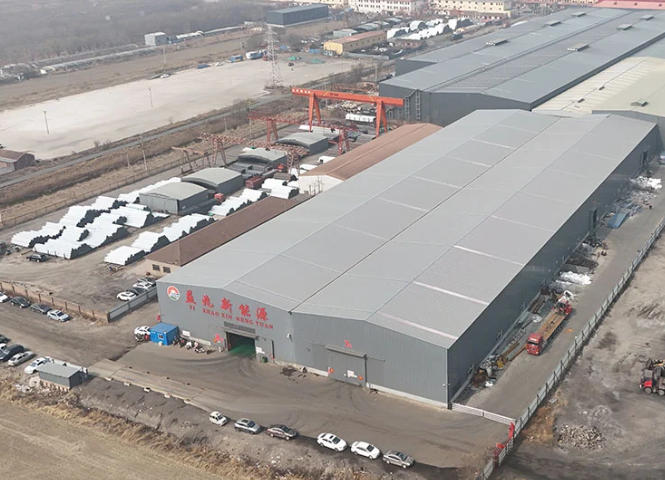
Energet Solar Solution, founded in 2015 in Tianjin, is a leading PV mounting manufacturer in China, specializing in the R&D, design, production, and sales of photovoltaic mounting systems. Our product portfolio includes complete sets of fixed and tracking PV mounting systems made from zinc-aluminum-magnesium, hot-dip galvanized steel, and aluminum alloy, along with comprehensive accessories including Ground Solar Fasteners, purlins, diagonal braces, columns, inclined beams, and connectors.
With four modern factories spanning over 100,000 square meters, a raw material reserve of 50,000 tons, and an annual production capacity of 500,000 tons, we are equipped to meet the large-scale and urgent order needs of global customers. Our workshops are outfitted with advanced production and management systems, ensuring standardized and efficient processes from raw material input to finished product delivery. Relying on Tianjin's advantages in carbon steel cost, rapid technological iteration, and proximity to Tianjin Port, we minimize customer costs and lead times. Guided by our mission of "Accelerating Global Carbon Neutrality," we are committed to delivering reliable, high-performance products that support the growth of the solar industry worldwide.
9. Conclusion
Ground Solar Fasteners are small but critical components that ensure the structural integrity and longevity of solar projects. From foundation anchors and structural connectors to module attachment fasteners, the right selection of materials, coatings, and quality standards directly impacts the reliability and profitability of a solar installation. Engineers and project managers must carefully evaluate environmental conditions, structural loads, installation methods, and lifecycle costs to make informed decisions.
Energet Solar Solution is committed to providing high-quality Ground Solar Fasteners that meet the demanding requirements of modern solar projects. Our products are manufactured to international standards, rigorously tested for durability, and backed by comprehensive technical support. Whether you are developing a utility-scale solar farm or a commercial installation, we have the expertise and product range to meet your needs. Contact Energet Solar Solution today to discuss your Ground Solar Fastener requirements and discover how our products can enhance the reliability and performance of your solar project.
Related News
- Why Is Self-healing ZAM Steel Pipe Becoming a Smarter Choice for Long-Life Solar Structures
- Why Is a Transverse Steel Water Gutter Essential for Reliable Solar PV Drainage
- How Can Self-healing ZAM Steel Pipe Deliver Longer-Lasting Corrosion Protection for Solar Structures
- How Does Cold Formed Steel Purlin Improve the Strength and Efficiency of Solar Structures?
- How Does a Solar Fasteners Kit Improve PV Installation Reliability?
- How Can Structural Steel Shape Improve the Strength and Efficiency of Solar Mounting Structures?
Leave me a message