News
How Can Cold Formed Steel Purlin Improve the Strength, Efficiency, and Durability of Solar Mounting Structures
Article Summary: Cold formed steel purlin plays an essential role in modern steel construction and photovoltaic mounting systems. By combining lightweight structural design, precise dimensions, reliable load-bearing performance, and protective surface coatings, it provides an efficient solution for supporting solar panels and industrial building structures. This article explores the manufacturing process, structural advantages, material options, technical specifications, applications, and purchasing considerations of cold formed steel purlins. It also explains how Energet Solar supports global customers with customized steel purlin solutions for different engineering requirements.
As the global demand for renewable energy infrastructure and efficient steel construction continues to grow, selecting dependable structural components has become increasingly important. Energet Solar specializes in manufacturing Cold Formed Steel Purlin for photovoltaic mounting systems and industrial steel structures, offering C-shaped and Z-shaped profiles with customized dimensions, galvanized and ZAM surface treatments, and precision manufacturing processes. These products help engineering contractors, solar developers, and steel structure manufacturers achieve stable structural connections, efficient installation, and long-term project reliability.
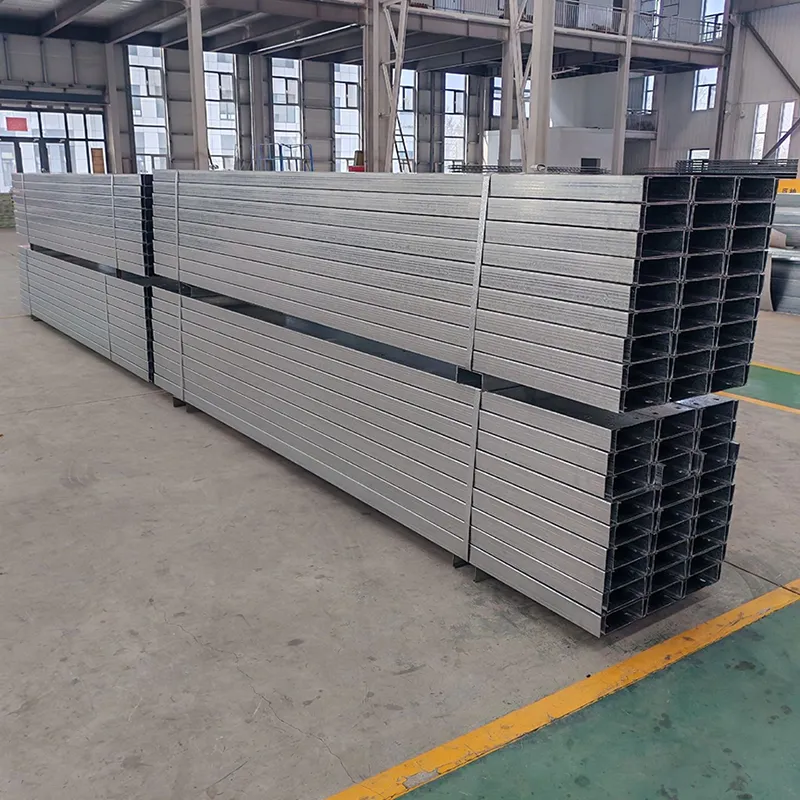
Table of Contents
- What Is Cold Formed Steel Purlin?
- How Is Cold Formed Steel Purlin Manufactured?
- What Are the Main Advantages?
- Technical Specifications and Material Options
- Where Is Cold Formed Steel Purlin Used?
- How to Select the Right Steel Purlin
- Installation and Maintenance Recommendations
- Manufacturing Quality and Supplier Capabilities
- Frequently Asked Questions
- Conclusion
1. What Is Cold Formed Steel Purlin?
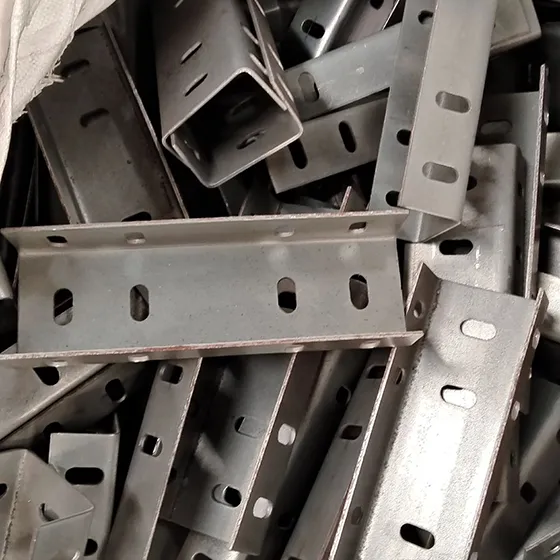
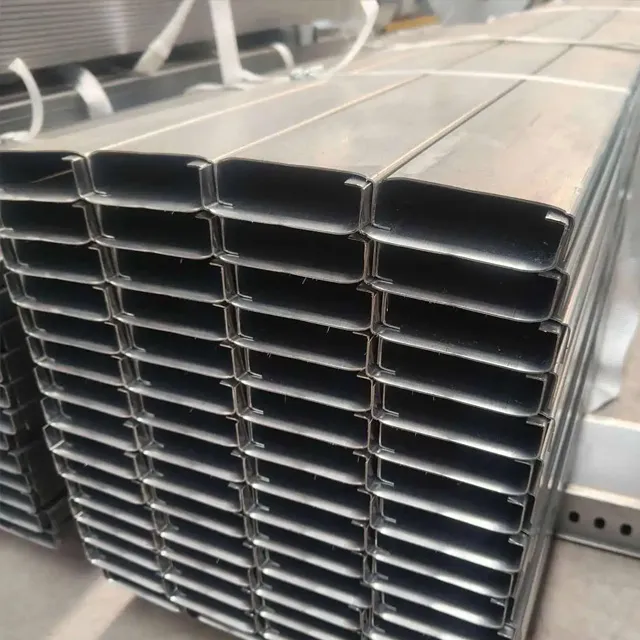
A cold formed steel purlin is a structural steel component manufactured by shaping flat steel strips or coils at room temperature. Through a continuous roll-forming process, the original flat material is transformed into specific cross-sectional profiles, commonly C-shaped and Z-shaped sections.
Unlike conventional hot-rolled structural sections, cold-formed purlins are produced without heating the steel to high temperatures during the forming process. This manufacturing approach allows manufacturers to achieve accurate dimensions, consistent wall thickness, and efficient material utilization.
In photovoltaic mounting systems, cold formed steel purlins generally function as secondary load-bearing members. They connect primary support beams, provide attachment points for mounting brackets, and help distribute loads across the solar panel support structure.
Two common configurations include:
- C-shaped purlins: Suitable for many straightforward support arrangements, including roof structures, solar mounting frames, and general steel construction.
- Z-shaped purlins: Frequently used in overlapping structural arrangements and applications where continuous support across multiple spans is required.
The appropriate profile depends on the engineering design, structural loading, installation method, and connection requirements. For solar projects, selecting the correct profile is particularly important because the supporting structure must accommodate module weight, wind pressure, snow loads, and environmental exposure.
2. How Is Cold Formed Steel Purlin Manufactured?
Manufacturing quality directly influences the dimensional consistency, connection accuracy, and structural performance of steel purlins. Modern production typically combines high-quality steel materials with continuous roll forming, automated punching, precision cutting, and surface treatment.
At Energet Solar, the manufacturing process incorporates several key stages:
Raw Material Selection
The process begins with carefully selected steel strip materials. Suitable raw materials should provide stable mechanical properties, appropriate strength, and good ductility to withstand forming operations without unnecessary deformation or cracking.
Precision Cold Roll Forming
Steel strips pass through a series of forming rollers that gradually create the required C-shaped or Z-shaped profile. Continuous cold bending helps maintain consistent geometry and supports efficient mass production.
Automated Punching and Cutting
Precision punching equipment creates mounting holes and connection openings according to the specified drawings. Automated cutting then produces the required lengths while maintaining dimensional consistency.
Surface Treatment and Quality Inspection
Depending on project requirements, purlins can receive hot-dip galvanized or ZAM coatings. Quality inspection covers important characteristics such as dimensions, flatness, hole positioning, and coating performance.
This integrated manufacturing approach helps improve production efficiency while ensuring that finished components are suitable for accurate assembly in photovoltaic and steel construction projects.
3. What Are the Main Advantages of Cold Formed Steel Purlin?
Cold formed steel purlins offer several engineering and commercial advantages that make them attractive for modern construction projects.
3.1 Lightweight Structural Design
Cold-formed profiles can achieve favorable strength-to-weight characteristics through efficient cross-sectional geometry. Their relatively low weight can help reduce transportation demands, handling difficulties, and the overall dead load of a supporting structure.
3.2 High Dimensional Accuracy
Precision roll forming and automated punching help maintain consistent profile dimensions and hole spacing. Accurate manufacturing makes it easier for installation teams to align brackets, bolts, and connecting components during assembly.
3.3 Efficient Material Utilization
Cold forming allows manufacturers to produce functional structural profiles from flat steel strips. By optimizing profile geometry and material thickness, engineers can develop solutions that balance structural requirements and material consumption.
3.4 Corrosion Protection Options
Surface protection is important for outdoor solar installations and industrial structures. Hot-dip galvanizing and zinc-aluminum-magnesium (ZAM) coatings provide protective layers that help reduce corrosion risks when the products are exposed to moisture and environmental conditions.
3.5 Flexible Customization
Different projects require different purlin lengths, widths, heights, thicknesses, and hole arrangements. Customized manufacturing based on CAD drawings allows suppliers to match specific engineering designs and installation requirements.
3.6 Suitable for Large-Scale Production
Continuous roll-forming equipment and automated processing support repeatable manufacturing and efficient batch production. This is particularly valuable for utility-scale photovoltaic projects that require large quantities of standardized structural components.
4. Technical Specifications and Material Options
Technical specifications are among the most important factors when evaluating a cold formed steel purlin manufacturer. Buyers should consider profile dimensions, steel grade, material thickness, coating type, and mechanical performance before placing an order.
Energet Solar provides standard and customized steel purlin solutions with the following product specifications:
| Technical Parameter | Available Specification |
|---|---|
| Product Type | Cold Formed Steel Purlin |
| Profile Shape | C-Shaped / Z-Shaped |
| Length | 1,000–6,000 mm |
| Width | 40–80 mm |
| Height | 50–220 mm |
| Thickness | 1.8–3.0 mm |
| Carbon Steel Grades | Q235B / Q355B (S235JR / S355JR) |
| Hot-Dip Galvanized Coating | 45–120 μm |
| ZAM Material Options | S250GD + ZAM275 g/m² |
| Additional ZAM Grades | S350GD + ZAM275 g/m²; S420GD + ZAM275 g/m² |
| Main Applications | Solar Mounting Systems, Steel Structures, Solar Carports |
Understanding Steel Material Grades
Steel grade selection should be based on the structural design and required mechanical properties.
- Q235B / S235JR: Common structural steel grades suitable for many general construction applications, subject to engineering verification.
- Q355B / S355JR: Higher-strength structural steel options that may be appropriate for applications requiring greater material strength.
- S250GD: A structural steel grade commonly used in coated steel products.
- S350GD: A higher-strength option for applications requiring improved structural performance.
- S420GD: A higher-strength coated steel grade that can be considered for demanding structural designs.
It is important to distinguish between material strength and complete structural capacity. The final load-bearing performance depends not only on steel grade but also on profile geometry, thickness, span, support conditions, connection details, and applicable engineering standards.
5. Where Is Cold Formed Steel Purlin Used?
The combination of structural efficiency, manufacturing flexibility, and protective coating options makes cold formed steel purlin suitable for a wide range of construction and renewable energy applications.
5.1 Ground-Mounted Solar Power Stations
Large photovoltaic power stations require extensive supporting structures to hold solar modules at the designed angles. Steel purlins connect the main support members and provide reliable mounting positions for module-supporting components.
5.2 Rooftop Photovoltaic Systems
Commercial and industrial rooftop solar installations need structural components that can be integrated with existing or newly designed roof-support systems. Correctly specified purlins help distribute loads and provide stable connection points for solar mounting accessories.
5.3 Solar Carports
Solar carports combine vehicle shelter structures with photovoltaic power generation. Cold formed steel purlins can serve as secondary structural members that support the roof framework and solar module mounting arrangements.
5.4 Industrial Steel Frame Buildings
Industrial facilities, warehouses, and workshops frequently use steel purlins as part of their roof and wall support systems. C-shaped and Z-shaped sections can be selected according to building dimensions and structural design requirements.
5.5 General Steel Structures
Depending on engineering specifications, cold formed profiles can also be incorporated into supporting frameworks involving beams, columns, and other structural members.
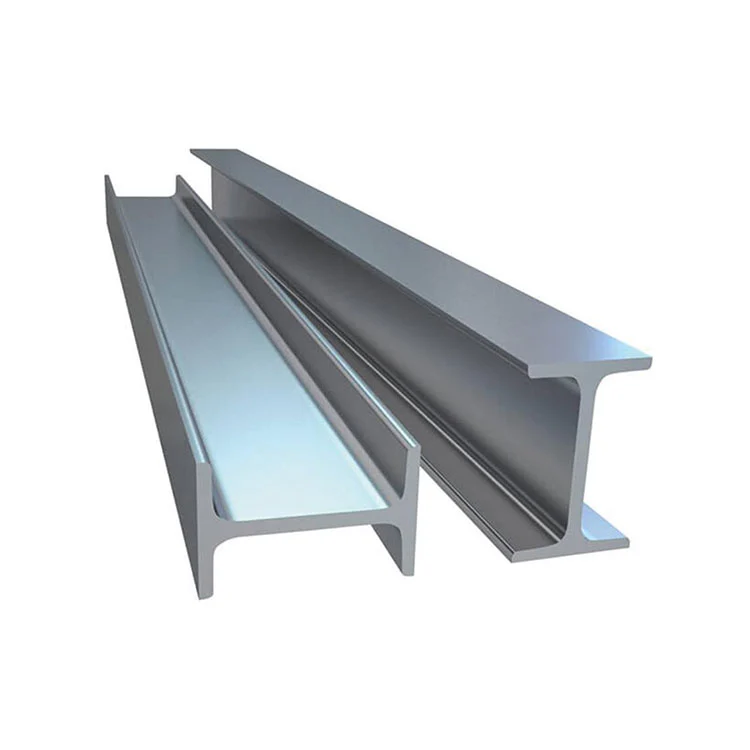
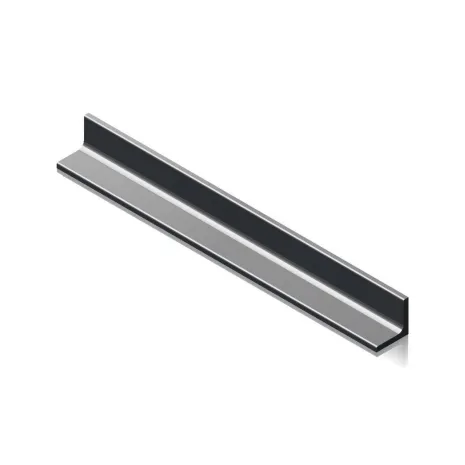
For related structural components, buyers can explore Energet Solar's C-Channel Steel and Structural Steel Shapes product categories.
6. How to Select the Right Cold Formed Steel Purlin
Choosing a suitable purlin requires more than comparing unit prices. Procurement teams should evaluate structural requirements, environmental conditions, manufacturing capabilities, and long-term operating costs.
The following considerations can help simplify the selection process.
- Determine the structural loading requirements. Identify dead loads, wind loads, snow loads, maintenance loads, and other project-specific forces.
- Choose the appropriate profile. Compare C-shaped and Z-shaped profiles according to span arrangements, connection details, and structural calculations.
- Confirm material thickness and steel grade. Ensure that the selected material meets the engineer's design requirements.
- Evaluate corrosion exposure. Consider humidity, rainfall, coastal conditions, industrial pollutants, and other environmental factors when selecting surface treatments.
- Check dimensional compatibility. Verify the required length, width, height, hole diameter, hole spacing, and connection positions.
- Review supplier manufacturing capabilities. Evaluate production equipment, quality inspection procedures, customization experience, and delivery capacity.
- Request technical documentation. Obtain drawings, material information, coating specifications, and inspection records where applicable.
For international solar projects, it is particularly important to confirm that the purlin specifications are compatible with the project's applicable building codes and structural design standards.
7. Installation and Maintenance Recommendations
Even a well-manufactured cold formed steel purlin requires proper installation and maintenance to achieve its intended service performance.
Installation Recommendations
- Follow approved engineering drawings: Install purlins according to the specified spacing, orientation, and connection details.
- Avoid unauthorized modifications: Random cutting, drilling, or bending can affect structural performance. Any modifications should be reviewed and approved by the responsible engineer.
- Maintain correct installation spans: Do not exceed the design span or loading limits specified by the structural calculations.
- Protect surface coatings: Avoid unnecessary impacts and scratches during transportation, lifting, and installation.
- Use compatible fasteners: Select appropriate bolts, screws, and connecting accessories to ensure reliable connections and minimize corrosion risks.
Routine Maintenance
Periodic inspections can help identify early signs of deterioration and reduce unexpected maintenance costs.
- Inspect exposed surfaces for coating damage and corrosion.
- Check bolted connections and supporting components for looseness.
- Keep drainage paths clear to prevent prolonged water accumulation.
- Pay particular attention to coastal and high-humidity installations.
- Repair damaged protective coatings using an appropriate method recommended for the coating system.
Maintenance frequency should be determined according to environmental exposure, project requirements, and applicable inspection standards.
8. Manufacturing Quality and Supplier Capabilities
When purchasing cold formed steel purlin in bulk, supplier capabilities are just as important as the product specifications. A dependable manufacturer should provide consistent dimensions, traceable material information, stable production capacity, and responsive technical support.
Advanced Production Facilities
Energet Solar leverages Tianjin's established steel structure supply chain and modern production facilities. Its manufacturing capabilities include cold-roll forming, automated punching, laser cutting, and surface treatment.
With more than 40 production lines, the company supports continuous manufacturing of standard and customized cold formed steel purlins for different project requirements.
Quality Control Throughout Production
Quality management is implemented throughout the manufacturing process, from raw material inspection to final packaging. Important inspection activities include:
- Raw material and steel grade verification.
- Profile dimension and wall thickness checks.
- Hole positioning and spacing inspection.
- Flatness and dimensional consistency evaluation.
- Surface coating and appearance inspection.
- Final product packaging and shipment checks.
Customized Engineering Support
Different photovoltaic projects have different structural designs, environmental conditions, and installation requirements. Energet Solar supports customized production based on CAD drawings and project-specific specifications.
The company's service process covers pre-sales consultation, in-production tracking, and after-sales technical support. Its team can help customers evaluate profile options, coating requirements, project spans, and installation considerations.
Customers can also explore the company's company background and technology and quality capabilities to learn more about its manufacturing operations.
9. Frequently Asked Questions About Cold Formed Steel Purlin
Q1: What is the difference between cold formed steel purlins and hot-rolled purlins?
Cold formed steel purlins are manufactured by shaping steel at room temperature, usually through roll forming. They generally offer lightweight profiles, accurate dimensions, and efficient material utilization. Hot-rolled sections are formed at elevated temperatures and are commonly used for different structural applications. The appropriate option depends on the required cross-section, structural capacity, and project design.
Q2: What is the difference between C-shaped and Z-shaped steel purlins?
C-shaped purlins have a C-shaped cross-section and are commonly used in straightforward support arrangements. Z-shaped purlins have a Z-shaped profile and can facilitate overlapping connections in continuous-span applications. Selection should be based on structural calculations, installation conditions, and connection requirements.
Q3: Can Energet Solar manufacture cold formed steel purlins according to custom drawings?
Yes. Energet Solar supports customized manufacturing based on CAD drawings and project-specific requirements. Customers can provide dimensions, material grades, thicknesses, hole positions, and surface treatment specifications for technical evaluation.
Q4: Are cold formed steel purlins suitable for coastal areas?
They can be used in coastal projects when the steel grade, coating system, structural design, and maintenance plan are appropriately selected. Hot-dip galvanizing and ZAM275 coatings are available options for enhanced corrosion protection. The final coating specification should be determined according to the actual exposure conditions and project requirements.
Q5: What is the standard thickness of Energet Solar cold formed steel purlins?
The available thickness range is 1.8–3.0 mm. The appropriate thickness depends on the required load-bearing capacity, profile dimensions, structural span, and engineering calculations.
Q6: What is the minimum order quantity for customized steel purlins?
Energet Solar supports both standard and customized specifications. Production arrangements can be discussed according to project requirements, product specifications, and delivery schedules. Customers should contact the sales team to confirm the MOQ for their particular order.
Q7: How can buyers evaluate the quality of a steel purlin supplier?
Buyers should review the manufacturer's raw material sourcing, production equipment, dimensional inspection procedures, coating quality control, customization capabilities, and delivery performance. Requesting technical drawings and relevant inspection documentation is also recommended before bulk procurement.
10. Conclusion: Choose a Reliable Cold Formed Steel Purlin Solution
Cold formed steel purlin is an important structural component in modern photovoltaic mounting systems and industrial steel construction. Its lightweight design, dimensional accuracy, flexible profile options, and corrosion protection possibilities make it a practical choice for projects that require efficient and dependable structural support.
However, successful project implementation depends on selecting the right steel grade, profile dimensions, material thickness, coating system, and manufacturing partner. Engineering verification, accurate production, proper installation, and regular maintenance all contribute to long-term structural reliability.
As an experienced manufacturer of photovoltaic mounting components and structural steel products, Energet Solar provides standard and customized C-shaped and Z-shaped cold formed steel purlins, supported by modern production facilities, multiple surface treatment options, and comprehensive technical services. Whether you are developing a utility-scale solar power station, an industrial rooftop PV system, or a solar carport project, our team is ready to help you identify a suitable structural solution. Visit our Cold Formed Steel Purlin product page to learn more and contact us today for technical consultation, customized specifications, and a competitive quotation for your next project.
Related News
- How Can Equal Angle Steel Improve the Strength, Stability, and Durability of Solar Mounting Structures
- Is ZAM Coated Rectangular Tube the Best Choice for Long-Life Steel Structures
- How Can ZAM Steel Pipe Improve Corrosion Resistance and Extend the Service Life of Solar Mounting Structures
- How Can Unequal Angle Steel Improve Strength, Flexibility, and Efficiency in Solar Mounting Projects
- Why Is Structural Hollow Section a Smarter Choice for Stronger and More Efficient Solar Structures
- How Can Cold Formed Steel Purlin Improve the Strength, Efficiency, and Durability of Solar Structures
Leave me a message