News
Is ZAM Coated Rectangular Tube the Best Choice for Long-Life Steel Structures
Abstract: This guide from Energet Solar explains what ZAM Coated Rectangular Tube is, how zinc-aluminum-magnesium coating compares with hot-dip galvanizing and standard galv, and what to verify before specifying it for solar mounts, frames, and outdoor structures.
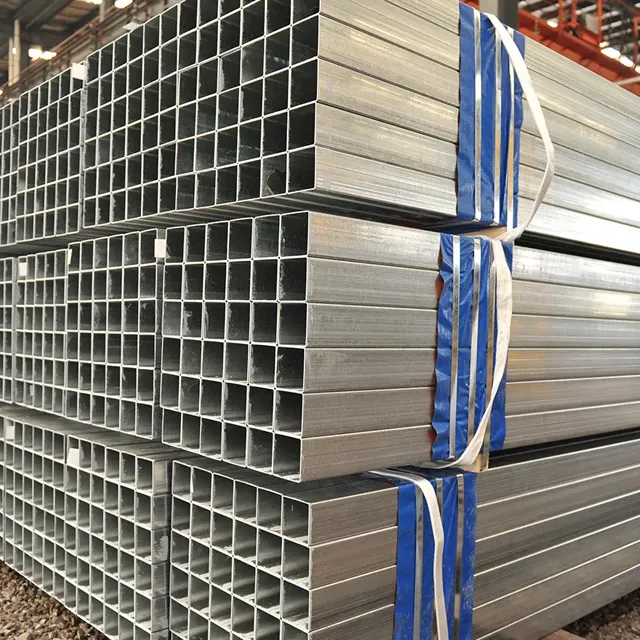
Table of Contents
- 1. What ZAM Coating Actually Is
- 2. Why Magnesium Changes Corrosion Behavior
- 3. Rectangular Tube: Forming, Welding, and Coating Integrity
- 4. Selection Criteria for Structural Applications
- 5. Comparison Table: ZAM vs. Hot-Dip Galvanized vs. Standard Galv
- 6. Where ZAM Coated Rectangular Tube Performs Best
- 7. Frequently Asked Questions (FAQ)
- 8. Talk to Energet Solar About Your Project
1. What ZAM Coating Actually Is
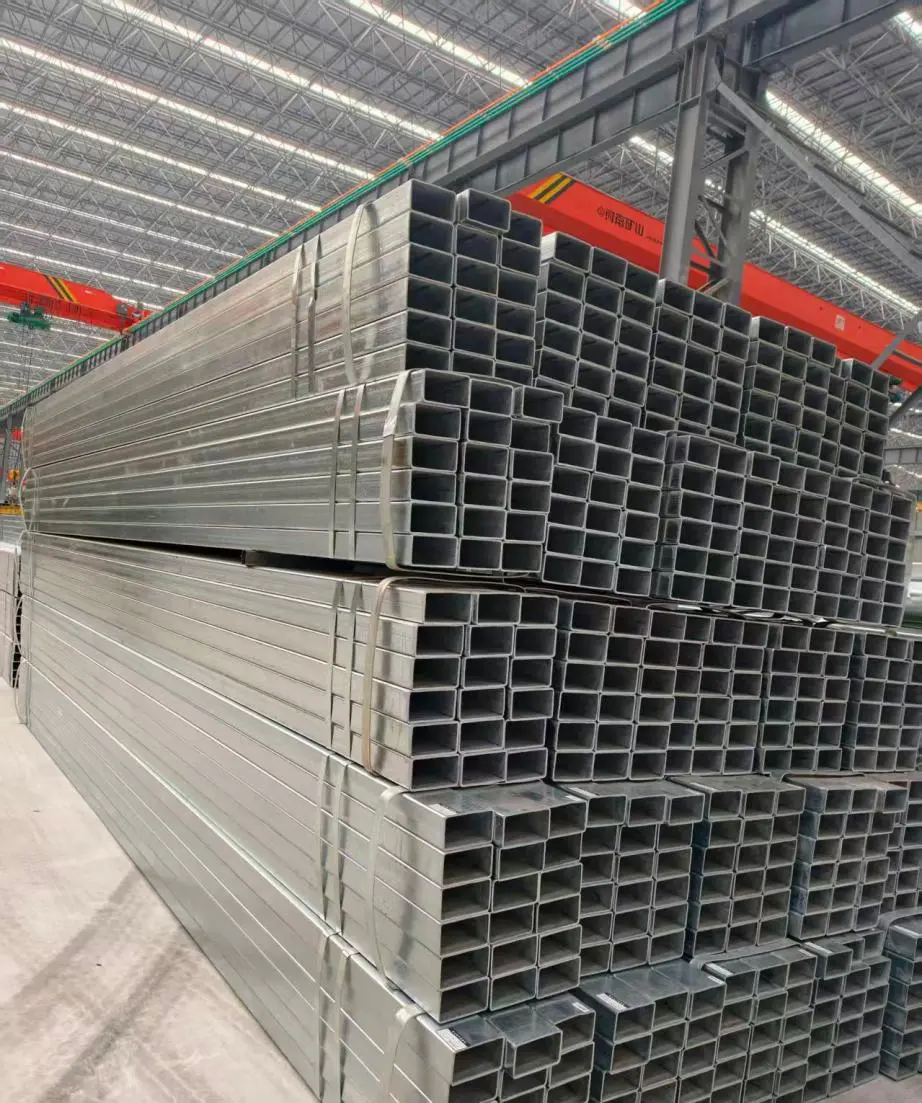
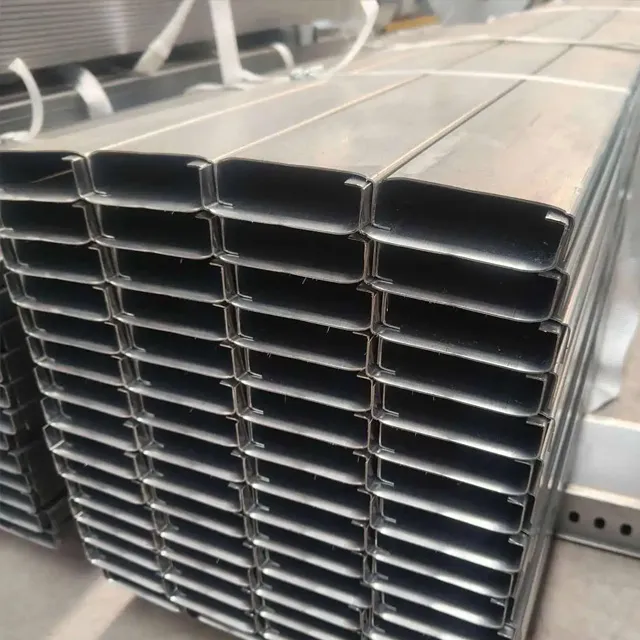
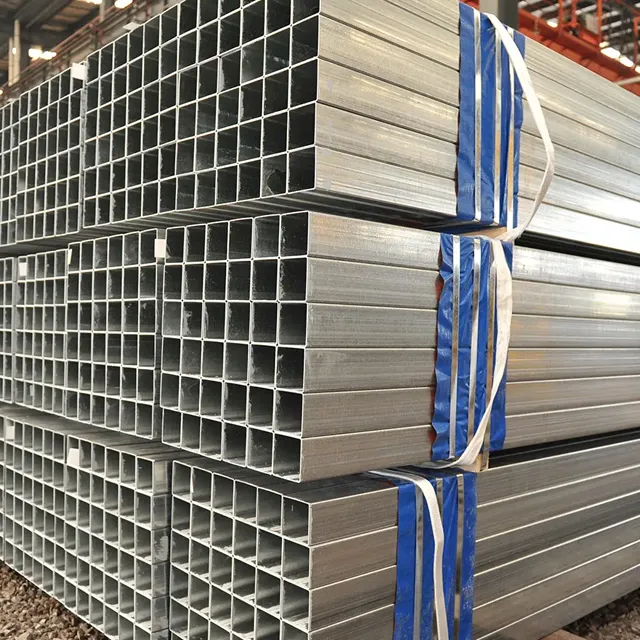
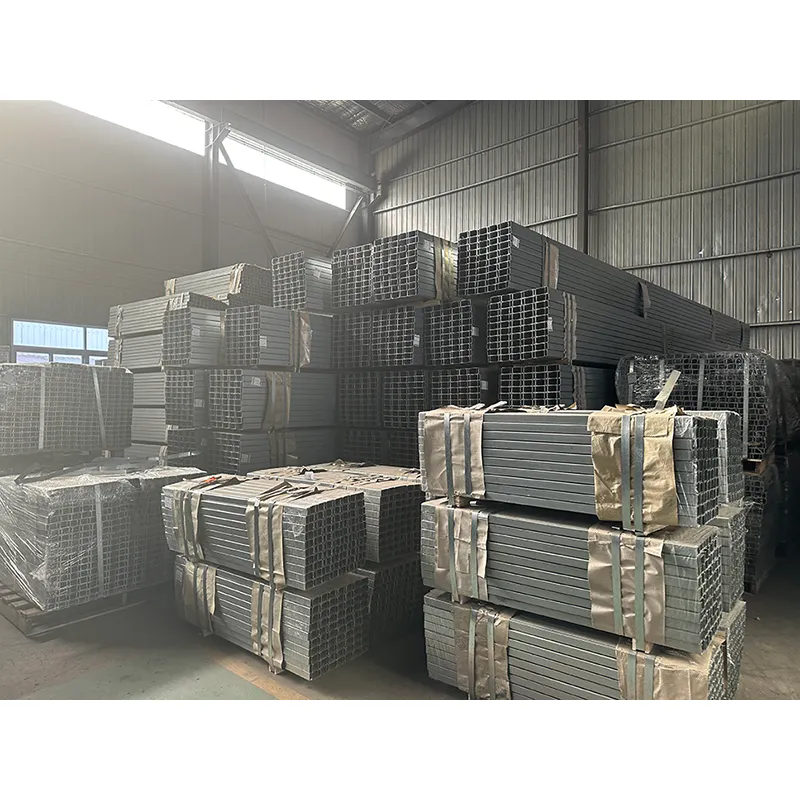
ZAM is a zinc-aluminum-magnesium coating, typically deposited on steel strip before the tube is formed. Energet Solar supplies ZAM Coated Rectangular Tube for structures where long service life and low maintenance matter—solar mounting frames, outdoor enclosures, agricultural structures, and architectural steelwork. The coating is not paint; it is a metallurgically bonded metallic layer that protects the base steel through barrier action and galvanic protection.
Compared with conventional hot-dip galvanizing, ZAM coatings are usually thinner for equivalent protection, which matters when dimensional consistency and weld quality are important. The magnesium addition is the key differentiator, and it is what gives ZAM its reputation in high-corrosion environments.
2. Why Magnesium Changes Corrosion Behavior
Zinc alone protects steel sacrificially, but its corrosion products can be soluble in certain environments, especially in the presence of chlorides. Adding aluminum and magnesium changes the corrosion product layer.
Practical effects of the magnesium addition:
- Stabilized corrosion products: The protective layer formed on cut edges is denser and less soluble, slowing further attack.
- Better edge protection: Cut ends and drilled holes—the classic weak points of coated steel—resist red rust longer.
- Improved chloride resistance: Performance in coastal and de-icing-salt environments is generally stronger than standard galvanized coating.
- Alkali resistance: Useful where tubes contact concrete or cementitious materials.
- Self-healing tendency: Magnesium compounds migrate to damaged areas and help suppress corrosion spread.
These properties are why ZAM is often specified where maintenance access is difficult—once a structure is installed on a roof or in a solar field, recoating is expensive and disruptive.
3. Rectangular Tube: Forming, Welding, and Coating Integrity
A coating is only as good as the tube beneath it. Rectangular tube production involves slitting the coil, roll forming, welding the seam, sizing, and often cutting to length. Each step affects coating performance.
Quality points to verify:
- Coating thickness consistency: Uneven thickness creates weak zones; check coating mass figures across the section.
- Weld seam treatment: The weld area should not expose bare steel or leave coating voids.
- Corner radius and dimensional tolerance: Tight tolerances matter for fabricated assemblies and bolted connections.
- Straightness and twist: Poor straightness complicates automated fabrication and solar frame assembly.
- Surface condition: Avoid excessive spangle variation, scratches, or handling marks that compromise appearance.
- Post-processing: Cutting, punching, and welding should follow procedures that preserve coating integrity and restore protection where needed.
For welded fabrications, appropriate touch-up products compatible with ZAM should be specified so that weld zones and cut ends retain protection in service.
4. Selection Criteria for Structural Applications
Choosing the right ZAM tube requires more than matching a size to a drawing.
- Coating mass/class: Specify a coating weight appropriate to the environment—higher class for coastal, industrial, or high-humidity sites.
- Steel grade and strength: Confirm yield strength and elongation suit the structural design and cold-forming needs.
- Wall thickness: Thinner walls reduce weight but affect stiffness and connection design.
- Dimensions and tolerances: Match fabrication requirements, including corner radius and straightness.
- Weldability: Confirm procedures and consumables for the coating type to avoid porosity and coating damage.
- Standards and certification: Request test reports for coating mass, mechanical properties, and dimensional checks.
- Environmental exposure: Define expected service life and corrosion category before finalizing the coating specification.
- Total cost: Compare installed cost including maintenance and recoating intervals, not only the per-ton price.
Early involvement of the tube supplier during design helps avoid fabrication problems, particularly around weld details and drainage—structures that trap water will corrode faster regardless of coating quality.
5. Comparison Table: ZAM vs. Hot-Dip Galvanized vs. Standard Galv
The table below summarizes how ZAM coated tube compares with common alternatives for outdoor steel structures.
| Attribute | ZAM Coated Tube | Hot-Dip Galvanized | Standard Galvanized (GI) |
|---|---|---|---|
| Coating composition | Zinc + aluminum + magnesium | Zinc with alloy layer | Zinc |
| Typical coating thickness | Moderate, uniform | Thick | Moderate to thin |
| Edge and cut-end protection | Strong | Good | Moderate |
| Chloride and coastal performance | Very good | Good | Moderate |
| Dimensional stability after coating | Good | Distortion possible on thin sections | Good |
| Weldability | Good with proper procedure | Requires coating removal before welding | Good |
| Maintenance requirement | Low | Low to moderate | Higher in aggressive environments |
| Typical application | Solar mounts, outdoor frames, architectural structures | Heavy structural and infrastructure work | General indoor and light outdoor use |
For projects where dimensional accuracy and long maintenance intervals both matter, ZAM coated rectangular tube frequently offers a better overall balance than thick hot-dip coatings.
6. Where ZAM Coated Rectangular Tube Performs Best
The combination of edge protection and chloride resistance makes ZAM tube suitable for demanding outdoor structures:
- Solar mounting frames: Ground-mounted and rooftop structures exposed to decades of weather.
- Agricultural buildings: Livestock housing and storage, where ammonia and humidity accelerate corrosion.
- Coastal infrastructure: Railings, walkways, and support frames where salt spray is constant.
- Architectural steelwork: Visible frames and canopies where appearance and maintenance matter.
- Outdoor enclosures: Equipment housings, kiosks, and protective frames.
- Transport infrastructure: Sign gantries and supporting structures near de-icing salt exposure.
Even with high-performance coating, design details matter: ensure drainage, avoid water traps, and specify compatible fasteners and touch-up materials to prevent galvanic and crevice corrosion.
7. Frequently Asked Questions (FAQ)
Q1: What does ZAM stand for?
A: It refers to a zinc-aluminum-magnesium coating applied to steel. The magnesium addition improves corrosion resistance and edge protection compared with conventional galvanized coatings.
Q2: How does ZAM compare with hot-dip galvanizing?
A: Hot-dip galvanizing is thicker and well-proven for heavy infrastructure. ZAM provides strong corrosion protection at a thinner, more uniform coating thickness, with better edge protection and dimensional stability—useful for fabricated structures.
Q3: Can ZAM coated tube be welded?
A: Yes, with appropriate procedures and consumables. Weld areas lose coating, so local touch-up with a compatible repair product should be specified to maintain corrosion protection.
Q4: Is it suitable for coastal environments?
A: Yes. ZAM performs well in chloride-rich environments, but the coating class and structure detailing should be specified for the actual exposure category.
Q5: How long will ZAM coating last?
A: Service life depends on coating mass, environment, and design detailing. Request corrosion data for the specific coating class and compare it with your target service life and maintenance plan.
Q6: What should I check in the supplier's test reports?
A: Coating mass or thickness, mechanical properties such as yield and tensile strength, dimensional tolerances, weld integrity, and straightness measurements.
Q7: Is ZAM tube more expensive than standard galvanized tube?
A: The initial price is often higher, but the longer maintenance interval and reduced recoating cost frequently lower the total cost of ownership over the structure's life.
8. Talk to Energet Solar About Your Project
Specifying ZAM coated rectangular tube is a decision about lifetime cost, not just steel price per ton—coating class, steel grade, dimensional tolerance, and detailing all determine how the structure performs after twenty years outdoors. Energet Solar supplies ZAM coated rectangular tube for solar mounting, agricultural structures, architectural steelwork, and coastal installations, with a focus on consistent coating quality and fabrication-friendly tolerances. Share your project drawings, environmental exposure, coating class requirements, steel grade, and quantity, and our team will help you specify the right tube and discuss supply scheduling. contact us today with your technical requirements, and we will respond with specifications and pricing—contact us now to keep your next steel structure protected for the long term.
Related News
- How Can ZAM Steel Pipe Improve Corrosion Resistance and Extend the Service Life of Solar Mounting Structures
- How Can Unequal Angle Steel Improve Strength, Flexibility, and Efficiency in Solar Mounting Projects
- Why Is Structural Hollow Section a Smarter Choice for Stronger and More Efficient Solar Structures
- How Can Cold Formed Steel Purlin Improve the Strength, Efficiency, and Durability of Solar Structures
- How Can a Steel Water Gutter for PV Roof Improve Solar Drainage and Long-Term Roof Protection
- Why Is Self-healing ZAM Steel Pipe Becoming a Smarter Choice for Long-Life Solar Structures
Leave me a message