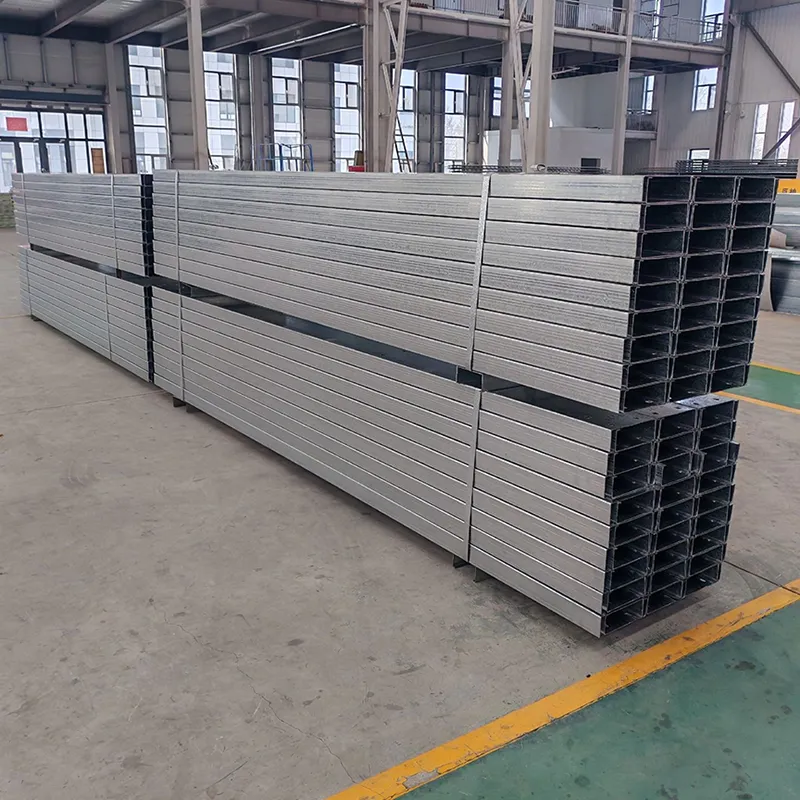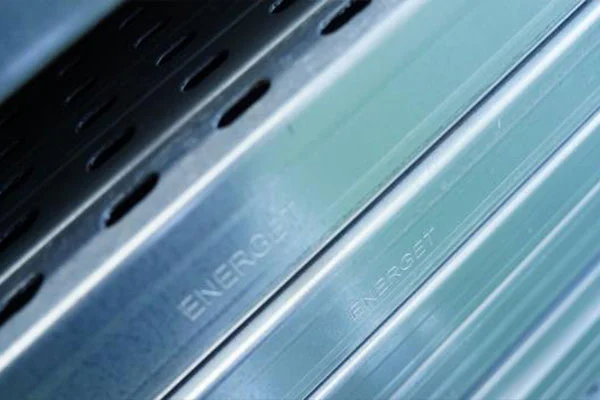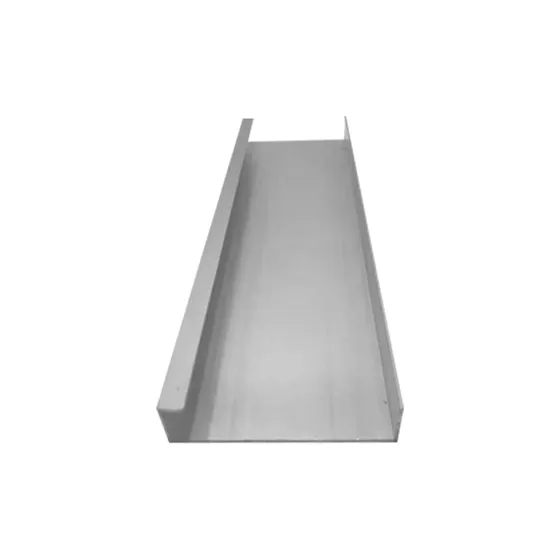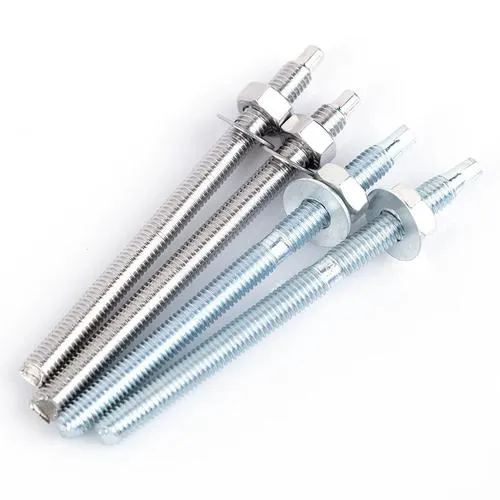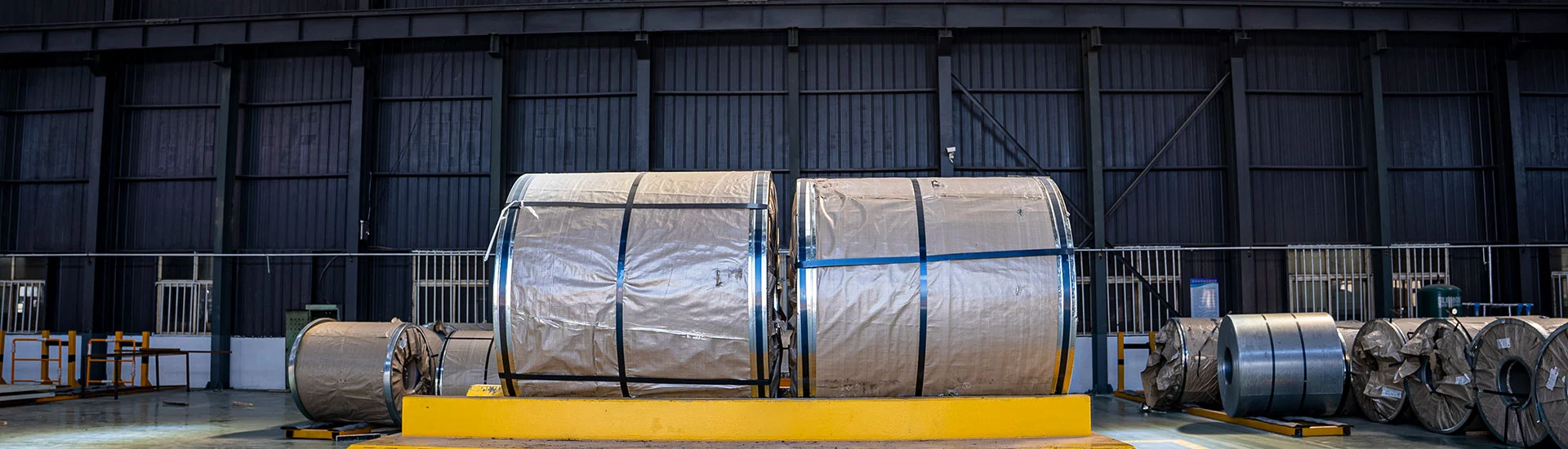
Energet Solar provides Structural Hollow Section solutions designed for photovoltaic mounting systems and outdoor steel structures, combining efficient load distribution, structural rigidity, reduced self-weight, and durable surface protection. For solar developers, EPC contractors, mounting-system manufacturers, and distributors, choosing the right hollow steel profile can directly influence structural stability, installation efficiency, and long-term project performance.
Structural Hollow Section is a closed tubular steel profile widely used in photovoltaic mounting systems, solar carports, ground-mounted solar plants, commercial rooftops, agrivoltaic structures, and other outdoor steel applications. Compared with conventional solid members, its hollow geometry can provide an efficient balance between strength, stiffness, material consumption, and structural weight.
This article explains how Structural Hollow Section works, why square and rectangular profiles are suitable for solar structures, how material grades and protective coatings affect performance, and what buyers should evaluate before selecting a supplier. It also examines manufacturing processes, customization options, quality-control considerations, and practical applications to help engineering and procurement teams make better decisions.
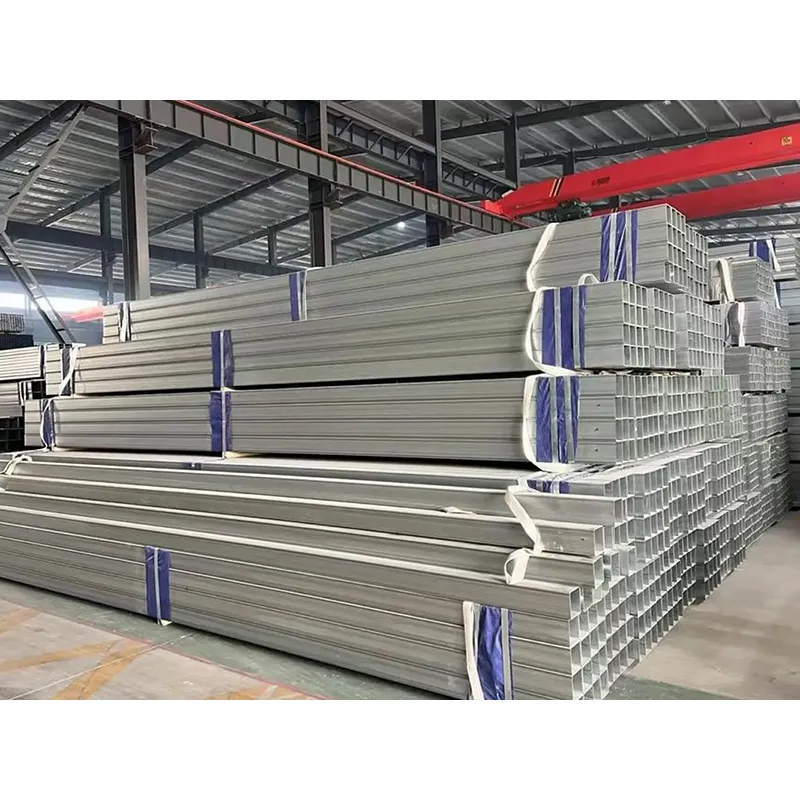
Table of Contents
- What Is Structural Hollow Section?
- Why Does the Hollow Structure Improve Structural Efficiency?
- What Are the Key Benefits for Solar Mounting Systems?
- Which Materials and Surface Treatments Are Available?
- Where Is Structural Hollow Section Used?
- How Is Structural Hollow Section Manufactured?
- How Should Buyers Select the Right Structural Hollow Section?
- Why Choose Energet Solar for Structural Hollow Section?
- Frequently Asked Questions
- Conclusion
What Is Structural Hollow Section?
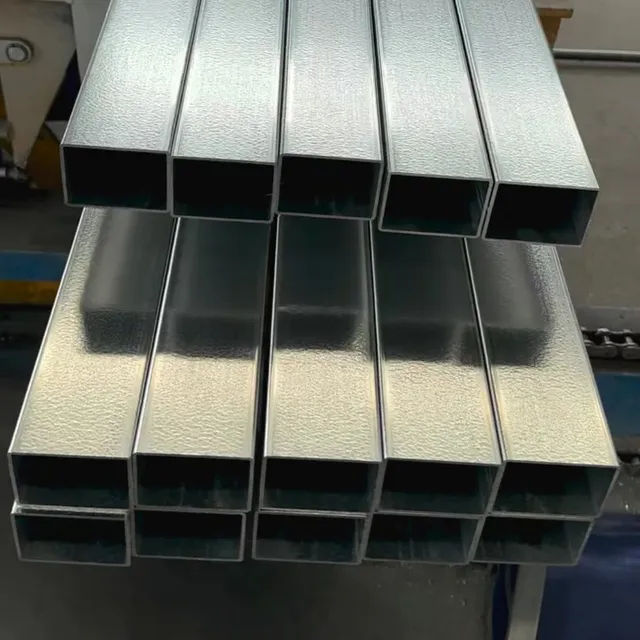
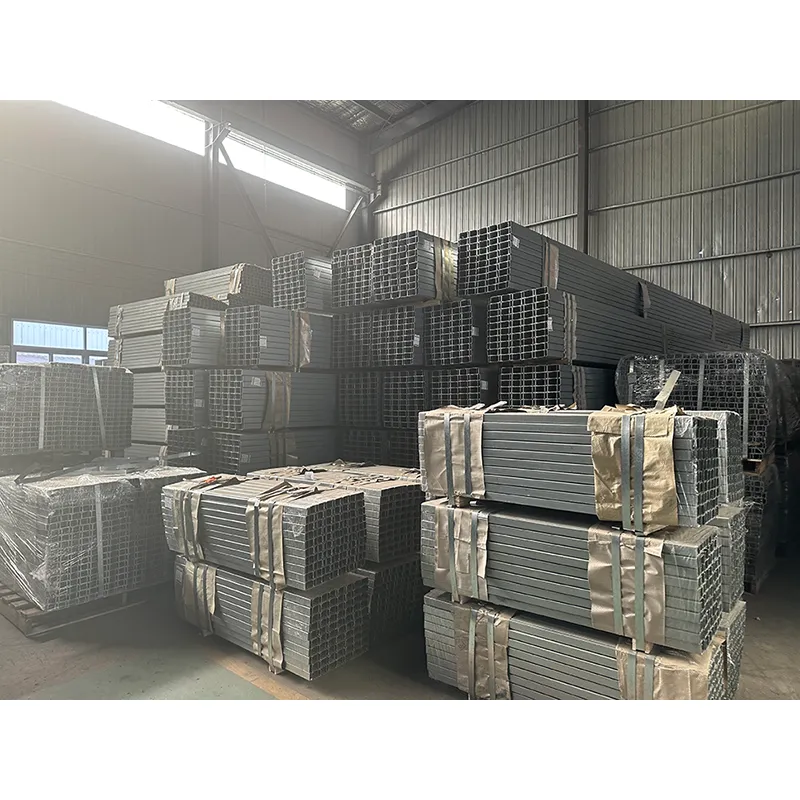
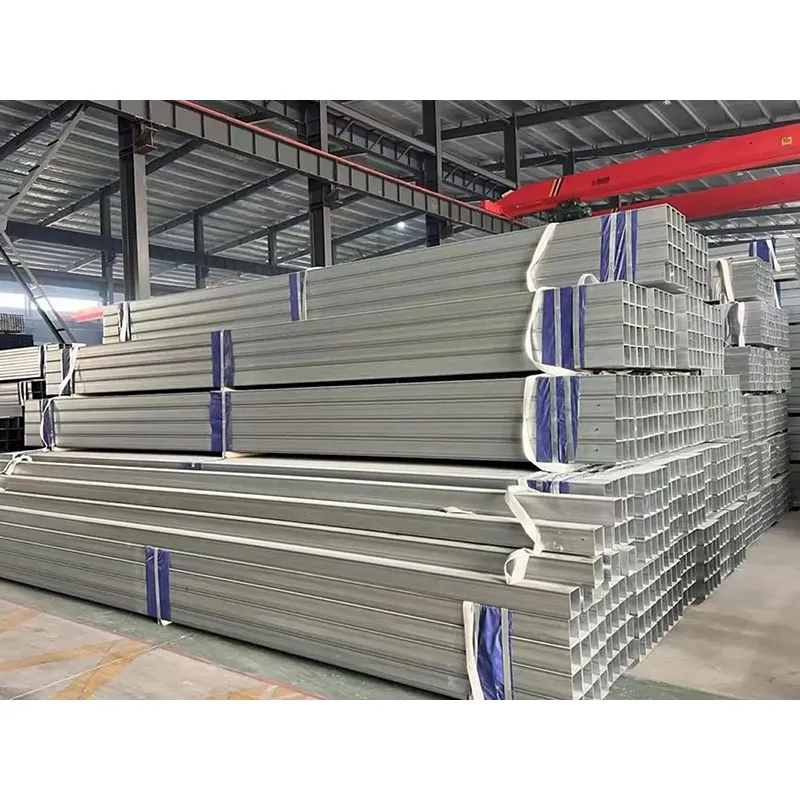
Structural Hollow Section is a tubular steel structural member with a closed cross-section. Unlike solid steel bars, it contains an internal hollow area while maintaining a continuous external profile. The most common configurations for structural applications are Square Hollow Section (SHS) and Rectangular Hollow Section (RHS).
This geometry allows engineers to achieve useful structural performance without adding unnecessary material. In photovoltaic mounting structures, hollow sections can function as columns, beams, braces, and other load-bearing members. Their closed profile is particularly valuable where structures must withstand combinations of vertical loads, wind pressure, torsional forces, and changing outdoor conditions.
For solar projects, the objective is not simply to select the heaviest steel member. A more efficient design considers strength, stiffness, section dimensions, wall thickness, connection requirements, environmental exposure, and total structural weight together.
Why Does the Hollow Structure Improve Structural Efficiency?
The performance of a Structural Hollow Section is strongly influenced by its closed tubular geometry. Material is positioned around the perimeter of the section rather than concentrated entirely in the center. This configuration can provide an efficient relationship between section size, weight, bending resistance, and torsional rigidity.
For solar mounting structures, this matters because structural members are exposed to multiple load directions. Wind can create lateral and torsional forces, while the weight of modules and mounting components creates vertical loads. A well-designed hollow section helps distribute these forces throughout the member instead of concentrating them in a small area.
- Efficient load distribution: The closed profile helps distribute structural forces across the section.
- Good bending performance: The geometry can provide useful resistance to bending while controlling structural weight.
- Torsional rigidity: Closed sections are well suited to applications where twisting resistance is important.
- Reduced self-weight: Less unnecessary material can help reduce the weight of the overall mounting structure.
- Clean structural appearance: Square and rectangular profiles provide a neat geometry for visible outdoor structures.
However, the optimum section cannot be determined by shape alone. Engineers should verify structural calculations based on local wind, snow, seismic, span, connection, foundation, and applicable design requirements.
What Are the Key Benefits for Solar Mounting Systems?
| Performance Factor | Structural Hollow Section Advantage | Solar Project Value |
|---|---|---|
| Structural Strength | Efficient closed-section geometry | Reliable support for PV modules and mounting assemblies |
| Torsional Rigidity | Closed profile improves resistance to twisting | Useful for exposed structures under variable wind loads |
| Structural Weight | Efficient use of steel around the section perimeter | Can reduce unnecessary dead load |
| Dimensional Flexibility | Available in square and rectangular configurations | Supports different structural layouts and connection designs |
| Corrosion Protection | HDG and ZAM options can be specified | Suitable for demanding outdoor environments |
| Customization | Dimensions, wall thickness, lengths, and processing can be customized | Helps match project-specific engineering requirements |
These advantages become especially relevant when a solar project involves thousands of repeated structural members. Even a small improvement in weight efficiency, dimensional consistency, or installation compatibility can influence transportation, assembly, foundation requirements, and overall project economics.
Which Materials and Surface Treatments Are Available?
Material selection should be based on structural calculations, environmental conditions, fabrication requirements, and applicable engineering standards. Energet Solar commonly supplies Structural Hollow Section using carbon steel grades such as Q235B and Q355B, while other grades can be considered according to project specifications.
Q235B Carbon Steel
Q235B is widely used for general structural applications where moderate strength and reliable fabrication characteristics are required. It can be suitable for many conventional solar mounting applications when confirmed by the structural design.
Q355B Carbon Steel
Q355B provides higher yield strength than Q235B and can be considered for projects where higher structural capacity or optimized section design is required. Engineers should select the grade based on calculated loads rather than assuming that a higher-strength grade is automatically the best solution.
Hot-Dip Galvanizing
Hot-Dip Galvanizing, commonly known as HDG, provides a protective zinc coating that helps shield steel from atmospheric corrosion. It is widely used for outdoor steel structures and photovoltaic mounting applications.
ZAM Coating
ZAM refers to zinc-aluminum-magnesium coating technology. It is designed to provide strong corrosion protection and is particularly attractive for demanding outdoor environments, including humid and coastal conditions.
When selecting a coating, buyers should consider local humidity, salt exposure, industrial pollutants, expected service life, processing requirements, and the project's maintenance strategy.
Where Is Structural Hollow Section Used?
The versatility of Structural Hollow Section allows it to serve many different structural roles. In solar engineering, its applications extend beyond a single mounting configuration.
Ground-Mounted Solar Power Plants
Hollow steel profiles can be used as columns, beams, braces, and other structural members in utility-scale photovoltaic plants. Their combination of strength and structural efficiency is useful for large arrays exposed to wind and snow loads.
Commercial and Industrial Rooftop Solar
For rooftop projects, reducing unnecessary structural weight can be an important design consideration. Properly engineered hollow sections can provide structural support while helping control the additional load imposed on the roof.
Solar Carports
Solar carports require stable columns and beams capable of supporting photovoltaic modules while creating usable parking space below. Square and rectangular hollow profiles can provide a clean architectural appearance and practical structural geometry.
Agrivoltaic and Fishery Solar Projects
Projects that combine photovoltaic generation with agricultural or aquaculture activities may require larger spans and durable outdoor structures. Structural Hollow Section can be incorporated into these systems when its dimensions and mechanical properties meet the engineering requirements.
Other Outdoor Steel Structures
Beyond photovoltaics, hollow structural profiles can also be used in equipment platforms, walkways, guardrails, supporting frames, and other outdoor steel structures.
How Is Structural Hollow Section Manufactured?
Consistent manufacturing is essential because dimensional deviations can affect connections, installation accuracy, and structural performance. A professional production process typically combines forming, welding, straightening, cutting, surface treatment, and inspection.
- Steel material preparation: Suitable carbon steel is selected according to the specified grade and project requirements.
- Precision roll forming: Steel is progressively formed into the required profile.
- Automatic welding: The formed steel is welded to create a continuous hollow section.
- Straightening: The section is processed to maintain appropriate straightness and dimensional consistency.
- Fixed-length cutting: Sections are cut according to standard or customized project dimensions.
- Surface protection: HDG, ZAM, or another specified treatment can be applied according to environmental requirements.
- Final inspection: Dimensions, wall thickness, straightness, coating quality, and other specified characteristics are checked before shipment.
For large solar projects, production consistency is particularly important because hundreds or thousands of structural components may need to fit together during installation.
How Should Buyers Select the Right Structural Hollow Section?
Choosing the right product involves more than comparing the lowest price per ton. Procurement teams should evaluate the entire technical and supply chain picture before placing an order.
1. Confirm the Structural Design
Start with the required loads, spans, support conditions, connection methods, and applicable design standards. Section dimensions and wall thickness should be selected based on engineering calculations.
2. Select the Appropriate Steel Grade
Determine whether Q235B, Q355B, or another grade is appropriate for the calculated structural requirements. Material selection should be documented and traceable.
3. Evaluate the Installation Environment
Coastal, humid, industrial, and high-exposure environments may require stronger corrosion protection than standard inland applications. HDG and ZAM should be compared based on the actual project conditions.
4. Check Dimensional Accuracy
Accurate dimensions help improve connection compatibility and installation efficiency. Buyers should confirm tolerances, wall thickness, straightness, length, and any required hole processing.
5. Consider Custom Manufacturing
For large projects, customized lengths, dimensions, wall thicknesses, holes, and surface finishes can help reduce unnecessary fabrication work at the installation site.
6. Assess Supplier Capacity
A supplier should be evaluated for manufacturing capacity, quality-control procedures, production consistency, delivery capability, technical support, and experience with photovoltaic projects.
Why Choose Energet Solar for Structural Hollow Section?
Energet Solar focuses on photovoltaic mounting systems and structural steel solutions rather than operating solely as a general steel distributor. The company has supplied structural components for more than 1,000 PV projects worldwide and operates multiple manufacturing facilities with substantial annual production capacity.
Its production capabilities include precision roll forming, automatic welding, straightening, cutting, and surface finishing. Quality procedures include dimensional measurement, wall-thickness verification, straightness inspection, coating inspection, and mechanical testing according to applicable requirements.
Energet Solar also supports customized Structural Hollow Section production. Buyers can provide project drawings or technical specifications for evaluation, allowing the engineering team to consider dimensions, wall thickness, lengths, environmental conditions, and surface protection before production.
- PV-focused structural manufacturing experience
- Square and rectangular hollow section configurations
- Q235B and Q355B carbon steel options
- Hot-Dip Galvanized and ZAM surface protection
- Customized dimensions, lengths, and wall thicknesses
- OEM and bulk production support
- Dimensional and coating quality inspection
- Support for EPC contractors, distributors, and solar mounting manufacturers
For a broader selection of structural profiles, buyers can also explore Structural Steel Shapes and related Solar Mounting Accessories from Energet Solar.
Frequently Asked Questions
What is Structural Hollow Section mainly used for?
Structural Hollow Section is primarily used as a load-bearing steel member in photovoltaic mounting systems, ground-mounted solar plants, rooftop solar structures, solar carports, agrivoltaic projects, and other outdoor steel frameworks.
What is the difference between SHS and RHS?
SHS stands for Square Hollow Section and has equal external dimensions on its two principal sides. RHS stands for Rectangular Hollow Section and has different width and height dimensions. The appropriate profile depends on structural calculations, geometry, connection requirements, and project design.
Which steel grades can be used for Structural Hollow Section?
Common options include Q235B and Q355B carbon steel. The correct grade should be selected according to the required yield strength, structural calculations, applicable standards, and project specifications.
Is Structural Hollow Section suitable for coastal solar projects?
Yes, it can be suitable when the steel grade, section design, connections, and corrosion-protection system are correctly selected. HDG and ZAM coatings can provide enhanced protection for outdoor applications, while coastal projects should receive specific engineering and corrosion-environment evaluation.
Can Energet Solar manufacture customized hollow sections?
Yes. Energet Solar supports customized dimensions, wall thicknesses, lengths, hole processing, and surface finishes. Production can be based on engineering drawings or project-specific technical specifications.
What should I provide when requesting a quotation?
For a more accurate quotation, buyers should provide the required profile type, dimensions, wall thickness, steel grade, length, quantity, surface treatment, destination, application, and available engineering drawings or technical specifications.
Conclusion
Structural Hollow Section offers an efficient solution for modern solar mounting structures because its closed tubular geometry can combine structural strength, torsional rigidity, dimensional flexibility, and controlled structural weight. When the section dimensions, steel grade, corrosion protection, manufacturing accuracy, and engineering requirements are properly matched, it can support reliable performance across ground-mounted PV plants, rooftops, solar carports, agrivoltaic systems, and other outdoor structures.
If you are sourcing Structural Hollow Section for a new photovoltaic project or need customized steel profiles based on engineering drawings, Energet Solar can provide professional product recommendations, customized manufacturing, and project-oriented support. Share your specifications, required quantities, and application details, and contact us today to discuss a suitable Structural Hollow Section solution for your project.