News
How Can ZAM Steel Pipe Improve Corrosion Resistance and Extend the Service Life of Solar Mounting Structures
Article Summary: ZAM Steel Pipe is an advanced structural steel solution that combines the strength of carbon steel with the enhanced corrosion protection of a zinc-aluminum-magnesium alloy coating. For photovoltaic mounting systems, solar carports, agricultural solar installations, and other outdoor structures, it offers a practical way to improve durability and reduce long-term maintenance demands. This article explains how ZAM coating works, compares it with conventional galvanized steel, reviews its applications, and outlines the key specifications buyers should evaluate when selecting a reliable supplier.
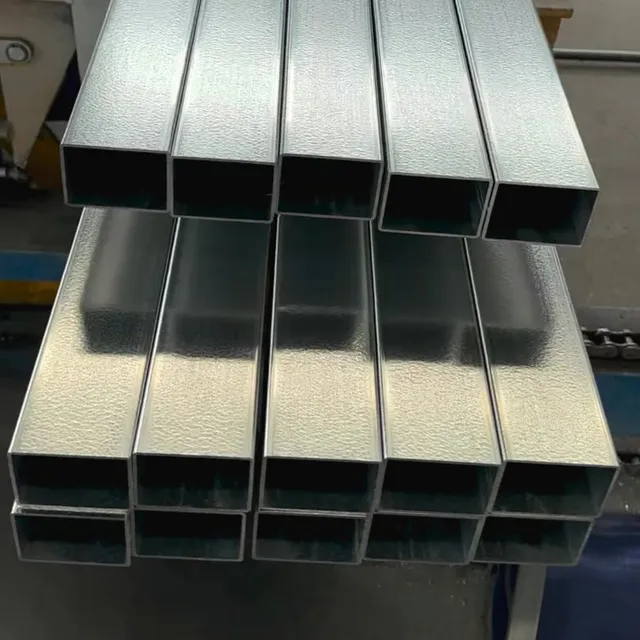
Table of Contents
2. How Does ZAM Coating Improve Corrosion Resistance?
3. What Are the Main Benefits of ZAM Steel Pipe?
4. ZAM Steel Pipe vs. Conventional Galvanized Steel Pipe
5. Where Is ZAM Steel Pipe Used?
6. How to Select the Right ZAM Steel Pipe
7. Quality Control and Manufacturing Considerations
9. Conclusion: Choosing a Reliable ZAM Steel Pipe Supplier
1. What Is ZAM Steel Pipe?
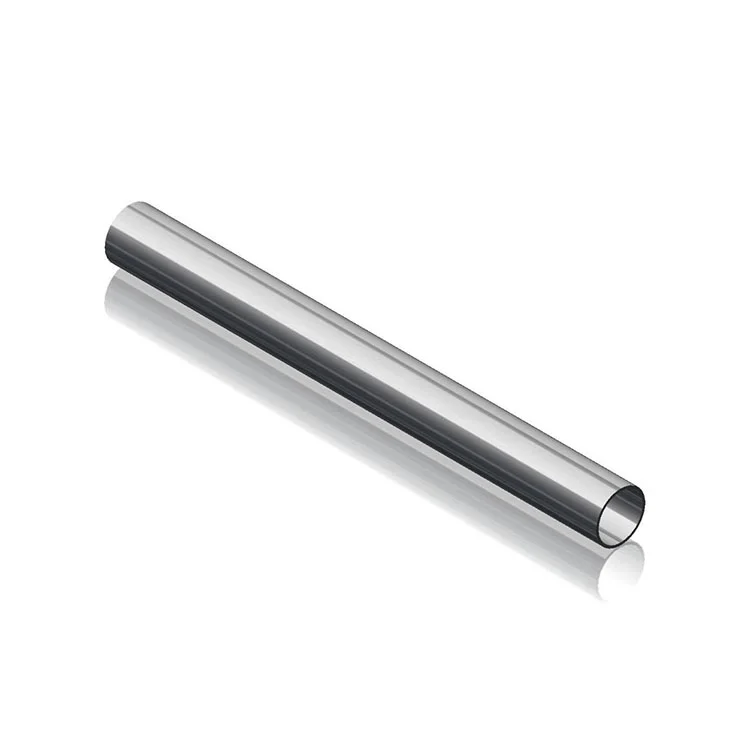
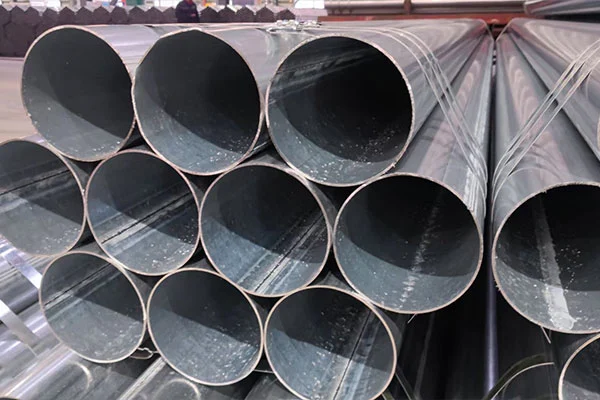
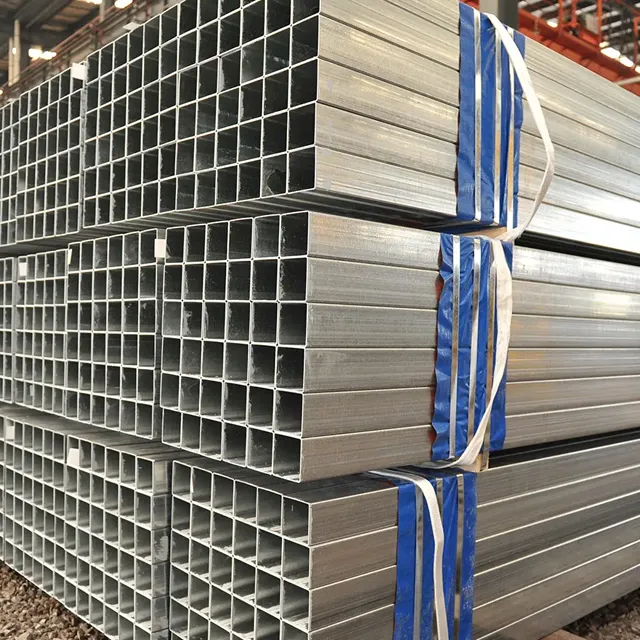
ZAM Steel Pipe is a steel tubular product protected by a zinc-aluminum-magnesium alloy coating. The combination of these metallic elements creates a protective surface designed to resist corrosion more effectively than conventional zinc-only coatings in many outdoor environments. By combining structural strength with advanced surface protection, ZAM-coated steel pipes are suitable for applications where both load-bearing performance and environmental durability matter.
According to Energet Solar's ZAM Steel Pipe product information, these pipes are designed primarily for photovoltaic mounting structures and other outdoor steel frameworks. Available base materials include Q235B and Q355B carbon steel, while pipe diameter, wall thickness, and length can be customized to meet different project requirements.
The basic product characteristics include:
- Base material: Q235B or Q355B carbon steel, selected according to structural requirements.
- Surface treatment: Zinc-aluminum-magnesium alloy coating.
- Product form: Tubular steel components for structural support and load transfer.
- Dimensions: Customizable diameter, wall thickness, and length.
- Primary applications: Solar mounting structures, solar carports, agricultural photovoltaic systems, and outdoor steel frameworks.
Unlike decorative or non-structural steel products, structural pipes must be selected according to engineering loads, installation conditions, and the expected service environment. The coating improves corrosion protection, but the steel grade and cross-sectional dimensions remain essential to overall safety.
2. How Does ZAM Coating Improve Corrosion Resistance?
Corrosion occurs when steel reacts with moisture, oxygen, salts, and other environmental agents. For outdoor solar installations, prolonged exposure to rain, condensation, coastal salt, and industrial pollutants can gradually damage inadequately protected steel surfaces.
ZAM coating addresses this challenge through a combination of barrier protection and sacrificial protection. Aluminum contributes to the formation of stable protective surface compounds, while zinc provides sacrificial corrosion protection. Magnesium helps promote the formation of protective corrosion products that can slow further deterioration.
One notable characteristic is the coating's ability to protect areas around certain minor scratches and cut edges. Under suitable conditions, corrosion products formed from the coating can spread around these areas and help inhibit red rust. This behavior is often described as a self-healing or edge-protection effect. It does not mean that severe coating damage automatically repairs itself or that exposed steel never requires inspection.
For photovoltaic structures, this characteristic is particularly valuable because steel pipes may experience handling marks, cutting, drilling, and installation-related surface damage.
Important environmental factors affecting coating performance include:
- Relative humidity and the frequency of wet-dry cycles.
- Salt concentration in coastal or marine environments.
- Industrial pollutants and chemical exposure.
- Surface damage caused by transport and installation.
- Coating composition, coating mass, and manufacturing consistency.
For a technical overview of the coating's protective mechanism, buyers can also consult this guide to self-healing ZAM Steel Pipe.
3. What Are the Main Benefits of ZAM Steel Pipe?
Enhanced Corrosion Protection
The zinc-aluminum-magnesium coating is engineered to improve resistance to atmospheric corrosion compared with many conventional galvanized products under comparable conditions. This makes ZAM Steel Pipe a useful option for outdoor structures exposed to moisture and changing weather.
Reduced Maintenance Requirements
Improved corrosion protection can reduce the frequency of coating-related maintenance when the product is correctly specified and installed. For solar farms containing thousands of structural members, limiting maintenance work can help simplify long-term asset management. Actual maintenance needs still depend on site conditions, coating specifications, and inspection results.
Reliable Structural Performance
The coating protects the steel surface, while the underlying carbon steel provides the mechanical strength required for structural applications. Q235B and Q355B offer different strength characteristics, allowing engineers to choose a suitable material based on design loads and structural calculations.
Flexible Project Customization
Large solar installations rarely use one universal pipe specification. Custom dimensions allow structural designers to coordinate pipe sizes with connection details, support spacing, and installation methods. Customized lengths can also help reduce unnecessary cutting and improve assembly efficiency.
Potential Lifecycle Cost Advantages
Although the initial purchase price is only one part of material selection, corrosion resistance can influence the total cost of ownership. Buyers should compare the initial material cost, expected maintenance, replacement requirements, installation expenses, and environmental exposure over the intended service period rather than choosing solely by unit price.
4. ZAM Steel Pipe vs. Conventional Galvanized Steel Pipe
Both ZAM-coated and conventional galvanized steel pipes are used to protect steel from corrosion. The main difference lies in the metallic coating composition and its behavior in specific environments. Conventional galvanized products primarily rely on zinc, while ZAM coatings combine zinc with aluminum and magnesium.
| Comparison Factor | ZAM Steel Pipe | Conventional Galvanized Steel Pipe |
|---|---|---|
| Coating composition | Zinc, aluminum, and magnesium alloy | Primarily zinc |
| Corrosion protection | Enhanced protection in many relevant environments | Effective protection when properly specified |
| Cut-edge behavior | Protective corrosion products can help inhibit corrosion near minor damaged areas | Zinc provides sacrificial protection, depending on coating condition and exposure |
| Outdoor suitability | Suitable for demanding outdoor applications when correctly specified | Suitable for many general outdoor applications |
| Initial cost | Depends on coating specification, dimensions, and order volume | Depends on galvanizing process, dimensions, and order volume |
| Best selection criteria | Environmental exposure, coating requirements, structural loads, and lifecycle cost | Environmental exposure, coating requirements, structural loads, and lifecycle cost |
Which option is better? ZAM Steel Pipe deserves consideration when corrosion protection is a major project priority, especially in humid, coastal, or industrial environments. Conventional galvanized steel can remain an appropriate choice for less demanding conditions or projects with different budget and specification requirements.
There is no universal service-life multiplier that applies to every installation. A meaningful comparison requires equivalent testing conditions, defined coating specifications, and consideration of the actual operating environment.
5. Where Is ZAM Steel Pipe Used?
Ground-Mounted Solar Power Stations
Utility-scale photovoltaic projects need structural components that support panels and transfer loads safely to the foundation. ZAM-coated pipes can serve as supporting members in systems exposed to wind, rain, temperature changes, and prolonged outdoor operation.
Solar Carport Structures
Solar carports combine parking facilities with photovoltaic generation. Their steel frameworks must support the designed loads while maintaining durability under continuous outdoor exposure. Appropriately specified ZAM Steel Pipe can help meet these requirements.
Agricultural Photovoltaic Systems
Agricultural solar projects may operate in environments with frequent irrigation, high humidity, rainfall, and soil-related exposure. Corrosion protection should therefore be evaluated alongside structural strength, foundation design, and the site's drainage conditions.
Other Outdoor Steel Frameworks
ZAM Steel Pipe can also be considered for selected industrial support frames, equipment structures, and outdoor framework projects where its coating properties and tubular geometry meet the engineering specification.
In every application, the final design must account for wind pressure, snow loads where applicable, structural spans, connection details, local building requirements, and the relevant project standards.
6. How to Select the Right ZAM Steel Pipe
Choosing a suitable product involves more than specifying a coating type. Procurement teams should align material requirements with structural calculations, environmental conditions, fabrication needs, and delivery schedules.
| Selection Parameter | What to Confirm | Why It Matters |
|---|---|---|
| Steel grade | Q235B, Q355B, or another approved grade | Determines the mechanical properties available for structural design |
| Outer diameter | Project-specific dimension and tolerance | Affects section properties, connections, and installation compatibility |
| Wall thickness | Specified nominal thickness and tolerance | Influences strength, stiffness, and resistance to local deformation |
| Coating specification | Coating composition, mass, and applicable requirements | Helps establish suitable corrosion protection |
| Pipe length | Required lengths and cutting tolerances | Supports efficient transport, assembly, and installation |
| Inspection documents | Material certificates and agreed quality records | Improves traceability and procurement verification |
Before placing an order, buyers should take the following steps:
- Define the operating environment. Identify coastal exposure, humidity, industrial pollutants, and other corrosion risks.
- Confirm the structural design. Have qualified engineers determine the required steel grade, dimensions, and load capacity.
- Specify coating requirements. Request clear information on coating type, coating mass, and verification methods instead of relying on a generic corrosion-resistance claim.
- Review fabrication requirements. Confirm cutting, welding, drilling, connection details, and any required treatment of damaged surfaces.
- Verify quality documentation. Agree on dimensional tolerances, inspection procedures, material traceability, and acceptance criteria before production.
- Coordinate delivery and packaging. Confirm quantities, delivery batches, packaging methods, and project timelines to avoid installation delays.
7. Quality Control and Manufacturing Considerations
Consistent manufacturing quality is essential because structural pipes must fit accurately into larger assemblies. Even a corrosion-resistant product can cause project problems if its dimensions vary significantly or its coating is damaged during fabrication and transport.
At Energet Solar, the ZAM Steel Pipe production process focuses on steel material selection, pipe forming, welding control, fixed-length cutting, surface finishing, and final inspection. The company's product offering is intended to support photovoltaic mounting structures and other outdoor steel applications requiring customized dimensions.
When assessing a supplier, project teams should request evidence covering the following areas:
- Raw material verification: Confirmation that the supplied steel grade matches the approved specification.
- Dimensional inspection: Checks of outer diameter, wall thickness, length, and straightness against agreed tolerances.
- Weld quality: Appropriate inspection of welded seams based on the product design and applicable requirements.
- Coating verification: Checks of coating characteristics and surface condition using agreed inspection methods.
- Batch traceability: Documentation that connects supplied products with relevant production and inspection records.
- Packaging and handling: Measures to limit abrasion, deformation, and unnecessary coating damage during shipment.
Applicable standards should be selected according to the base steel product, coating process, destination market, and engineering specification. Standards for coated steel sheet are not automatically interchangeable with requirements for finished structural pipe. Buyers should confirm the exact standard and its scope with the manufacturer and project engineer.
For more information about customized solar structural products, visit the Energet Solar website.
8. Frequently Asked Questions
1. What does ZAM stand for in ZAM Steel Pipe?
ZAM stands for zinc-aluminum-magnesium, the principal metallic elements in the protective alloy coating. This coating is designed to improve corrosion resistance and protect steel in suitable operating environments.
2. Is ZAM Steel Pipe better than galvanized steel pipe?
ZAM Steel Pipe can offer better corrosion protection than conventional galvanized pipe under many comparable conditions. The best choice depends on the specific coating, environmental exposure, structural requirements, cost, and applicable project standards.
3. Is ZAM Steel Pipe suitable for coastal solar projects?
Yes, it can be a suitable option for coastal photovoltaic structures because of its enhanced corrosion-protection characteristics. However, the coating specification must be selected according to the site's salt exposure, humidity, and project requirements.
4. Which steel grades are available from Energet Solar?
Energet Solar identifies Q235B and Q355B carbon steel as common base material options. The appropriate grade should be confirmed according to the structural design and project specification.
5. Can ZAM Steel Pipe be customized?
Yes. Diameter, wall thickness, and length can be customized according to project needs. Buyers should provide drawings, quantity requirements, dimensional tolerances, and coating expectations when requesting a quotation.
6. Does ZAM coating eliminate all corrosion?
No. ZAM coating improves corrosion protection but does not make steel completely immune to corrosion. Severe damage, unsuitable coating specifications, aggressive chemicals, and prolonged exposure to harsh conditions can still affect performance. Correct selection, installation, and inspection remain important.
7. What information should buyers provide when requesting a quotation?
Provide the required steel grade, outer diameter, wall thickness, pipe length, coating specification, order quantity, destination, delivery schedule, and any applicable standards or inspection requirements. Technical drawings and site exposure details can help the supplier assess the request more accurately.
9. Conclusion: Choosing a Reliable ZAM Steel Pipe Supplier
ZAM Steel Pipe combines the structural properties of carbon steel with zinc-aluminum-magnesium coating technology to address corrosion challenges in photovoltaic mounting systems and other outdoor steel structures. Its potential advantages include enhanced corrosion protection, reduced maintenance demands, flexible customization, and dependable structural performance when the product is correctly specified.
For project owners, engineers, and procurement professionals, the most effective purchasing decision balances steel grade, pipe dimensions, coating requirements, manufacturing consistency, and total lifecycle cost. Careful supplier evaluation and clear technical documentation can help ensure that the selected pipe meets both installation requirements and long-term operating expectations.
If you are sourcing durable, customized ZAM Steel Pipe for a solar mounting system, solar carport, or outdoor steel structure, Energet Solar can help you evaluate product specifications and identify a suitable solution for your project. Visit the ZAM Steel Pipe product page to learn more, or contact us with your drawings, dimensions, coating requirements, and order quantity to discuss a tailored quotation and dependable supply support.
Related News
- Is ZAM Coated Rectangular Tube the Best Choice for Long-Life Steel Structures
- How Can Unequal Angle Steel Improve Strength, Flexibility, and Efficiency in Solar Mounting Projects
- Why Is Structural Hollow Section a Smarter Choice for Stronger and More Efficient Solar Structures
- How Can Cold Formed Steel Purlin Improve the Strength, Efficiency, and Durability of Solar Structures
- How Can a Steel Water Gutter for PV Roof Improve Solar Drainage and Long-Term Roof Protection
- Why Is Self-healing ZAM Steel Pipe Becoming a Smarter Choice for Long-Life Solar Structures
Leave me a message