News
Why Is Zn-Al-Mg Steel for Solar Mounting a Smarter Choice for Durable and Corrosion-Resistant PV Structures
As solar energy projects continue to expand into coastal, agricultural, industrial, and high-humidity environments, choosing durable structural materials has become increasingly important. Energet Solar provides high-performance Zn-Al-Mg Steel for Solar Mounting, combining the structural strength of carbon steel with the enhanced corrosion resistance of zinc-aluminum-magnesium alloy coatings. Designed for demanding outdoor photovoltaic applications, this material helps improve structural durability, reduce maintenance requirements, and support the long-term reliability of solar mounting systems.
Article Summary: Zn-Al-Mg steel is an advanced coated steel material developed to provide improved corrosion protection for outdoor structures. Its zinc-aluminum-magnesium coating offers enhanced resistance to environmental exposure and helps protect vulnerable areas such as cut edges and minor surface damage. This article explains how Zn-Al-Mg steel works, its advantages over conventional galvanized steel, its applications in photovoltaic mounting systems, and the key factors buyers should evaluate when selecting a reliable manufacturer.
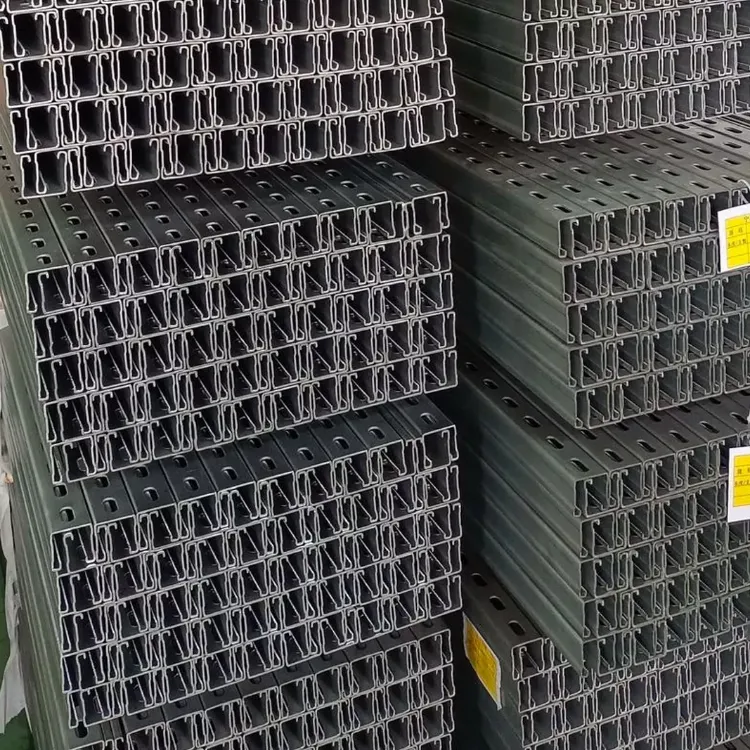
Table of Contents
1. What Is Zn-Al-Mg Steel for Solar Mounting?
2. How Does Zn-Al-Mg Coating Improve Corrosion Resistance?
3. What Are the Main Advantages of Zn-Al-Mg Steel?
4. Zn-Al-Mg Steel vs. Hot-Dip Galvanized Steel
5. Where Is Zn-Al-Mg Steel Used in Solar Mounting Systems?
6. How to Select the Right Zn-Al-Mg Steel Specifications
7. Manufacturing Quality and Engineering Assurance
8. How to Choose a Reliable Zn-Al-Mg Steel Manufacturer
10. Conclusion: Investing in Long-Term Solar Structure Performance
1. What Is Zn-Al-Mg Steel for Solar Mounting?
Zn-Al-Mg steel, also known as zinc-aluminum-magnesium coated steel or ZAM steel, is a corrosion-resistant steel product protected by a metallic alloy coating containing zinc, aluminum, and magnesium.
Unlike conventional galvanized steel, which primarily relies on a zinc protective layer, Zn-Al-Mg steel uses a multi-element coating system designed to provide improved resistance to corrosion in challenging outdoor environments.
For photovoltaic mounting applications, this combination is particularly valuable because solar support structures remain exposed to weather conditions throughout their operational life. Rainwater, humidity, airborne salt, industrial pollutants, and temperature fluctuations can gradually affect unprotected or inadequately protected steel surfaces.
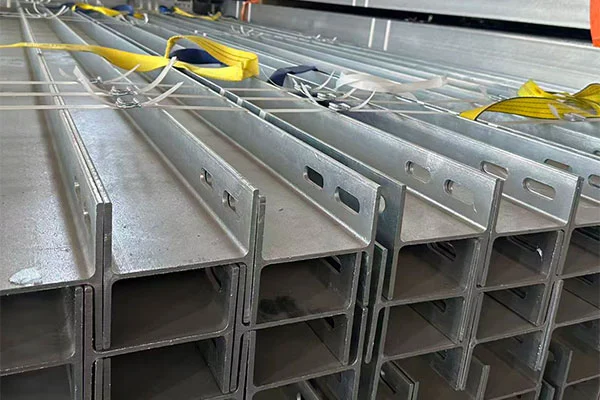
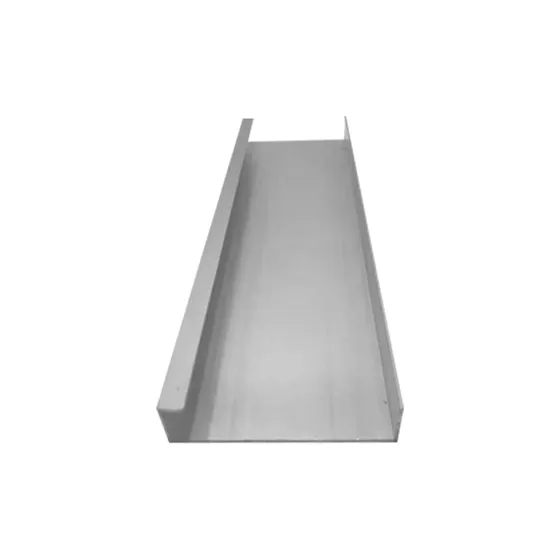
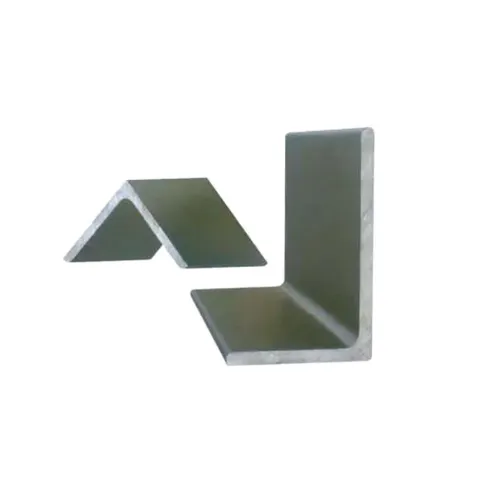
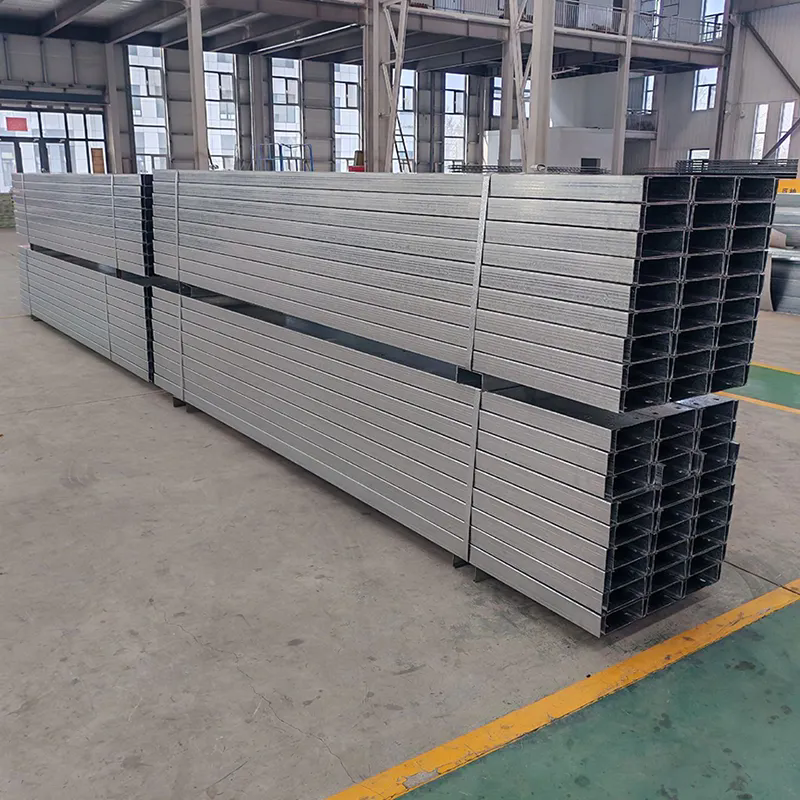
Energet Solar supplies Zn-Al-Mg steel solutions designed for different photovoltaic structural requirements. Depending on project specifications, the material can be processed into various structural profiles and components, including:
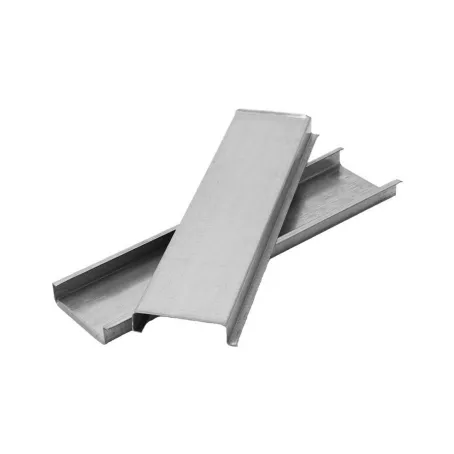
- C-channel steel: Suitable for structural support members and mounting framework components.
- U-channel steel: Used in connecting structures and supporting assemblies.
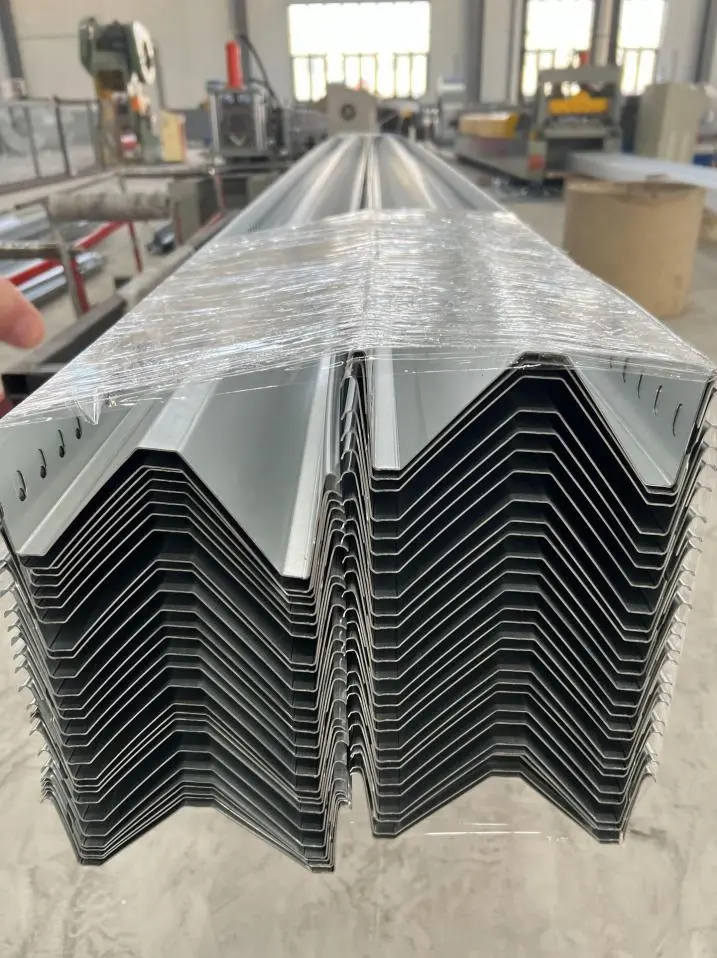
- Z-channel steel: Suitable for purlins and other structural applications.
- Square and rectangular tubes: Provide structural rigidity for solar support frameworks.
- Round steel pipes: Used in tubular support structures and related applications.
- Angle steel: Supports structural connections and reinforcement.
These different product forms allow solar mounting manufacturers, EPC contractors, and engineering companies to select materials according to structural design, installation conditions, and project requirements.
2. How Does Zn-Al-Mg Coating Improve Corrosion Resistance?
The primary advantage of Zn-Al-Mg steel comes from its specialized metallic coating. Each alloying element contributes to the protective performance of the coating system.
2.1 Zinc Provides Sacrificial Protection
Zinc acts as a sacrificial protective material. When the coating is exposed to corrosive conditions, zinc can preferentially corrode instead of the underlying steel. This mechanism helps delay the formation of red rust and protects the steel substrate.
2.2 Aluminum Helps Form a Protective Surface Layer
Aluminum contributes to the formation of stable corrosion products on the coating surface. These products help create a protective barrier that reduces the penetration of moisture and other corrosive substances.
2.3 Magnesium Enhances Protective Corrosion Products
Magnesium contributes to the formation of compact and stable corrosion products. Under suitable exposure conditions, these products can improve the protective characteristics of the coating, particularly around minor damaged areas and cut edges.
2.4 Self-Protective Behavior Around Cut Edges
One important characteristic of Zn-Al-Mg coated steel is its ability to provide additional protection around certain exposed edges. When minor scratches or cutting damage occur, corrosion products generated by the coating can migrate or accumulate around the affected area, helping inhibit further corrosion.
This behavior is especially useful for solar mounting components because cutting, punching, drilling, and mechanical installation can expose localized areas of the steel substrate.
However, self-protective behavior does not mean that every type of damage can be ignored. Deep scratches, extensive coating removal, welding areas, and severe mechanical damage should still be evaluated according to project specifications and appropriate repair procedures.
3. What Are the Main Advantages of Zn-Al-Mg Steel?
Choosing the right steel coating can directly influence the durability, maintenance requirements, and overall cost of a photovoltaic installation. Zn-Al-Mg steel provides several advantages for solar mounting structures.
3.1 Enhanced Corrosion Resistance
Zn-Al-Mg coatings are designed to provide improved corrosion protection compared with many conventional zinc-only coatings under comparable testing and exposure conditions. This makes the material suitable for projects exposed to humidity, rain, coastal air, and industrial environments.
3.2 Better Protection at Minor Damaged Areas
Solar mounting components often undergo transportation, cutting, drilling, and installation. The protective behavior of Zn-Al-Mg coatings around minor damaged areas can help reduce localized corrosion risks and improve construction tolerance.
3.3 Reduced Long-Term Maintenance Requirements
Improved corrosion resistance can help reduce the frequency of coating-related maintenance and replacement activities. For large solar farms, fewer maintenance interventions may contribute to lower lifecycle operating costs.
3.4 Suitable for Different Outdoor Environments
Zn-Al-Mg steel can be considered for various photovoltaic projects, including coastal solar farms, industrial rooftop systems, agricultural photovoltaic installations, and solar carports.
3.5 Flexible Structural Processing
Depending on the selected steel grade, coating specification, and manufacturing process, Zn-Al-Mg coated steel can be supplied in different dimensions and processed into structural profiles suitable for specific mounting configurations.
The following table summarizes its major benefits:
| Performance Factor | Zn-Al-Mg Steel Characteristics | Value for Solar Projects |
|---|---|---|
| Corrosion Resistance | Advanced multi-element metallic coating | Improves outdoor durability |
| Cut-Edge Protection | Protective corrosion products around suitable damaged areas | Helps reduce localized corrosion |
| Environmental Adaptability | Suitable for demanding outdoor exposure when correctly specified | Supports coastal and humid installations |
| Maintenance | Improved resistance to coating-related deterioration | Can reduce maintenance requirements |
| Structural Compatibility | Available in different steel profiles and configurations | Supports flexible mounting designs |
| Lifecycle Value | Balances material performance and long-term protection | Helps optimize total ownership costs |
4. Zn-Al-Mg Steel vs. Hot-Dip Galvanized Steel: Which Is Better for Solar Mounting?
Hot-dip galvanized (HDG) steel has been widely used in construction and photovoltaic mounting systems because of its established corrosion protection and practical availability. However, Zn-Al-Mg steel offers additional coating characteristics that can make it attractive for projects with more demanding environmental conditions.
The choice between these materials should consider coating specifications, fabrication requirements, environmental exposure, structural design, and overall project economics.
| Comparison Factor | Zn-Al-Mg Steel | Hot-Dip Galvanized Steel |
|---|---|---|
| Coating Composition | Zinc-aluminum-magnesium alloy | Primarily zinc |
| Corrosion Protection | Enhanced protection under suitable conditions | Reliable conventional zinc protection |
| Cut-Edge Behavior | Protective corrosion products can help protect minor exposed areas | Zinc sacrificial protection |
| Outdoor Applications | Coastal, humid, and industrial environments | General outdoor structural applications |
| Fabrication | Requires appropriate coating-compatible processing | Depends on whether galvanizing is performed before or after fabrication |
| Initial Investment | Depends on coating specification and supply conditions | Depends on steel dimensions and galvanizing requirements |
| Maintenance Considerations | Can reduce coating-related maintenance under suitable conditions | Depends on coating thickness and environmental exposure |
Which material should buyers choose?
Zn-Al-Mg steel is worth considering when a solar project requires enhanced corrosion resistance, especially in coastal, humid, or industrial environments. HDG steel remains a practical option for many standard installations where conventional zinc protection satisfies the engineering and environmental requirements.
For an accurate comparison, buyers should request documented coating specifications and comparable corrosion test results rather than relying on generalized service-life claims.
5. Where Is Zn-Al-Mg Steel Used in Solar Mounting Systems?
Zn-Al-Mg steel is suitable for a variety of photovoltaic structural applications because it combines the mechanical characteristics of steel with enhanced surface protection.
5.1 Ground-Mounted Solar Power Plants
Ground-mounted solar farms require stable support structures capable of resisting wind pressure, environmental exposure, and long-term mechanical loads. Zn-Al-Mg coated steel profiles can be used in columns, beams, purlins, braces, and other structural components.
5.2 Commercial and Industrial Rooftop Systems
Rooftop photovoltaic structures are exposed to rainwater, temperature changes, and atmospheric pollutants. Corrosion-resistant steel profiles help maintain the condition of structural support components while reducing maintenance demands.
5.3 Coastal Solar Installations
Airborne salt and high humidity can accelerate corrosion in coastal environments. Selecting an appropriate Zn-Al-Mg coating specification can improve the corrosion protection of solar mounting components in these demanding locations.
5.4 Agricultural Photovoltaic Systems
Agrivoltaic projects combine solar power generation with agricultural activities. Their support structures may experience moisture, soil-related exposure, fertilizers, and other environmental influences. Material selection should therefore account for both structural loading and site-specific corrosion risks.
5.5 Solar Carports
Solar carports require durable structural frames to support photovoltaic modules above parking areas. Zn-Al-Mg steel profiles can provide a suitable material option for columns, beams, and connecting components when their mechanical and coating specifications meet project requirements.
For additional structural components, explore Energet Solar's solar mounting accessories and structural steel shapes.
6. How to Select the Right Zn-Al-Mg Steel Specifications
Not every solar mounting project requires the same steel grade, coating characteristics, or structural dimensions. Buyers should evaluate the following technical factors before placing an order.
6.1 Select the Appropriate Base Steel Grade
The base material determines important mechanical properties, including yield strength, tensile strength, and formability.
Common structural steel options include:
- Q235B: A widely used carbon steel grade for general structural applications and projects with moderate load requirements.
- Q355B: A higher-strength structural steel option suitable for applications requiring greater load-bearing capacity.
- S275JR: A structural steel grade used in various construction applications.
- S355JR: A higher-strength structural steel option for demanding engineering applications.
The final grade should be determined by structural calculations and applicable project standards rather than coating performance alone.
6.2 Confirm Coating Specifications
Coating composition, coating mass or thickness, surface condition, and relevant test requirements should be clearly defined in the purchasing specification. Buyers should request appropriate inspection documentation to verify product consistency.
6.3 Determine Profile Dimensions
Different structural positions require different steel sections. Important dimensional parameters include:
- Profile height and width.
- Steel base thickness.
- Product length and dimensional tolerance.
- Hole positions and punching requirements.
- Cross-sectional geometry.
6.4 Evaluate the Project Environment
Environmental conditions have a significant influence on material selection. Buyers should identify whether the installation site is coastal, industrial, agricultural, inland, or exposed to other aggressive conditions.
6.5 Consider Processing and Installation
Cutting, drilling, punching, welding, and bending may affect the protective coating. Appropriate processing procedures should be established to maintain the intended corrosion protection of finished components.
A practical procurement checklist is provided below:
| Selection Item | Information to Confirm |
|---|---|
| Steel Grade | Q235B, Q355B, S275JR, S355JR, or specified equivalent |
| Coating Type | Zinc-aluminum-magnesium alloy coating |
| Dimensions | Thickness, width, height, and length |
| Profile Type | C, U, Z, H, I, square tube, or customized section |
| Processing | Cutting, punching, bending, and other fabrication requirements |
| Quality Documents | Material certificates, coating inspection, and relevant test reports |
| Delivery | Packaging, quantity, production schedule, and shipping arrangements |
7. Manufacturing Quality and Engineering Assurance
High-quality Zn-Al-Mg steel for solar mounting requires more than selecting an advanced coating. Consistent raw materials, accurate manufacturing processes, dimensional control, and reliable inspection procedures are equally important.
Energet Solar focuses on photovoltaic mounting structures and structural steel solutions, providing integrated services covering research and development, engineering design, production, and sales.
Founded in 2015 in Tianjin, China, Energet Solar has developed manufacturing capabilities to support different solar mounting projects. Its business includes fixed and tracking photovoltaic mounting systems, structural steel profiles, and related mounting accessories.
Important quality considerations include:
- Raw Material Inspection: Verify the specified steel grade and relevant material properties before production.
- Coating Verification: Check coating characteristics, surface uniformity, and compliance with agreed specifications.
- Dimensional Inspection: Confirm profile geometry, thickness, length, and dimensional tolerances.
- Fabrication Control: Monitor cutting, punching, roll forming, and other processing operations.
- Batch Traceability: Maintain relevant production and inspection records for quality management.
- Packaging Inspection: Use suitable packaging to minimize transportation damage and surface abrasion.
Energet Solar also offers customized structural steel solutions and supports different material grades and profile configurations. Its manufacturing resources include four factories and a reported annual production capacity of 500,000 tons, providing supply support for large-scale photovoltaic projects.
For buyers who need more information about production capabilities and company background, visit About Energet Solar.
8. How to Choose a Reliable Zn-Al-Mg Steel Manufacturer?
Selecting an experienced supplier is essential for ensuring stable product quality, consistent delivery, and effective technical communication.
Before choosing a manufacturer, international buyers should evaluate several important factors.
- Industry Experience: Prioritize manufacturers familiar with photovoltaic mounting structures and outdoor steel applications.
- Product Customization: Check whether the supplier can manufacture different steel profiles, dimensions, and specifications according to engineering drawings.
- Production Capacity: Confirm that the manufacturer can support the required order volume and delivery schedule.
- Quality Management: Request material certificates, coating inspection reports, and applicable quality certifications.
- Technical Support: Choose a supplier capable of communicating with engineering teams and responding to technical questions.
- Export Experience: Evaluate packaging standards, documentation capabilities, and international delivery arrangements.
Energet Solar provides Zn-Al-Mg coated steel and related photovoltaic mounting products for customers seeking integrated structural material solutions. Its product portfolio includes steel profiles, mounting accessories, and complete fixed and tracking mounting systems.
For buyers sourcing materials for utility-scale solar farms, commercial rooftops, and other PV applications, working with a manufacturer that understands the entire mounting structure can simplify procurement and improve component compatibility.
9. Frequently Asked Questions About Zn-Al-Mg Steel for Solar Mounting
Q1: What does Zn-Al-Mg stand for?
Zn-Al-Mg stands for zinc-aluminum-magnesium. It refers to a metallic alloy coating containing these three primary elements. The coating is designed to improve the corrosion resistance of steel products used in demanding environments.
Q2: Why is Zn-Al-Mg steel suitable for solar mounting systems?
Solar mounting structures remain outdoors and are continuously exposed to rain, humidity, temperature changes, and atmospheric pollutants. Zn-Al-Mg coated steel provides enhanced corrosion protection and improved protective behavior around certain minor damaged areas, making it a suitable option for long-term photovoltaic structural applications.
Q3: Is Zn-Al-Mg steel better than hot-dip galvanized steel?
Both materials have practical applications. Zn-Al-Mg steel generally offers enhanced corrosion resistance and cut-edge protection under comparable conditions, while hot-dip galvanized steel remains a proven solution for many conventional outdoor structures. The better choice depends on environmental exposure, coating specifications, structural requirements, and lifecycle cost.
Q4: Can Zn-Al-Mg steel be used in coastal solar projects?
Yes. Zn-Al-Mg steel is particularly worth considering for coastal photovoltaic projects because its alloy coating provides enhanced corrosion protection. However, buyers should evaluate local salt exposure, coating specifications, structural details, and applicable corrosion protection requirements before finalizing the material.
Q5: What steel grades are available for Zn-Al-Mg solar mounting products?
Depending on the product configuration and project requirements, common structural steel grades include Q235B, Q355B, S275JR, and S355JR. The final selection should be based on engineering calculations and the manufacturer's available material specifications.
Q6: Can Energet Solar provide customized Zn-Al-Mg steel profiles?
Yes. Energet Solar supports customized structural steel solutions, including different profile shapes, dimensions, lengths, and material grades. Buyers can provide technical drawings or detailed project requirements to discuss suitable manufacturing solutions.
Q7: What information should buyers provide when requesting a quotation?
To obtain an accurate quotation, buyers should prepare the following information:
- Required steel grade and coating specification.
- Profile shape and cross-sectional dimensions.
- Steel thickness and product length.
- Total order quantity and estimated purchasing schedule.
- Project location and environmental conditions.
- Technical drawings and special processing requirements.
Providing complete technical information helps manufacturers evaluate material suitability, production feasibility, and delivery arrangements more efficiently.
10. Conclusion: Investing in Long-Term Solar Structure Performance
Choosing the right structural material is an important step in building reliable photovoltaic mounting systems. With its zinc-aluminum-magnesium alloy coating, enhanced corrosion resistance, protective behavior around minor damaged areas, and flexible structural applications, Zn-Al-Mg steel provides an attractive solution for solar projects operating in demanding outdoor environments.
For developers, EPC contractors, mounting system manufacturers, and steel distributors, evaluating the steel grade, coating specification, structural dimensions, manufacturing quality, and environmental conditions is essential to achieving dependable long-term performance.
Energet Solar offers professional Zn-Al-Mg steel solutions, customized structural steel profiles, and photovoltaic mounting components to support diverse solar engineering requirements. Whether you are developing a utility-scale solar farm, upgrading a commercial rooftop system, or sourcing corrosion-resistant steel for large-volume projects, our team can help identify suitable products based on your technical specifications and procurement needs.
Looking for a reliable supplier of Zn-Al-Mg Steel for Solar Mounting? Explore our product solutions at Energet Solar's Zn-Al-Mg Steel product page. Share your drawings, material requirements, dimensions, and order quantity with our professional team. Contact us today to discuss customized specifications, request a competitive quotation, and find a dependable steel solution for your next solar mounting project.
Related News
- Why Is Z-Channel Steel an Essential Choice for Strong, Durable, and Efficient Solar Mounting Structures
- How Can Cold Formed Steel Purlin Improve the Strength, Efficiency, and Durability of Solar Mounting Structures
- How Can Equal Angle Steel Improve the Strength, Stability, and Durability of Solar Mounting Structures
- Is ZAM Coated Rectangular Tube the Best Choice for Long-Life Steel Structures
- How Can ZAM Steel Pipe Improve Corrosion Resistance and Extend the Service Life of Solar Mounting Structures
- How Can Unequal Angle Steel Improve Strength, Flexibility, and Efficiency in Solar Mounting Projects
Leave me a message
News Recommendations